

Liz Tailor
Total 1507 Posts

Why Weight Loss Resistance Isn’t Always About Discipline
Weight loss resistance isn’t always about discipline because the body and mind respond to many forces beyond conscious control. For many people, this feels like trying harder without seeing a return. You may be consistent, careful, and committed—yet progress slows or stops. When effort is already...

The Long-Term Emotional Cost Of Treating Stress As Just Life
The long-term emotional cost of treating stress as “just life” is gradual emotional narrowing. When stress is accepted as normal, people stop noticing its impact. Tension, vigilance, and pressure become background conditions rather than signals. Life keeps moving, responsibilities get handled—but...

How Values Pressure Creates Burnout
Values pressure creates burnout when your principles stop guiding you and start monitoring you. In plain terms: you feel like you’re always being evaluated by your own standards. Instead of asking, “What matters to me?” You start asking, “Am I doing enough? Am I doing this right? Am I failing my...

Why Living By Your Values Can Become Exhausting
Living according to your values sounds simple in theory. Care about the environment. Reduce waste. Buy responsibly. Eat intentionally. Support ethical brands. Speak up when it matters. But in real life, trying to live this way every day can feel quietly exhausting. Not because you don’t care. Not...
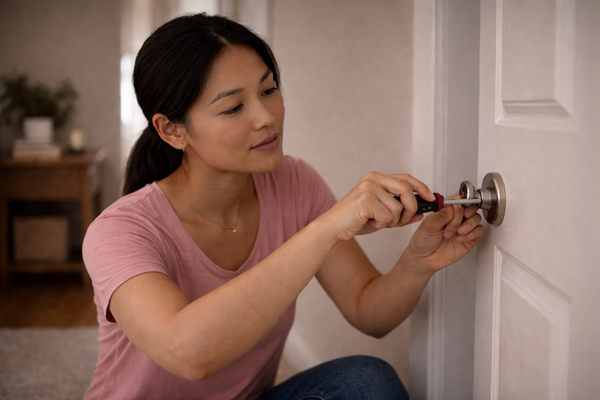
A Home Identity Reset Framework
Most people assume the problem is clutter, layout, stress, or unfinished projects. They try to clean more. Rearrange furniture. Buy storage. Plan a reset weekend. Sometimes those actions help briefly. But the underlying discomfort returns. The real issue is rarely disorder. It’s identity drift...
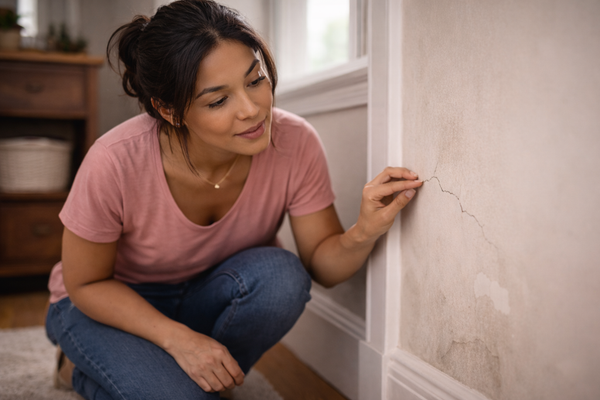
How Maintenance Pressure Changes Home Perception
Maintenance pressure changes how your home feels because unfinished tasks signal “ongoing responsibility” to your brain. When small repairs, cleaning backlogs, seasonal upkeep, or administrative home tasks pile up, your environment stops feeling like a place of recovery and starts feeling like a...

Why Home Layout Influences Mood
Home layout influences mood because your brain is constantly scanning your environment for signals of safety, clarity, and effort. The way rooms are arranged — where furniture sits, how you move through spaces, how open or crowded areas feel — affects how your nervous system responds. If movement...