
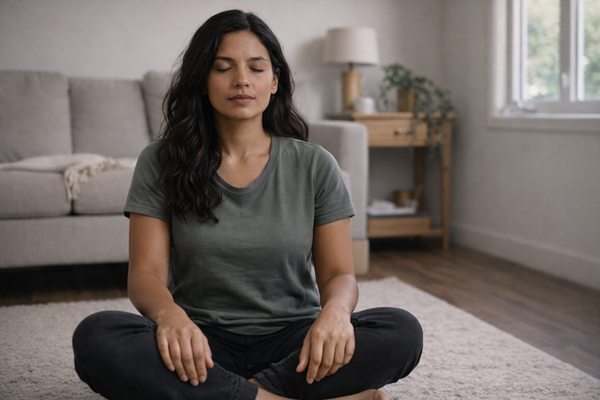
Why Relaxation Doesn’t Always Calm Body-Based Anxiety
Relaxation doesn’t always calm body-based anxiety because the nervous system doesn’t instantly trust stillness as safety. If you’ve ever tried deep breathing, meditation, or lying down to relax — only to feel more aware of your heartbeat, more tense, or even more anxious — you’re not imagining it...
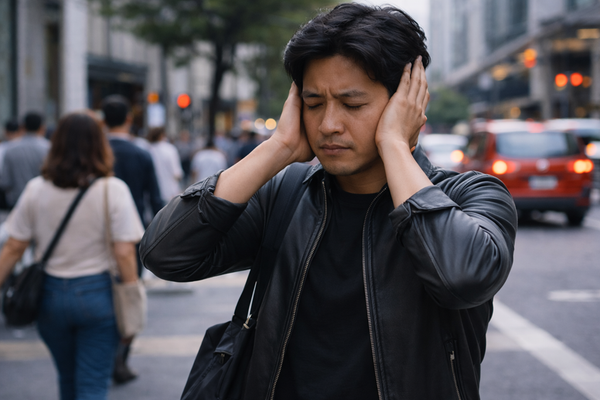
Why Emotional Regulation Isn’t About Suppression
Emotional regulation is not about suppression because suppression tries to eliminate or push down emotions, while regulation focuses on experiencing emotions without being controlled by them. In everyday terms, suppression sounds like: “I shouldn’t feel this way.” “Just ignore it.” “Stay calm no...

Why Simplifying Tasks Doesn’t Always Reduce Overwhelm
Simplifying tasks doesn’t always reduce overwhelm because overwhelm is not only about how many tasks you have—it’s about how much mental load and responsibility you are carrying. You can shorten your to-do list and still feel stretched.
This is what it often feels like: You declutter your...

Why Stress Symptoms Can Feel Random Or Unpredictable
Stress symptoms can feel random or unpredictable because the nervous system responds to accumulated load — not just obvious, dramatic events. When you’re under ongoing stress, your body operates in a slightly heightened state. Muscle tension rises. Breathing patterns shift. Stress hormones...

How Fear Of The Unknown Shapes Money Decisions
Fear of the unknown shapes money decisions by quietly pushing you toward safety, avoidance, or over-preparation — even when the numbers don’t fully justify it.
This fear usually doesn’t feel dramatic. It feels like hesitation. You might notice: Delaying an investment because “what if the market...

How To Approach Change Gradually
Approaching change gradually means adjusting your life in small, manageable shifts instead of dramatic overhauls. In plain terms: You make change feel safe enough to sustain. This often applies when you’ve tried to change before and found yourself slipping back into old patterns. You may...

Ways To Think About Aging Without Fear
You can think about aging without fear by shifting from a decline-focused mindset to a stability-focused one. In everyday terms, this means moving away from seeing aging as a steady loss — of strength, memory, relevance, or independence — and instead viewing it as a gradual transition that...