
Health
Total 856 Posts
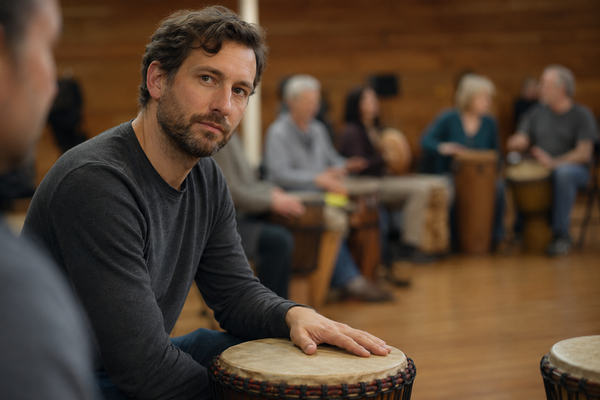
How Better Health Habits Support Long-Term Quality Of Life
Better health habits support long-term quality of life by making everyday life easier to live, not just by helping prevent problems later. For many men, the real benefit is practical: more energy for work and family, better recovery, fewer avoidable setbacks, stronger independence, and more...

How To Help A Family Stay Mentally Engaged Without Panic
A family can stay mentally engaged without panic by treating cognitive support as part of ordinary healthy living rather than as an emergency response. That shift matters more than it may seem. When families become worried about memory or aging, they often want to do something helpful right away...

How To Protect Your Mental Health While Supporting Your Partner
You protect your mental health while supporting your partner by staying caring without making their stress the emotional structure of your life too. That usually means recognizing that support has limits, that your wellbeing is part of the relationship’s health, and that love does not require...

Simple Routines That Help Protect Your Mental Health During Demanding Seasons
During demanding seasons, the routines that protect mental health are usually simple, repeatable things that reduce friction, create small pockets of recovery, and help your mind feel less constantly “on.” They are not meant to fix everything. They are meant to make a heavy season more livable...

Resetting Productivity Expectations For Long-Term Health
Resetting productivity expectations for long-term health means adjusting what you expect from yourself so your pace of life stops repeatedly costing more than your body can sustainably give. It is the process of moving away from standards built around constant output, maximum efficiency, or...

Rebuilding Emotional Presence During Stressful Seasons
Rebuilding emotional presence during stressful seasons usually starts by understanding that presence is not just something you “should” be able to produce on demand. It is something that becomes easier or harder depending on how much stress your system is carrying. In real life, this often feels...

Strategies For Regaining Professional Confidence Under Stress
Professional confidence under stress usually returns through steadier internal conditions, not through forcing yourself to “perform confidence” harder. When stress is high, it can narrow attention, increase self-monitoring, and make even familiar work feel less natural. In plain language, you may...