
Lifestyle
Total 567 Posts
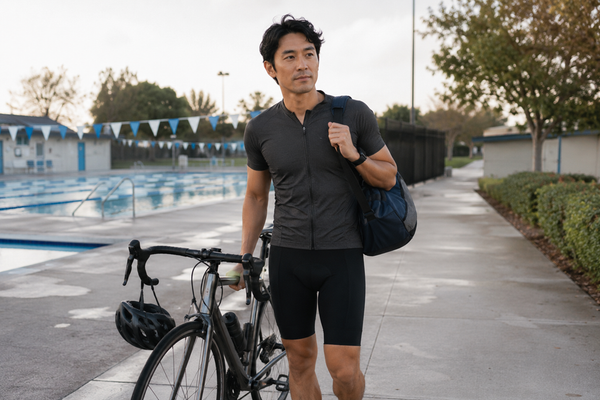
How To Balance Swimming, Cycling, And Running More Easily
Balancing swimming, cycling, and running gets easier when you stop treating all three sports as equal priorities every week. For most triathletes, the goal is not to give each discipline the exact same amount of time, energy, or attention. The goal is to create a rhythm that lets you practice all...

How To Start A Camper Van Lifestyle Without Feeling Overwhelmed
Starting a camper van lifestyle does not have to mean selling everything, buying the perfect van, and completely changing your life overnight. A calmer way to begin is to treat it as a gradual lifestyle shift: learn what kind of travel you actually enjoy, simplify what you need, test small...

10 Ways To Be Successful Without College
Higher education has always been the traditional path toward success. However, it's not the only path. There are those who choose to skip college altogether but still manage to become successful in their chosen field. If you're one of those individuals or are considering going down that route...

Why Retirement Planning Often Ignores Emotional Adjustment
Retirement planning often ignores emotional adjustment because most retirement conversations are built around money, timing, and logistics, while the emotional side of retirement is harder to measure, easier to postpone, and often less openly discussed. In plain language, many people plan for how...
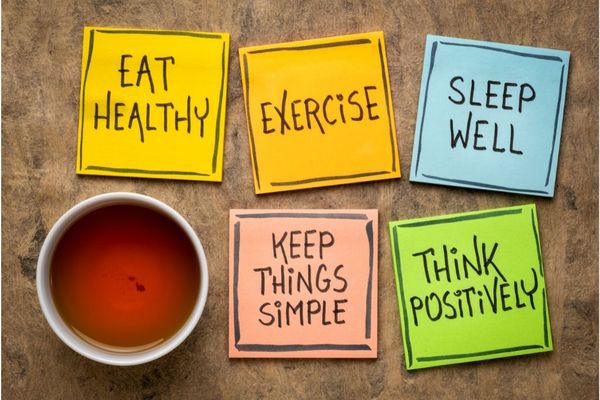
10 Powerful Lifestyle Tips To Unlock Your Potential
Unlocking your potential is a journey that requires patience, dedication, and discipline. Many of us have untapped talents and abilities that we might not even be aware of. However, incorporating certain lifestyle changes can help us unearth these talents and unlock our true potential. In this...

How Work Identity Shapes Self-Worth
Work identity shapes self-worth when a person starts measuring their value mainly through what they produce, how useful they are, how respected they seem, or how well they perform in a professional role. In plain language, this often means work stops feeling like just one part of life and starts...

How To Enjoy Anime Without Turning It Into Constant Binge-Watching
Enjoying anime without turning it into constant binge watching usually comes down to making anime feel like part of your life, not something that quietly takes over your free time. That does not mean you have to stop watching long series, avoid seasonal releases, or become overly strict with...