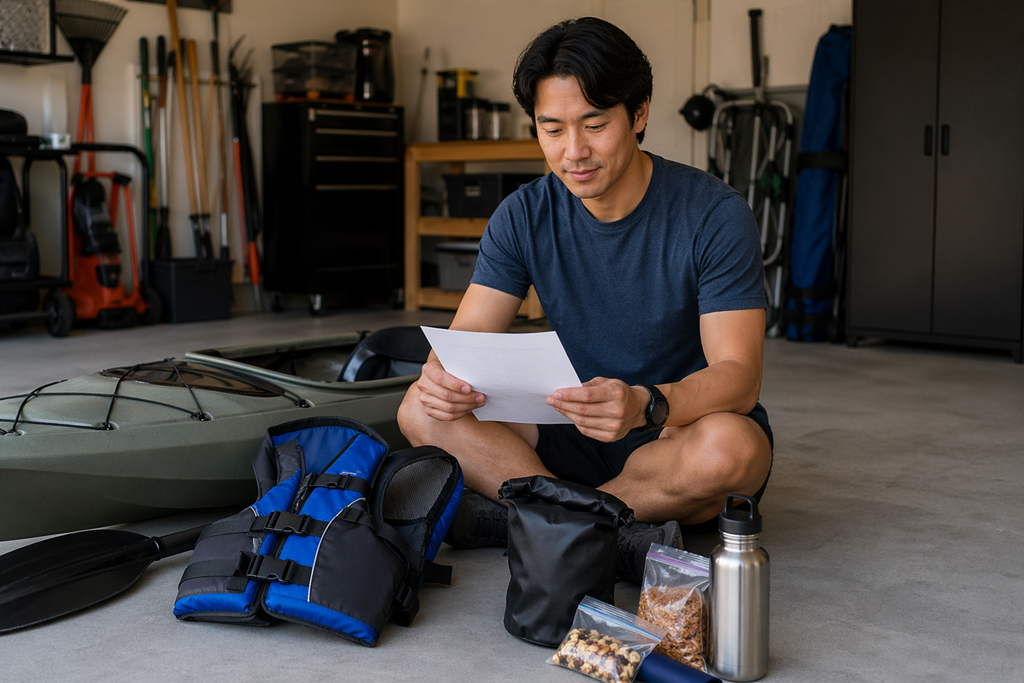
Kayaking has a way of simplifying things. Once you’re on the water, it’s just you, your paddle, and the quiet rhythm of movement. But getting to that calm place can feel surprisingly complicated—especially when you’re trying to figure out what to bring.
Many people overpack for kayaking trips, especially in the beginning. It usually comes from a good place: wanting to be prepared, safe, and comfortable. But too much gear can quickly turn into a burden. Limited space, shifting weight, and constant adjustments can take away from the experience you were hoping to enjoy.
Finding the balance between “prepared” and “overpacked” is where most people get stuck.
Why It’s So Easy to Bring Too Much
Unlike hiking or road trips, kayaking comes with built-in constraints. Your storage space is limited. Weight distribution matters. And once you’re on the water, accessing your gear isn’t always simple.
Because of that, people often default to “just in case” packing. Extra clothes, duplicate gear, backup items for everything—it adds up quickly.
The problem is that overpacking doesn’t actually make your trip feel safer or easier. In many cases, it does the opposite:
- Your kayak feels heavier and harder to control
- Items shift around or get in the way
- Important gear becomes harder to find
- You spend more time managing stuff than enjoying the water
A better approach isn’t to bring more—it’s to bring what actually matters.
The Core Categories That Keep You Prepared
Instead of thinking in terms of individual items, it helps to organize your packing around a few simple categories. This keeps things focused without feeling restrictive.
Safety Comes First, Always
No matter how short or calm your trip is, safety gear isn’t optional. At a minimum, this includes:
- A properly fitted personal flotation device (PFD)
- A whistle or signaling device
- A basic first aid kit
- A paddle leash or backup plan for your paddle
Depending on your location, you may also want to include a helmet, navigation tools, or a light.
The key here isn’t to overthink it—it’s to make sure the essentials are always covered.
Clothing That Matches the Conditions
Clothing can be one of the biggest sources of overpacking. It’s easy to throw in extra layers “just in case,” but most trips only require a small, thoughtful selection.
Focus on:
- Quick-drying clothing
- Weather-appropriate layers
- Sun protection (hat, sunglasses, lightweight cover)
- A single backup layer in case you get wet
If you’re paddling in cooler conditions, prioritize warmth and safety over variety.
Food and Hydration That Fits the Trip
You don’t need a full cooler for a basic kayaking outing. Simple, easy-to-access options tend to work best.
- Enough water for the duration of your trip
- Light snacks (fruit, energy bars, nuts)
- A small waterproof container if needed
The goal is to stay fueled without adding unnecessary bulk.
A Few Practical Extras (Not Everything You Own)
There are a handful of items that can make your trip more comfortable without tipping into overpacking:
- Dry bag for valuables
- Sunscreen and lip balm
- Phone in a waterproof case
- Small towel or cloth
- Basic navigation or map if needed
This is usually where overpacking starts. The easiest way to stay balanced is to choose intentionally instead of adding “just one more thing.”
Where Most People Lose Control of Their Packing
Even with a general idea of what to bring, it’s common to drift back into overpacking habits.
A few patterns tend to show up:
- Packing without a clear plan — grabbing items as you think of them
- Relying on memory — which leads to forgetting essentials and overcompensating
- Mixing trip types — packing for a full-day or overnight trip when you only need a short outing setup
- Adding duplicates “just in case” — which quickly fills limited space
The issue isn’t a lack of knowledge—it’s a lack of structure.
When there’s no simple system to follow, packing becomes reactive instead of intentional.
Why a Simple Checklist Changes Everything
This is where having a basic structure can make a noticeable difference.
Instead of deciding everything from scratch each time, a checklist gives you a consistent starting point. It helps you:
- Cover essential safety items without second-guessing
- Avoid unnecessary duplicates
- Stay within realistic limits for space and weight
- Pack more quickly and with less stress
You’re not relying on memory or mood—you’re following a simple, repeatable process.
Over time, this makes your trips feel more predictable in a good way. You know what you have, where it is, and why you brought it.
Packing for the Trip You’re Actually Taking
One of the most helpful shifts is learning to match your packing to the specific trip in front of you.
A short, calm lake paddle doesn’t need the same setup as a longer river outing. But many people pack as if every trip could turn into something more demanding.
Instead, try asking a few grounded questions:
- How long will I realistically be out?
- What are the weather and water conditions?
- How easy is it to return or get help if needed?
This kind of awareness naturally trims down your packing list without sacrificing safety.
You’re not underpacking—you’re packing appropriately.
Keeping Your Gear Simple and Easy to Manage
Even the right items can feel overwhelming if they’re not organized well.
A few small habits can help:
- Group items by category (safety, clothing, food, extras)
- Use one or two dry bags instead of many small containers
- Keep frequently used items easy to access
- Avoid loose items that can shift or get lost
The goal is to reduce friction once you’re on the water.
When everything has a place, you spend less time adjusting and more time enjoying the experience.
A Simple Way to Stay Consistent Without Overthinking It
Most people don’t struggle because kayaking is complicated. They struggle because preparation feels scattered.
Each trip becomes a new decision-making process, which leads to inconsistency—sometimes overpacking, sometimes forgetting something important.
Having a simple, repeatable system removes that pressure.
If it would help to have a clear, easy way to organize what you bring each time, the Basic Kayaking Checklist offers a simple structure you can follow so nothing important gets missed while keeping your packing practical and manageable.
Let Preparation Support the Experience, Not Complicate It
Kayaking doesn’t require a lot to be enjoyable. In fact, it’s often better when things are simple.
The more intentional your packing becomes, the less you have to think about it. You spend less time managing gear and more time noticing your surroundings, settling into the rhythm of paddling, and enjoying the experience you came for.
Preparation isn’t about bringing everything—it’s about bringing what supports the moment.
Download Our Free E-book!