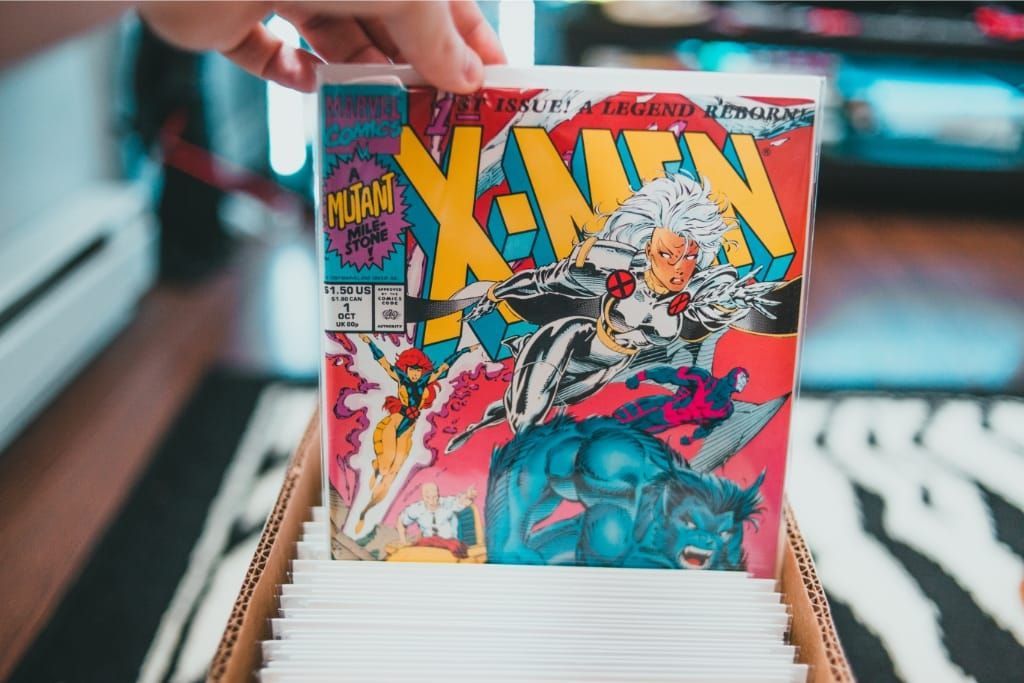
A comic book collection is more than paper and ink. It’s time, memory, discovery, and identity wrapped in thin covers. Whether the collection fits in one short box or fills an entire room, organization is what turns a pile of comics into something you can enjoy, protect, and grow with confidence.
Organizing comics “like a pro” doesn’t mean spending the most money or following rigid rules. It means creating a system that protects your books, helps you find what you want, and still feels realistic for how you collect. Professionals focus on consistency, preservation, and ease—not perfection.
What follows is a practical, experience-driven system collectors rely on year after year. Each step builds on the last, so you can stop wherever it fits your needs and still end up with a collection that feels intentional and cared for.
1)) Start With One Clear Organization System
The biggest mistake collectors make is mixing systems. A few comics organized by character, others by publisher, some by release date—it feels logical in the moment, but it becomes chaos over time.
Professional collectors choose one primary system and apply it consistently.
The most reliable options:
- Alphabetical by series title
- Publisher → Series → Issue number
- Character-based (best for focused collections)
- Chronological by release date (less common, harder to maintain)
For most collectors, publisher → series → issue number offers the best balance of clarity and scalability. It works whether you collect ten issues or ten thousand.
Once the system is chosen, resist the urge to reorganize every time a new idea pops up. Stability is what makes a system feel professional.
2)) Use Proper Bags and Boards
No organization system works if the comics aren’t protected.
Professionals don’t bag comics because it looks nice—they do it because paper degrades, humidity warps pages, and handling causes wear over time.
What works best:
- Acid-free comic bags (polypropylene or Mylar)
- Acid-free backing boards
- Comics stored upright, never stacked
Polypropylene bags are affordable and perfectly fine for most collections. Mylar is ideal for key issues or long-term preservation, but not required for every book.
Replace bags and boards every 5–10 years, sooner if you notice yellowing or brittleness. This simple habit prevents long-term damage and protects value without needing advanced conservation knowledge.
3)) Choose Storage Boxes That Match How You Actually Use Your Collection
Storage isn’t about aesthetics—it’s about access and safety.
Short boxes are easier to lift, easier to browse, and better for most collectors. Long boxes hold more, but they get heavy fast and discourage regular organization.
Whatever you choose:
- Keep comic book storage box sizes consistent
- Use sturdy, comic-specific boxes
- Avoid overfilling
A professional collection is one you can comfortably open, flip through, and reorganize without strain. If boxes are too heavy to move, they’ll eventually be neglected.
4)) Label Everything Clearly
Professionals assume they won’t remember everything later—and they’re right.
Each box should be clearly labeled with:
- Publisher
- Series name
- Issue range
Labels don’t need to be fancy. Index cards, printed labels, or handwritten tags all work as long as they’re readable and consistent.
Clear labeling turns organization into a system instead of a guessing game. It also makes adding new comics simple rather than disruptive.
Pro-Tip: A portable label maker is one of the simplest upgrades that instantly makes your collection feel more professional. When everything is labeled clearly—boxes, dividers, issue ranges—you spend less time searching and handle your comics less, which helps preserve condition. Clean, consistent labels also make your system easier to maintain as your collection grows, so organization doesn’t slowly fall apart over time. It’s a small investment that supports the habit behind this step: labeling everything once, and doing it right.
5)) Use Dividers to Create Natural Breaks
Dividers are one of the most underrated tools in comic organization.
They:
- Separate series within boxes
- Make browsing faster
- Reduce unnecessary handling
- Prevent spine stress from shifting stacks
You can use plastic dividers, cardboard dividers, or even trimmed backing boards. What matters is that the series starts and ends cleanly.
Collectors who skip dividers often touch more comics than necessary while searching—and every extra movement adds wear.
6)) Separate Reading Copies From Preservation Copies
Professionals rarely read their best copies.
If you actively read comics, create a reading stack or reading box separate from long-term storage. This prevents repeated handling of preserved books and keeps your main collection stable.
Reader copies can be:
- Less pristine issues
- Digital versions
- Duplicates
This small separation dramatically improves preservation without reducing enjoyment.
7)) Create a Simple Catalog
At some point, memory stops working.
A catalog turns a collection into something manageable, searchable, and secure. It doesn’t need to be complicated to be effective.
Track at least:
- Series title
- Issue number
- Condition (rough estimate)
- Storage location (box number)
This can be done with:
- A spreadsheet
- A notebook
- A comic inventory app
Cataloging helps when buying duplicates, tracking missing issues, estimating value, or preparing for insurance. It’s one of the clearest signs of a professionally managed collection.
8)) Store High-Value or Key Issues Separately
Not all comics need the same level of protection.
Key issues—first appearances, rare variants, signed copies—benefit from additional care.
Professional practices include:
- Separate boxes for key issues
- Mylar bags with fullback boards
- Top loaders or slabs for high-value books
- Minimal handling
Separating these books doesn’t make a collection elitist. It reduces risk and gives peace of mind.
9)) Control the Storage Environment
The environment matters more than people realize.
Comics last longest in:
- Cool temperatures
- Low humidity
- Dark spaces
Avoid:
- Attics
- Garages
- Basements without climate control
- Areas near windows or heaters
A closet inside the living space of a home is often better than a large storage area with temperature swings. Stability protects paper far better than size.
10)) Maintain the System Instead of Rebuilding It
Professional organization is about maintenance, not constant overhaul.
Every few months:
- Straighten boxes
- Check for moisture
- Update labels if needed
- Add new comics to the catalog
Once a year:
- Review bags and boards
- Reassess overflow
- Adjust box spacing
A system that’s lightly maintained stays organized indefinitely. One that’s ignored eventually collapses—no matter how good it looked at the start.
Why Professional Organization Feels Different
A professionally organized collection:
- It is easy to browse
- Reduces stress
- Protects emotional and financial value
- Grows without becoming overwhelming
It doesn’t require expensive upgrades or strict rules. It requires consistency, respect for the books, and a system designed for real life.
When people ask how to organize their comic book collection, what they’re often really asking is how to enjoy collecting without anxiety. The answer isn’t complexity—it’s clarity.
And once a system is in place, collecting becomes what it was always meant to be: fun, personal, and sustainable.
Conclusion
Every collector starts somewhere. Professionals aren’t defined by how rare their comics are—they’re defined by how well they care for what they have.
If you’ve been unsure how to organize your comic book collection in a way that feels reliable and realistic, the steps above offer a foundation you can trust. Start small. Build consistency. Let the system work for you, not the other way around.
A well-organized collection isn’t about impressing others. It’s about honoring the stories you’ve chosen to keep.
Download Our Free E-book!