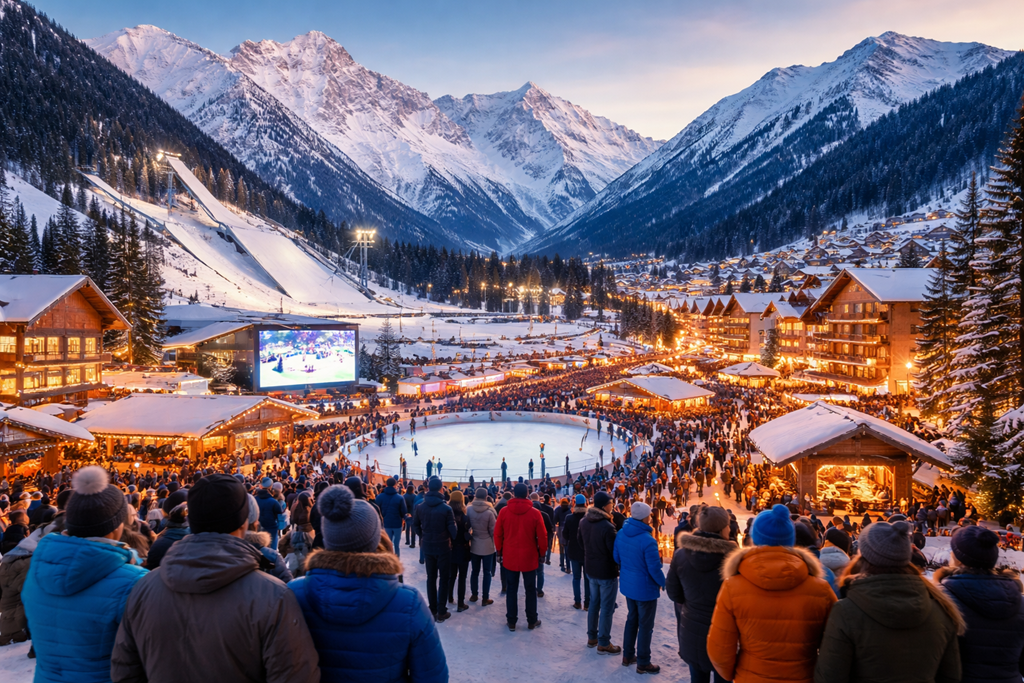
Attending an upcoming Winter Olympic Games is a rare opportunity. It’s not just a sporting event—it’s a global gathering where culture, competition, winter landscapes, and once-in-a-generation energy collide. The host city becomes the stage for everything that happens outside the venues: the memories, the atmosphere, the moments you’ll talk about long after the closing ceremony.
Choosing how to experience a Winter Olympic host city is just as important as choosing which events to attend. Where you stay, how you move around, when you explore, and which experiences you prioritize all shape whether the trip feels seamless and unforgettable—or rushed and overwhelming.
These 13 tips are designed specifically for spectators attending an upcoming Winter Olympic Games. They focus on helping you choose the best host city experiences while the Games are happening, with clarity, confidence, and intention.
1)) Decide What “Best Experience” Means to You Before You Book Anything
Before comparing neighborhoods, tickets, or transportation options, we need to define success. “Best” looks different depending on what you want to feel during the Games.
Ask yourself:
- Do we want to be surrounded by nonstop Olympic energy?
- Do we prefer quieter evenings after busy competition days?
- Are we more excited by cultural events or by sports volume?
- Do we want flexibility or structure?
Some spectators want to attend multiple events daily and stay close to venues. Others want one or two marquee events and more time to explore the city. Clarifying this early prevents overbooking and helps every other decision fall into place.
2)) Choose Your Base Location Based on Daily Energy, Not Just Distance
Staying close to venues sounds ideal, but it isn’t always the best choice. During the Games, areas closest to competition sites often experience heavier crowds, higher prices, and limited dining options outside event hours.
Consider:
- How long you realistically want to commute each day
- Whether public transit runs late after evening events
- If you want quieter mornings or lively streets at night
A slightly farther neighborhood with excellent transportation can offer better rest, more local dining, and a calmer atmosphere—often improving the overall experience.
3)) Prioritize Access to Olympic Fan Zones and Public Celebration Areas
Some of the most memorable Olympic moments happen outside ticketed venues. Fan zones, live viewing areas, medal plazas, and cultural hubs bring together spectators from around the world.
When choosing experiences, look for:
- Daily fan celebrations
- Live broadcasts of events
- Cultural performances
- Interactive sponsor or sport exhibits
These areas allow you to feel immersed in the Games even on non-event days or between competitions. They’re also ideal if you’re traveling with people who don’t attend every event.
4)) Balance Ticketed Events With Free Olympic Experiences
It’s tempting to fill every day with competition tickets, but that approach often leads to exhaustion. The most rewarding Olympic trips blend structured events with spontaneous exploration.
Strong experience planning includes:
- One or two major events per day at most
- Time for fan zones or cultural districts
- Unscheduled blocks for rest or discovery
- Flexibility for weather or transit changes
Free Olympic experiences often deliver the same emotional impact as ticketed events—sometimes more—because they’re shared, social, and unexpected.
5)) Choose Transportation Options That Reduce Stress, Not Just Cost
During the Games, transportation is a central part of the experience. Long waits, confusing routes, or missed connections can quickly drain excitement.
When choosing how to experience the city:
- Learn the Olympic transit system early
- Understand which routes serve venues directly
- Identify backup options for peak times
- Avoid overly complex transfers when possible
Spectators who prioritize reliable transportation consistently report higher satisfaction than those focused solely on saving money.
6)) Plan for Winter Weather Without Letting It Control Your Trip
Winter conditions affect everything—walking distances, transit timing, energy levels, and comfort. The best experiences come from preparation, not perfection.
Choose experiences that:
- Offer indoor alternatives
- Allow flexibility in timing
- Don’t require constant outdoor exposure
- Include warm-up breaks throughout the day
Planning for weather doesn’t mean limiting yourself. It means giving yourself options so cold never becomes the defining memory.
7)) Build in Cultural Experiences That Reflect the Host Country
The Winter Olympics are as much about place as they are about sport. Host cities showcase their culture intentionally during the Games.
Look for:
- Local food markets or pop-up dining areas
- Traditional music, art, or dance events
- Cultural exhibitions tied to winter heritage
- Neighborhoods highlighted by local organizers
Choosing experiences that reflect the host culture deepens the trip and provides balance to competition-heavy days.
8)) Avoid Overcrowded Peak Times When Possible
Certain times during the Games attract extreme congestion—often first competition days, weekends, and medal ceremonies. While some crowds are unavoidable, smart timing improves comfort.
Tips include:
- Attending early morning sessions
- Exploring fan zones during off-peak hours
- Visiting cultural sites on competition-heavy days
- Saving rest days for high-traffic periods
The goal isn’t to avoid crowds entirely—it’s to manage them intentionally.
9)) Choose Dining Experiences That Support Your Daily Schedule
Food planning becomes surprisingly important during the Games. Long lines, limited seating, and packed schedules can turn meals into stress points.
Strong strategies include:
- Identifying reliable quick-service spots
- Booking at least one sit-down meal in advance
- Eating main meals earlier than usual
- Keeping snacks on hand during long days
Choosing dining experiences that fit your rhythm keeps energy high and frustration low.
10)) Plan One “Anchor Experience” Outside the Sports
Every Olympic trip benefits from a non-sport anchor—something that grounds the experience beyond competition schedules.
This could be:
- A scenic viewpoint
- A traditional cultural performance
- A winter activity unique to the region
- A guided city or nature tour
This anchor experience often becomes the emotional highlight of the trip, especially if weather or schedules change unexpectedly.
11)) Be Selective With Souvenirs and Memory-Making Moments
It’s easy to get caught up in merchandise, but meaningful memories usually come from experiences, not purchases.
Choose:
- Photos in iconic but less crowded locations
- Conversations with fellow spectators
- Shared moments in fan zones
- Quiet reflections after big events
Being intentional about memory-making helps the trip feel personal rather than transactional.
12)) Protect Rest and Recovery Time
The Games are physically demanding—even as a spectator. Cold weather, walking distances, standing time, and emotional highs add up quickly.
Choose experiences that:
- Allow late starts after evening events
- Include indoor breaks
- Limit consecutive high-energy days
- Respect your group’s stamina
Rest isn’t lost time—it’s what allows you to enjoy everything else fully.
13)) Leave Space for the Unexpected
Some of the best Olympic experiences can’t be planned. A street celebration, a spontaneous performance, a shared cheer with strangers—these moments define the Games.
When choosing how to experience the host city:
- Avoid over-scheduling
- Say yes to small surprises
- Follow the energy of the day
- Trust that not everything needs a plan
The magic of the Winter Olympics lives in these unscripted moments.
Pro-Tip: When choosing the best way to experience a Winter Olympic host city, mobility matters. A well-designed carry-on suitcase makes navigating crowded transit stations, security checkpoints, and venue shuttles faster and far less stressful. Compact carry-on luggage lets you move easily through busy Olympic zones, keeps essentials within reach during long event days, and helps you avoid baggage delays that can disrupt carefully planned experiences. Investing in a durable, lightweight carry-on also gives you flexibility to explore different neighborhoods, fan zones, and cultural areas without being weighed down—supporting a smoother, more enjoyable Olympic trip overall.
Conclusion
The best Winter Olympic host city experiences don’t come from doing everything. They come from choosing wisely—matching your energy, interests, and comfort with the rhythm of the Games.
By balancing competition with culture, structure with spontaneity, and excitement with rest, spectators can experience the host city in a way that feels immersive rather than overwhelming.
When chosen well, the host city becomes more than a backdrop. It becomes part of the story you’ll carry long after the flame is extinguished.
Download Our Free E-book!