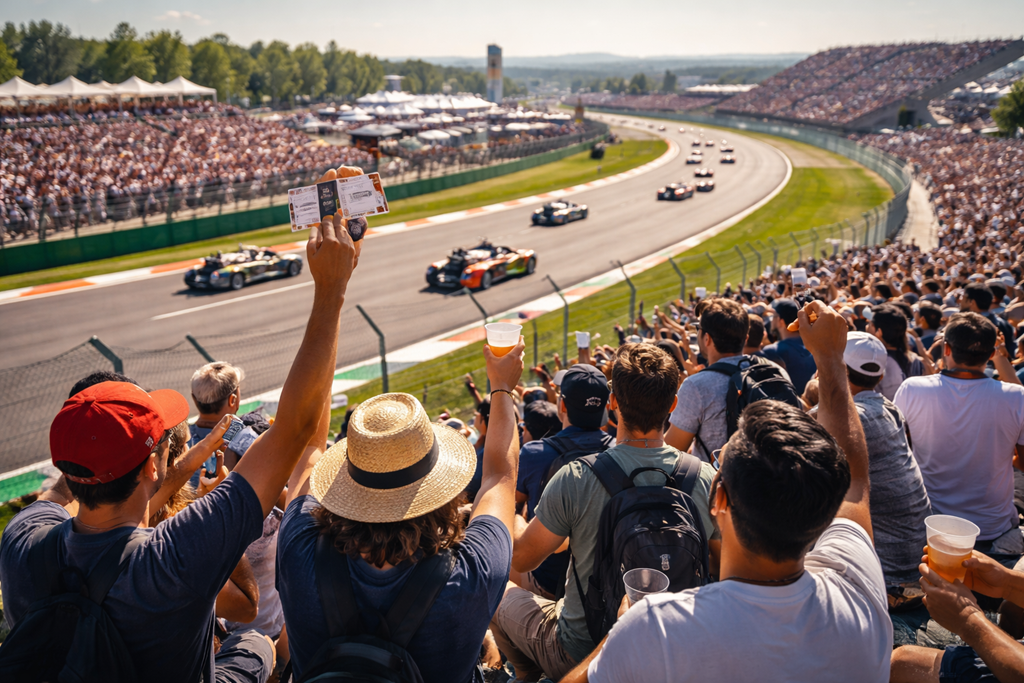
Few sporting experiences match the energy, sound, and spectacle of Formula 1. The cars are faster than anything else on four wheels, the atmosphere is electric, and the global fan culture is unlike any other. Yet for many fans, the assumption is that attending a race automatically means draining your savings.
That assumption is wrong.
Attending a Formula 1 race does not have to be a luxury-only experience. With the right planning, smart trade-offs, and a clear understanding of what truly enhances the weekend, it is possible to enjoy the race, the city, and the atmosphere without overspending on things that add little real value. The goal is not to be cheap—it is to be intentional. Spend where it matters, avoid rookie mistakes, and walk away with memories instead of regret.
Below are fifteen insider-tested tips designed for fans who want the real F1 experience without paying premium prices for avoidable extras.
1)) Choose the Right Race Before Anything Else
The single biggest cost difference in attending a Formula 1 race often comes down to which race you choose. Ticket prices, accommodation costs, food, and transportation can vary dramatically from one Grand Prix to another.
Some races consistently offer better value due to lower local costs, strong public transport, or more affordable ticket tiers. Others command premium pricing simply because of location, demand, or brand prestige.
Smart fans compare:
- Average ticket prices
- Hotel costs during race weekend
- Ease of public transportation
- Local cost of food and daily expenses
Choosing a race known for value can save hundreds—or even thousands—before you book anything else.
2)) General Admission Tickets Are Underrated
Many first-time fans assume that grandstand seating is mandatory to enjoy the race. In reality, General Admission (GA) tickets often deliver the best balance of price and experience.
GA tickets typically cost significantly less while still offering:
- Multiple viewing areas
- Freedom to explore the circuit
- A lively, social atmosphere
The key is preparation. Arrive early, scout viewing spots during practice days, and commit to one or two locations on race day. Fans who understand the circuit layout often prefer GA because of the flexibility and immersion it offers.
3)) Consider Friday or Saturday Instead of Race Day
If your goal is to experience Formula 1 live without paying peak prices, practice and qualifying days are often overlooked opportunities.
Friday and Saturday tickets usually cost far less than Sunday, yet still deliver:
- On-track action
- Access to the circuit environment
- Fan zones and team displays
- A more relaxed atmosphere
For budget-conscious fans—or those attending their first race—Saturday qualifying can be the sweet spot. The intensity is real, the stakes are high, and the price is easier to justify.
4)) Buy Tickets Early—or Be Strategically Patient
Timing matters. Many races release tickets in phases, with early allocations priced more competitively.
Buying early gives you:
- Access to cheaper ticket tiers
- Better accommodation options
- More time to plan transport
That said, some races offer last-minute discounts if certain sections do not sell out. This strategy works best for flexible travelers who live nearby or can book travel on short notice.
The mistake is waiting without a plan. Either commit early or monitor official sellers carefully—never rely on inflated resale prices unless necessary.
5)) Avoid Resale Platforms Whenever Possible
Resale tickets often look tempting when official options appear sold out, but they usually come with:
- Higher prices
- Additional fees
- Risk of invalid or restricted tickets
Whenever possible, purchase directly from:
- The official Formula 1 ticket site
- The circuit’s official website
- Authorized ticket partners
Paying a little more for certainty is still cheaper than losing money altogether.
6)) Stay Outside the City Center
Hotels near race circuits and city centers increase prices dramatically during race weekend. Staying just outside the main hub can reduce accommodation costs significantly.
Look for:
- Nearby towns with train or shuttle access
- Budget hotels along public transport lines
- Short-term rentals are booked months in advance
A longer commute is often a worthwhile trade-off when it saves hundreds per night. Reliable public transport usually makes this choice stress-free.
7)) Split Costs by Traveling With Others
Formula 1 weekends become far more affordable when shared.
Traveling with friends or family allows you to:
- Split accommodation costs
- Share transportation expenses
- Buy groceries instead of eating out for every meal
Even a group of two or three can dramatically reduce per-person spending. The experience also becomes more social and memorable.
Pro Tip: When you’re splitting costs by traveling with others, investing in quality carry-on luggage becomes a smart money move. Carry-ons eliminate checked bag fees, speed up airport transfers, and make shared transportation easier—especially when coordinating taxis, trains, or shuttles as a group. Less luggage means fewer delays, smoother logistics, and more flexibility to adjust plans without added costs. Over time, a reliable carry-on pays for itself while keeping group travel stress-free and budget-friendly.
8)) Use Public Transportation, Not Ride-Sharing
Most F1 circuits are well-prepared for large crowds, with dedicated transport options designed for the race weekend. Shuttles, trains, and buses are usually faster, cheaper, and more reliable than ride-sharing services.
Ride-sharing often comes with:
- Surge pricing
- Long wait times
- Traffic delays near circuits
Public transport may not feel glamorous, but it is one of the smartest ways to control costs and reduce stress.
9)) Bring What the Circuit Allows
One of the easiest ways to overspend at a race is by buying necessities at inflated prices. Most circuits allow small bags and certain personal items.
Before race weekend, check the circuit’s rules and bring:
- Sunscreen
- Refillable water bottle
- Ear protection
- Portable phone charger
- Weather-appropriate clothing
Buying these items at the track can cost several times more than planning.
10)) Treat Track Food as a Backup, Not a Plan
Food inside circuits is convenient, but rarely good value. Prices are high, lines are long, and options can be limited.
Smart fans:
- Eat a solid meal before arriving
- Bring snacks if allowed
- Use track food selectively, not constantly
This approach saves money and keeps your energy steady throughout long days at the circuit.
11)) Skip Merchandise—or Buy It Before the Race
Official Formula 1 merchandise is expensive everywhere, but prices at the circuit are often the highest you will see all year.
If merchandise matters to you:
- Buy online before race weekend
- Look for off-season or prior-year designs
- Set a firm spending limit
Many experienced fans skip merch entirely and focus on photos, memories, and the atmosphere instead.
12)) Understand What Is Not Worth the Upgrade
First-time attendees are often tempted by upgrades that sound essential but deliver limited return.
Examples include:
- Hospitality packages if you care primarily about racing
- Premium seating with poor sightlines
- VIP access that limits your time near the track
Ask a simple question before upgrading: Does this improve my actual race experience, or just my comfort level? Often, comfort can be managed more cheaply.
13)) Learn the Circuit Layout Before Race Day
Understanding the circuit saves both money and frustration. Knowing where entrances, exits, and viewing areas are located helps you:
- Avoid unnecessary walking
- Choose better GA viewing spots
- Reduce impulse purchases due to fatigue
Study maps, fan forums, and past attendee tips. Preparation turns a chaotic day into a smooth experience.
14)) Plan Your Daily Budget Before You Arrive
Overspending often happens when fans do not set boundaries.
Decide in advance:
- How much will you spend per day
- What is non-negotiable
- What are you willing to skip
A simple daily budget keeps decisions easy and prevents regret at the end of the weekend.
Pro Tip: Planning your daily budget before you arrive is far easier when everything is mapped out in one place. A printable PDF Daily Travel Itinerary helps you organize schedules, transportation, meals, and planned expenses by day, making it easier to track spending and avoid impulse costs. When you can see how each day flows—and what it costs—you stay in control of your budget without feeling restricted, ensuring your trip stays enjoyable and stress-free.
15)) Remember What Actually Makes the Experience Special
The most important tip is also the simplest.
Formula 1 is about:
- The sound of the cars
- The shared excitement with other fans
- The intensity of qualifying and race day
- Being part of a global sport, live
Expensive seats, luxury hotels, and exclusive lounges do not create those moments. Presence does.
Attending a Formula 1 race is memorable because of the energy, not the expense.
Conclusion
For many fans, attending a Formula 1 race feels intimidating because costs seem unpredictable. In reality, most overspending comes from assumptions, not necessities.
With smart planning:
- Tickets can be reasonable
- Accommodation can be controlled
- Food and transport costs can be minimized
- The experience remains world-class
Whether it is your first race or your fifth, the principles remain the same. Be intentional. Be informed. Spend where it adds value.
Attending a Formula 1 race should feel exciting, not stressful. When you approach it as a smart fan—not a broke tourist—you get the best of both worlds: the thrill of Formula 1 and the satisfaction of knowing you made the experience your own.
Download Our Free E-book!