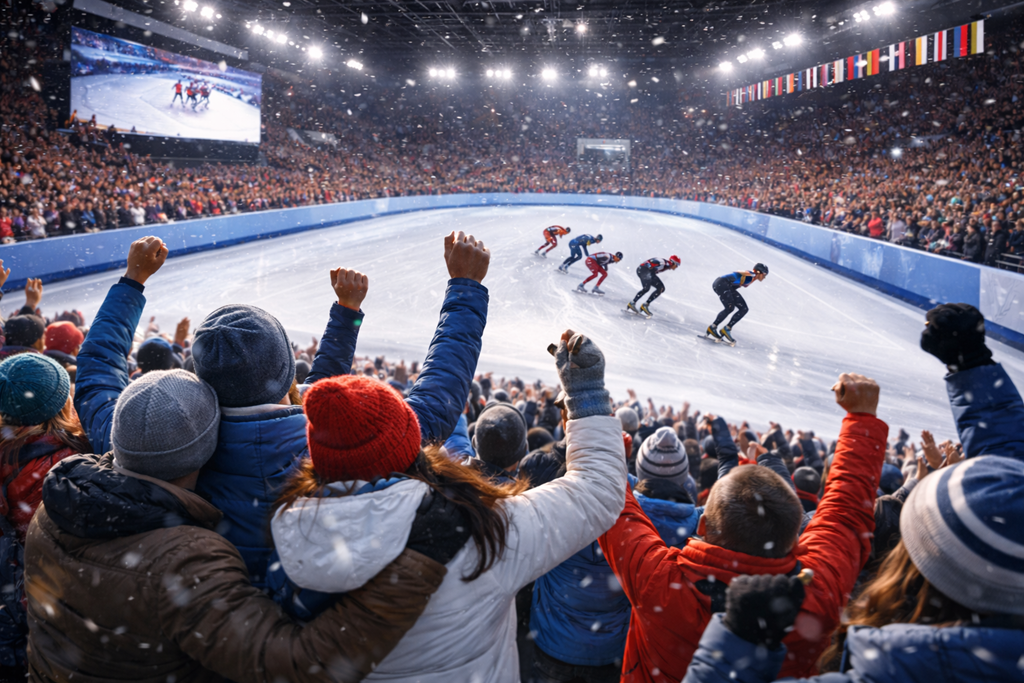
There are trips you enjoy, trips you remember, and trips that quietly become part of who you are. Attending the Winter Olympic Games belongs firmly in the third category. It’s not just about watching elite athletes compete on snow and ice. It’s about standing in the cold with strangers from every corner of the world, cheering together, sharing stories, and realizing you’re witnessing something rare.
When you plan the experience with intention, the Winter Olympic Games stop being a crowded sporting event and become a deeply personal, once-in-a-lifetime moment. These tips are designed to help you go beyond logistics and schedules—to help you feel the Games, not just attend them.
1)) Treat the Games as a Life Experience, Not a Sports Trip
Before you book a ticket or reserve a hotel, decide what this trip means to you.
If you approach the Winter Olympic Games like a standard sporting event, you’ll focus only on seat locations and event times. If you treat it as a life experience, your priorities shift. Atmosphere matters. Cultural moments matter. The feeling of being there matters.
When you frame the trip this way, your decisions become clearer. You stop asking, “How many events can we fit in?” and start asking, “What moments will we remember ten years from now?”
That mindset alone changes everything.
2)) Choose Events That Match the Experience You Want
Not all Olympic events deliver the same kind of energy. Some are electric and loud. Others are quiet, intense, and emotional.
If you crave drama and spectacle, events like figure skating finals, hockey matchups, and freestyle skiing tend to create unforgettable atmospheres. If you want something more intimate and immersive, sports like curling, biathlon, or Nordic combined allow you to feel closer to the athletes and the action.
The key is balance. Choose one or two “must-see” marquee events, then surround them with smaller competitions that let you slow down and truly absorb the Games.
3)) Plan Fewer Events Per Day Than You Think You Should
It’s tempting to pack your schedule. The Games feel fleeting, and the fear of missing out is real. But overloading your days is one of the fastest ways to turn a dream trip into an exhausting blur.
Travel between venues takes time. Weather changes plans. Lines form. Your body gets tired in the cold.
When you plan one major event per day—or two lighter ones—you create space for spontaneity. You notice moments you didn’t plan for. You enjoy conversations. You actually remember what you saw instead of racing to the next venue.
4)) Build Buffer Days Into Your Itinerary
Outdoor winter sports are at the mercy of the weather. Snowstorms, wind, and visibility issues can shift schedules with little notice.
Arriving a day early and staying a day late gives you flexibility. It reduces stress. It also opens the door to unexpected experiences—like attending a rescheduled event you never planned to see or exploring a nearby town while others scramble to adjust plans.
Buffer days are not wasted days. They are freedom.
Pro Tip: When you build buffer days into your Winter Olympic Games trip, a printable PDF Daily Travel Itinerary becomes your secret weapon. It helps you map out event days, rest days, and flexible time blocks in one clear view—so weather delays, schedule changes, or unexpected opportunities don’t derail your plans. Instead of scrambling, you can adjust on the fly while still keeping your trip organized, balanced, and stress-free. A well-planned itinerary turns buffer days into opportunities, not space, helping you enjoy more moments without feeling rushed.
5)) Stay Where the Energy Is, Not Just Where It’s Cheapest
Accommodation decisions shape your entire experience. Staying far from venues may save money, but it often costs you time, energy, and atmosphere.
Areas near fan zones, transit hubs, or Olympic villages tend to buzz with excitement day and night. You’ll overhear stories, meet fellow fans, and feel connected even when you’re not inside a stadium.
That sense of shared energy is part of what makes the Winter Olympic Games unforgettable.
6)) Dress for Endurance, Not Just Warmth
Cold weather is expected. What surprises many first-time spectators is how long they’ll be standing or sitting still.
Layering is essential. Moisture-wicking base layers, insulating mid-layers, and windproof outerwear make a bigger difference than bulky coats. Comfortable, insulated footwear with traction matters more than style.
When you’re warm and dry, you stay present. When you’re uncomfortable, even historic moments feel long.
7)) Embrace Public Transportation and Shuttle Systems
Driving during the Winter Olympic Games is rarely worth the stress. Roads are crowded, parking is limited, and conditions can change quickly.
Public transportation and official shuttle systems are designed to move large crowds efficiently. They also place you in the middle of the Olympic atmosphere. Conversations spark easily. Shared excitement builds naturally.
Sometimes the most memorable moments happen on the ride, not at the venue.
8)) Spend Time in Fan Zones and Public Viewing Areas
Some of the most powerful Olympic experiences don’t require a ticket.
Fan zones bring together live broadcasts, entertainment, food, cultural showcases, and people from around the world. The energy can rival that of official venues—sometimes even surpass it.
Watching a medal event on a giant screen surrounded by thousands of cheering fans creates a sense of unity that perfectly captures the Olympic spirit.
9)) Go Beyond the Venues and Explore the Host Region
The Winter Olympic Games are hosted in places chosen for their landscapes, culture, and winter traditions.
Take time to explore the surrounding region. Try local food. Visit small towns. Learn about the area’s history and customs. These experiences give context to what you’re watching and deepen your connection to the host location.
When you tie the Games to a sense of place, the memories become richer and more personal.
10)) Capture the Experience, But Don’t Live Through Your Phone
Photos and videos matter. They help you relive the experience and share it with others. But constant recording can pull you out of the moment.
Be intentional. Capture wide shots, crowd reactions, and small details that tell a story. Then put the phone away and feel the moment unfold.
Some memories are meant to be carried, not stored.
11)) Collect Stories, Not Just Souvenirs
Official merchandise is fun, but the most meaningful souvenirs often come from human connections.
Talk to fellow fans. Ask where they’re from. Share why you came. Exchange pins, stories, or simple smiles.
Years later, you may not remember exactly where you bought a scarf. You will remember the stranger who cheered beside you and felt like a friend by the end of the event.
12)) Attend at Least One Medal Ceremony
Medal ceremonies distill everything the Games represent—dedication, sacrifice, pride, and emotion.
Even if it’s not your favorite sport or athlete, witnessing a medal ceremony in person is powerful. The silence before the anthem. The emotion on the podium. The collective respect in the crowd.
These moments stay with you long after the Games end.
13)) Balance High-Energy Days With Slow Moments
Not every day needs to be packed with excitement.
Plan moments to rest, reflect, and absorb. A quiet coffee overlooking snow-covered mountains. A slow walk through a local market. An evening reviewing photos and notes from the day.
These pauses allow the experience to settle in and transform from a trip into a memory.
14)) Accept That You Can’t See Everything—and That’s Okay
The Winter Olympic Games are vast. Multiple venues. Dozens of sports. Endless moments happening at once.
You will miss events. You will hear about incredible moments you weren’t there to witness. That’s part of the experience, not a failure.
Focus on being fully present where you are. Depth creates meaning more than coverage ever could.
15)) Let the Experience Change You
A once-in-a-lifetime experience doesn’t end when you leave. It reshapes how you see the world.
You return home with a deeper appreciation for global connection, perseverance, and shared humanity. You carry stories that inspire conversations. You hold memories that resurface unexpectedly and bring quiet joy.
When you allow the Winter Olympic Games to be more than a checklist—when you let it be felt, not rushed—it becomes something you’ll return to again and again, even years later.
Conclusion
The Winter Olympic Games are not just about sport. They are about people, place, and presence. With thoughtful planning, realistic pacing, and an open heart, you don’t just attend the Games—you live them.
And that is what turns a remarkable trip into a once-in-a-lifetime experience.
Download Our Free E-book!