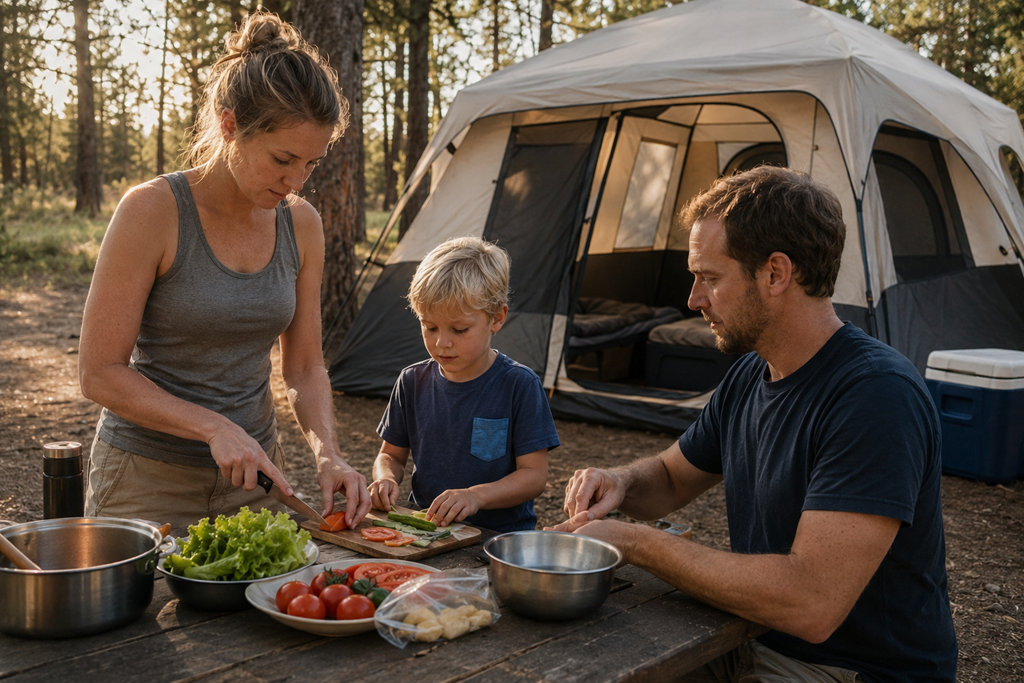
A more meaningful camping experience usually comes from slowing down enough to notice where you are, who you are with, and what the trip is actually giving you. It is not only about having the perfect campsite, the best gear, or a packed schedule of outdoor activities. Meaning often comes from simpler moments: cooking outside, watching the light change, sitting quietly by the fire, hearing the trees move, or having an unhurried conversation without the usual distractions.
Many people go camping hoping to feel refreshed, connected, or reset, but the trip can easily become another thing to manage. There is packing, driving, setting up, cooking, cleaning, checking the weather, keeping everyone comfortable, and trying to make the experience feel “worth it.” When that happens, camping can start to feel less like a break and more like a temporary relocation of everyday stress.
Creating a more meaningful outdoor experience does not require turning every camping trip into a deep retreat. It simply means giving the trip enough room to feel human, grounded, and memorable.
Meaningful Camping Starts Before You Reach the Campsite
The tone of a camping trip often begins before anyone leaves home. If the trip is planned around doing too much, arriving perfectly prepared, or creating an ideal version of outdoor life, it can feel pressured before it even starts.
A more meaningful camping lifestyle begins with a gentler question: what kind of experience would actually support you right now?
Sometimes the answer is rest. Sometimes it is family connection. Sometimes it is quiet. Sometimes it is a little adventure without needing the whole weekend to feel impressive. When the purpose is simple, the trip becomes easier to enjoy.
This matters because camping is one of the few lifestyle activities that naturally invites people to step away from constant noise. But that invitation can be missed if the trip is overloaded with expectations.
The Outdoors Does Not Have to Be Performed
One common misunderstanding is that outdoor experiences have to look impressive to matter. People may feel pressure to hike farther, cook elaborate meals, visit scenic viewpoints, take perfect photos, or make the trip seem more adventurous than it really needs to be.
But the most meaningful camping moments are often ordinary.
A child helping carry firewood. A quiet cup of coffee near the tent. A slow walk around the campground. A simple dinner that tastes better because it was eaten outside. A conversation that happens because no one is rushing to the next thing.
Camping does not need to be performed to be valuable. It only needs enough space for people to actually be present.
Comfort Can Support Connection
Some campers assume that a meaningful outdoor experience has to be rugged, uncomfortable, or stripped down. There can be value in simplicity, but discomfort is not automatically more meaningful.
Being cold, hungry, disorganized, or poorly rested can make it harder to enjoy the outdoors. A comfortable sleeping setup, simple meal plan, warm layers, clean water, and a calm campsite rhythm can create more space for connection.
Comfort is not the opposite of outdoor living. When handled thoughtfully, it supports it.
This is especially helpful for families, newer campers, older adults, or anyone who wants camping to become a repeatable part of life instead of a one-time exhausting effort.
Leave Room for Unplanned Moments
A camping trip can lose its meaning when every hour is already assigned a purpose. Hiking, swimming, sightseeing, fishing, biking, and exploring can all be enjoyable, but a trip packed too tightly can feel like an outdoor version of a busy calendar.
Unplanned time is where many camping memories form.
It gives people time to wander, notice, rest, talk, read, stretch, nap, or sit quietly. It allows the day to unfold instead of being managed. It also helps people adjust to the slower pace that outdoor life naturally offers.
This does not mean having no plan. It means leaving enough open space for the trip to breathe.
Small Rituals Make Camping Feel More Personal
Meaning often grows from repetition. A simple camping ritual can help a trip feel familiar and grounding, even when the location changes.
That might be making the same first-night meal, taking a short walk after setting up camp, brewing coffee at sunrise, sitting together before bed, or letting everyone share one thing they noticed during the day.
These rituals do not need to be formal. They work because they help people feel anchored. Over time, they become part of the emotional memory of camping.
For many people, the camping lifestyle becomes meaningful not because every trip is dramatic, but because certain small moments return again and again.
Pay Attention to the Transition Back Home
A meaningful outdoor experience does not end the moment the tent comes down. The return home can shape how the trip is remembered.
If the final hours are rushed, stressful, or filled with frustration, the whole trip can feel heavier than it was. Leaving a little time for packing calmly, cleaning up respectfully, and returning home without immediately jumping into another obligation can help the experience settle.
This is one of the quietest but most important parts of camping. The goal is not to escape real life forever. It is to return to real life feeling a little more steady, clear, or connected.
What Often Gets in the Way
Camping can become less meaningful when the focus shifts too heavily toward perfection. Perfect weather, perfect gear, perfect photos, perfect meals, perfect behavior from kids, or perfect relaxation can all create pressure.
Another pattern is comparing one camping trip to someone else’s version of outdoor life. Some people love remote wilderness. Others prefer established campgrounds, cabins, RVs, or simple overnight trips close to home. None of these approaches is automatically better. The best version is the one that actually fits your life, your energy, and your season.
It is also easy to overlook the emotional purpose of the trip. A person may say they want to “go camping,” but underneath that they may want quiet, connection, novelty, rest, simplicity, or time away from screens. Naming that deeper need helps the trip feel more intentional without making it complicated.
A Better Camping Experience Can Be Simple
Creating more meaningful outdoor experiences is less about adding more and more about noticing what matters.
A camping trip becomes meaningful when it gives you space to slow down, connect with people, pay attention to nature, and return home feeling more grounded than when you left. That can happen on a long wilderness trip, but it can also happen at a nearby campground over one quiet weekend.
The point is not to make camping perfect. The point is to let it become a place where life feels a little simpler, more present, and easier to appreciate.
Download Our Free E-book!