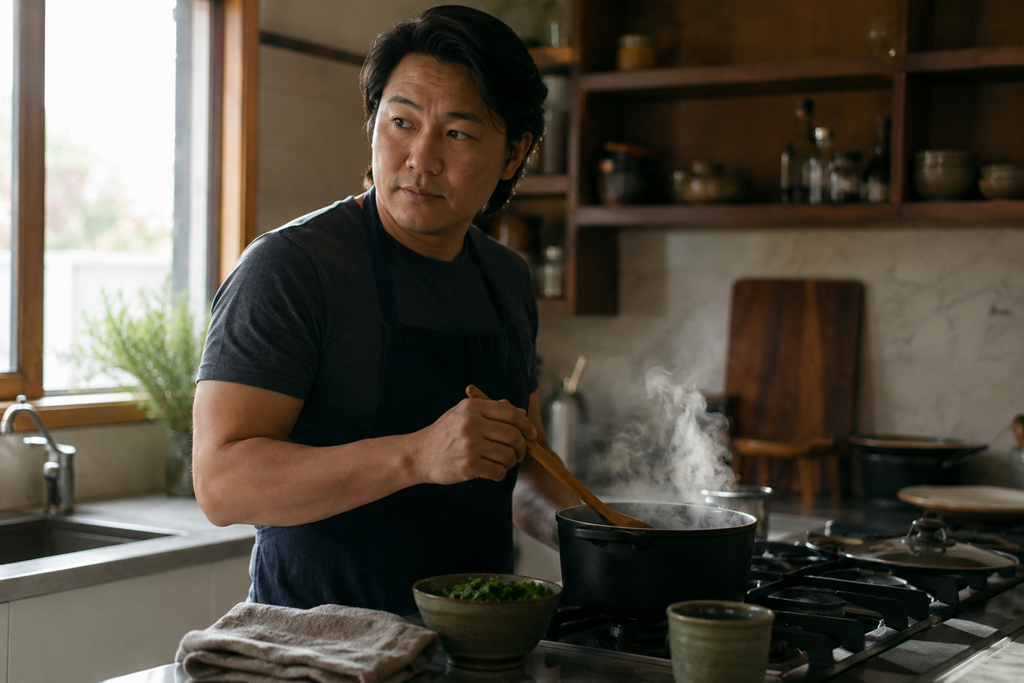
Home cooking becomes more enjoyable and consistent when it feels less like a daily performance and more like a familiar rhythm. You do not need a perfect meal plan, a spotless kitchen, or a long list of new recipes to cook at home more often. Most people simply need cooking to feel easier to start, easier to repeat, and less emotionally draining at the end of a normal day.
For many people, the hardest part of home cooking is not the cooking itself. It is the decision fatigue, the cleanup, the pressure to make something “good,” and the feeling that every meal requires fresh energy. When cooking starts to feel like one more task competing for your attention, even simple meals can feel heavier than they should.
The goal is not to turn every dinner into a special occasion. The goal is to make home cooking feel more natural, less stressful, and easier to return to again tomorrow.
Home Cooking Feels Harder When Every Meal Starts From Scratch
One reason home cooking becomes inconsistent is that people treat each meal as a brand-new project. They ask, “What should I make?” every single night, often when they are already hungry, tired, or distracted.
That question sounds small, but it carries a lot with it. You have to think about ingredients, time, taste, energy, cleanup, leftovers, and whether everyone will actually eat it. By the time you answer all of that, ordering food or grabbing something quick can feel like relief.
Cooking becomes more enjoyable when fewer decisions have to be made in the moment. This does not mean you need a strict meal plan. It can be as simple as keeping a few familiar meal types in rotation: a pasta night, a rice bowl night, a soup night, a sandwich-and-salad night, or a breakfast-for-dinner night.
Repeating meals is not a failure of creativity. It is one of the easiest ways to make cooking feel sustainable.
The Kitchen Environment Shapes How Often You Cook
A kitchen does not have to be beautiful to support home cooking. But it does need to feel usable.
If the counters are crowded, the tools are hard to reach, or the sink is already full before cooking begins, the meal can feel tiring before anything has been chopped. This is why small environmental changes often help more than big bursts of motivation.
Keeping the tools you use most often within reach can make cooking feel less like setup work. A cutting board, a sharp knife, a skillet, a mixing bowl, and a few basic seasonings can make a normal meal feel easier to begin. When the kitchen supports simple movement, cooking feels less like a chore and more like something you can step into.
The point is not to create a perfect cooking space. The point is to remove the small frictions that quietly make home cooking feel harder than it needs to be.
Enjoyment Often Comes From Lowering the Pressure
Many people stop enjoying home cooking because they believe every meal should be balanced, interesting, homemade, and visually pleasing. That is a lot to expect from a weeknight dinner.
A consistent home cooking habit usually depends on lowering the standard in a healthy way. Some meals can be simple. Some can use shortcuts. Some can be assembled more than cooked. Some can be made from leftovers. A meal does not have to be impressive to be worthwhile.
This is especially important for people who like food and enjoy the idea of cooking. Cooking enthusiasm can sometimes create its own pressure. You may imagine slow weekend meals, beautiful ingredients, and thoughtful plating, then feel disappointed when real life calls for eggs, toast, and fruit.
But home cooking is not only about special meals. It is also about ordinary meals that help you feel cared for, steady, and less dependent on last-minute food decisions.
Simple Ingredients Can Make Cooking Feel More Inviting
Enjoyable cooking often begins with ingredients you actually like using. This does not mean expensive ingredients or complicated recipes. It means keeping a few reliable foods around that make meals feel easier to build.
For one person, that might be eggs, potatoes, greens, rice, beans, and salsa. For another, it might be pasta, olive oil, frozen vegetables, chicken, tortillas, and a favorite sauce. The exact foods matter less than the feeling they create: “I can make something from this.”
A small group of familiar ingredients can make cooking feel less intimidating because they reduce uncertainty. You know how they behave. You know what they taste good with. You know how to turn them into something satisfying.
Consistency often comes from familiarity, not variety. Variety can be added later, once the basic rhythm feels steady.
Cooking Feels Better When Cleanup Is Part of the Rhythm
Cleanup is one of the biggest reasons people avoid cooking, even when they enjoy the meal itself. If cooking creates a pile of dishes, sticky counters, and containers that need to be dealt with later, the whole experience can start to feel like a bad trade.
A calmer approach is to choose meals that match the amount of cleanup you can realistically handle. Some nights are not good nights for multiple pans, a blender, and a baking sheet. That does not mean you should not cook. It means the meal should fit your energy.
One-pan meals, sheet-pan dinners, simple bowls, soups, sandwiches, and reheated leftovers all count. The easier the cleanup feels, the more likely you are to cook again soon.
Cooking consistency is often protected by respecting the full experience, not just the eating part.
The Most Useful Meals Are the Ones You Will Actually Repeat
People often look for new recipes when they want to cook more consistently. New recipes can be enjoyable, but they can also create more decisions, more shopping, and more uncertainty.
A repeatable meal is valuable because it already works. You know the ingredients. You know the timing. You know how much effort it takes. You can make it when your energy is average, not just when you feel inspired.
This is where home cooking becomes more dependable. Instead of needing motivation every day, you begin to rely on meals that are familiar enough to feel easy. A few repeatable meals can carry a household through busy seasons far better than a long list of recipes that never become habits.
There is nothing boring about having reliable meals. Reliability is what allows cooking to become part of life instead of something you have to constantly restart.
Small Enjoyments Make Cooking Feel Less Like a Task
Home cooking becomes more enjoyable when there is something pleasant inside the process, not only at the end of it. That might be natural light in the kitchen, music playing softly, a favorite wooden spoon, a clean counter, a good-smelling sauce, or the quiet satisfaction of chopping vegetables slowly.
These details may seem small, but they change the emotional tone of cooking. They help the kitchen feel less like a place where tasks pile up and more like a place where everyday care happens.
Enjoyment does not have to mean excitement. Sometimes it simply means the process feels calm enough that you do not dread it.
It Helps to Separate Cooking From Perfection
One common misunderstanding is that cooking at home has to reflect a certain identity. People may feel that if they cook, they should cook “properly.” They should make things from scratch. They should use fresh ingredients. They should avoid shortcuts. They should enjoy it every time.
That kind of thinking can make cooking feel heavier than it needs to be.
A more helpful view is that home cooking is flexible. It can be fresh or frozen, planned or improvised, simple or creative, quick or slow. Some days it is a relaxing hobby. Other days it is just a practical way to feed yourself.
Both versions are valid.
When cooking is allowed to be ordinary, it becomes easier to keep doing.
Consistency Comes From Making Cooking Easier to Return To
The most consistent home cooks are not always the most skilled. Often, they are the people who have made cooking easy to return to after a busy day, a messy week, or a stretch of takeout.
That matters because consistency is not about never getting off track. It is about having a simple way back.
Maybe that way back is a familiar pasta dish. Maybe it is scrambled eggs and toast. Maybe it is a rotisserie chicken turned into several easy meals. Maybe it is soup from the freezer. What matters is that cooking does not become an all-or-nothing decision.
A sustainable cooking life leaves room for real life. It allows for tired nights, shortcuts, repeated meals, and imperfect timing.
Home cooking becomes more enjoyable and consistent when it feels supportive rather than demanding. You do not have to become a different kind of person to cook more often. You can simply make the process easier to begin, easier to repeat, and kinder to the life you are actually living.
Download Our Free E-book!