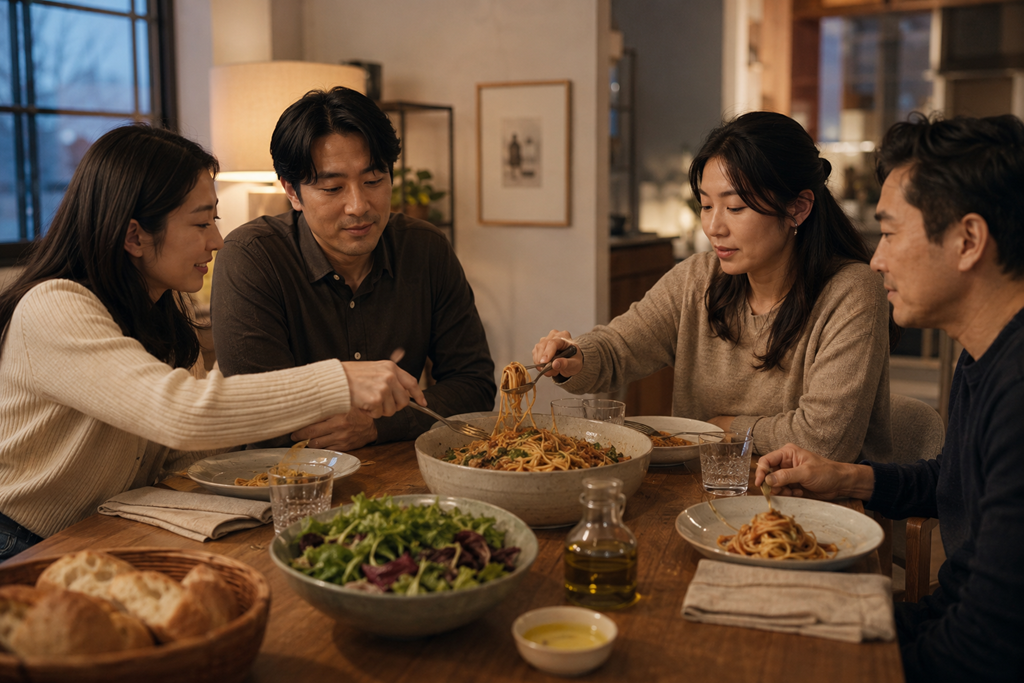
A foodie lifestyle does not have to mean complicated recipes, restaurant-level plating, or a kitchen full of specialty tools. For people who love cozy gatherings at home, it often means something simpler: making everyday food feel warm, thoughtful, and shared.
A cozy food-centered gathering is less about impressing guests and more about creating a relaxed moment where people feel comfortable staying a little longer. The food matters, but so does the pace, the lighting, the setup, the conversation, and the feeling that no one has to perform.
This is especially helpful for people who enjoy hosting but do not want every gathering to feel like a formal dinner party.
Cozy Foodie Gatherings Are About Atmosphere, Not Perfection
Many people hear “foodie” and immediately picture complicated menus, expensive ingredients, or meals that look like they belong in a magazine. But a cozy foodie lifestyle at home can be much more ordinary than that.
It might look like a pot of soup on the stove, warm bread on the counter, a few simple toppings in small bowls, and friends sitting around the table without rushing. It might be a casual pasta night, a build-your-own bowl setup, a homemade dessert with coffee, or a snack board served while everyone talks.
The key is intention. You are not just putting food out because people need to eat. You are using food to make the room feel warmer, more welcoming, and more connected.
That does not require perfection. In fact, too much perfection can make a gathering feel stiff.
The Best Home Gatherings Usually Feel Easy To Join
A cozy gathering works best when guests can settle in without feeling like they have walked into a performance. The food should feel inviting, but not intimidating.
Family-style meals often work well because they naturally make people interact. A shared salad, a large baking dish, a pot of stew, or a tray of roasted vegetables gives everyone something to pass, serve, and talk about. This creates a softer rhythm than individually plated meals, especially in a casual home setting.
Foodie-style details can still be present, but they do not need to dominate the evening. A flavored butter, a simple homemade sauce, a bowl of fresh herbs, a nice olive oil, or a seasonal dessert can make the meal feel special without turning the gathering into a production.
The goal is not to make people admire the food from a distance. The goal is to make them feel comfortable enjoying it.
Simple Food Can Still Feel Thoughtful
One misunderstanding about foodie living is that the food has to be unusual to be meaningful. But cozy hosting often works better when the food feels familiar with one or two thoughtful touches.
A simple chili can feel special with cornbread, toppings, and warm lighting. Pasta can feel more memorable with fresh basil, roasted vegetables, and a good salad. A casual brunch can feel generous with coffee, fruit, eggs, toast, and one homemade baked item.
The difference is not always the recipe. It is the care around the meal.
Small details help signal warmth. Cloth napkins, a pitcher of water with citrus, candles on the table, a playlist in the background, or serving food in real bowls instead of leaving everything in packaging can quietly change the feeling of the room.
These details do not have to be expensive or elaborate. They simply tell guests, “You were expected. This moment matters.”
A Cozy Foodie Lifestyle Leaves Room For Real Life
Hosting at home can start to feel stressful when people believe everything has to be made from scratch, served hot at the same time, and presented beautifully. That mindset can make the gathering less enjoyable for the host and more tense for everyone else.
A more sustainable approach is to build gatherings around real-life energy.
Some meals can include store-bought elements. Some dishes can be prepared earlier in the day. Some nights can be centered around snacks, dessert, or one main dish instead of a full menu. A cozy foodie lifestyle is not about proving skill. It is about creating repeatable moments that you actually enjoy.
This matters because the more manageable your gatherings feel, the more likely you are to host again. If every gathering drains you, it becomes something you avoid. If it feels calm and doable, it becomes part of your life.
Warmth Often Comes From How The Food Is Shared
Food can create connection when people are invited into the experience in small, natural ways.
A taco night, baked potato bar, pasta toppings setup, soup-and-bread evening, or casual dessert table gives people choices without making the host manage every detail. These formats also make the meal feel relaxed because guests can serve themselves and adjust their plates.
This kind of setup is especially useful for mixed preferences, light appetites, or casual groups. Instead of trying to create one perfect plate for everyone, you create a flexible table where people can participate.
The gathering becomes less about control and more about ease.
The Mood Matters As Much As The Menu
A cozy foodie gathering is shaped by sensory details beyond the food itself. Lighting, temperature, seating, sound, and table layout all affect how the meal feels.
Bright overhead lighting can make even good food feel less intimate. A cluttered table can make people feel cramped. A host who is rushing in and out of the kitchen can make guests feel like they are in the way.
Soft lighting, a cleared table, relaxed seating, and food that can sit comfortably for a while all support a calmer experience. Meals that do not require last-minute precision are often better for this kind of gathering because they allow the host to be present.
People usually remember how they felt in your home more than whether every dish was technically perfect.
The Most Common Trap Is Overhosting
People who love food often want to give guests a beautiful experience. That instinct is generous, but it can also lead to overhosting.
Overhosting happens when the meal becomes too complicated, the host becomes too busy, or the gathering becomes too focused on getting everything right. The evening may look impressive, but it can feel less warm.
A cozy gathering benefits from restraint. Fewer dishes, repeated favorites, easy serving formats, and one or two special touches are usually enough.
Instead of asking, “How can I make this impressive?” it may be more helpful to ask, “How can I make this feel welcoming and easy to enjoy?”
That one shift can change the entire tone of the gathering.
Foodie Living At Home Can Be Quietly Special
For people who love cozy gatherings, a foodie lifestyle is not just about trying new foods. It is about using food to make ordinary home life feel richer.
A simple meal can become a reason to gather. A casual snack board can become the center of a good conversation. A pot of soup can make a rainy evening feel intentional. A shared dessert can help people linger after dinner instead of rushing away.
The beauty of this kind of hosting is that it does not require a perfect house, a large dining room, or advanced cooking skills. It asks for attention, warmth, and a willingness to make food part of connection.
Cozy gatherings at home work best when they feel human. Good food helps, but the real success is when people feel relaxed, included, and glad they came.
Download Our Free E-book!