Motorcycling becomes safer, more comfortable, and more enjoyable over time when it is treated as a steady lifestyle habit rather than a once-in-a-while thrill. The riders who tend to enjoy motorcycling for the long run are not usually the ones who ride the hardest, rush the most, or chase constant excitement. They are often the ones who build calm routines around preparation, awareness, comfort, and respect for their own limits.
This does not mean every ride needs to feel overly serious. Motorcycling can still be fun, freeing, social, scenic, and deeply personal. But the experience is different when a rider is not constantly reacting to avoidable problems: uncomfortable gear, poor visibility, fatigue, low fuel, bad weather surprises, or riding beyond their current skill level.
Good motorcycling habits create space for enjoyment. They help the ride feel less chaotic and more intentional.
A Better Ride Usually Starts Before The Engine Turns Over
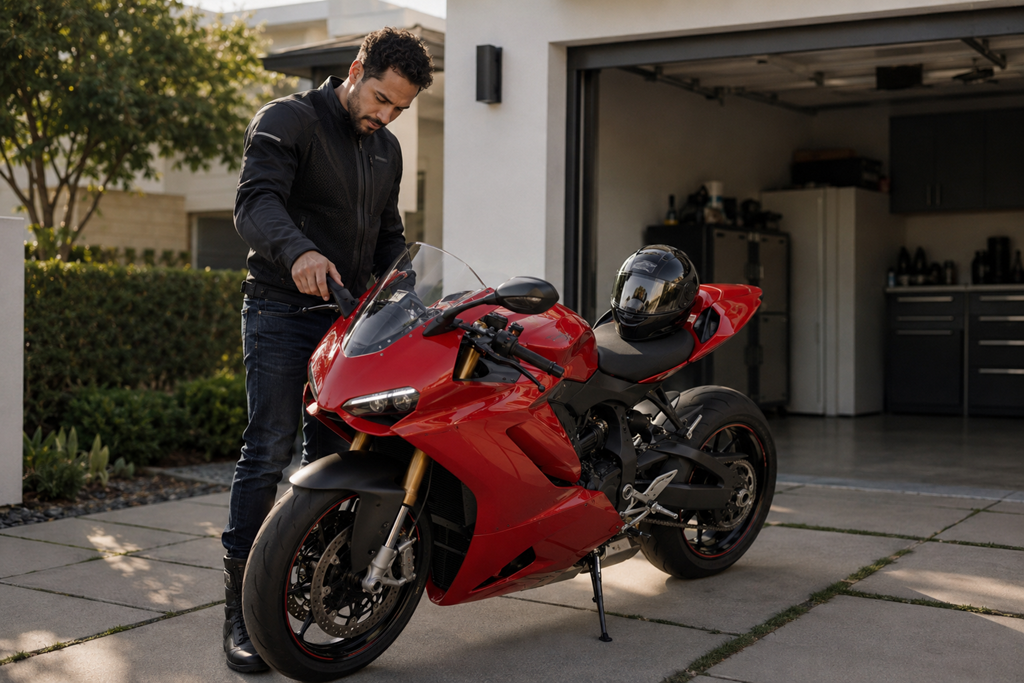
Many motorcycling problems begin before the ride itself. A rider may be distracted, underdressed, rushed, tired, or unsure about the route. The motorcycle may need fuel, tire attention, chain care, or a quick visual check. None of these things seem dramatic on their own, but together they shape the entire ride.
A calm pre-ride habit does not need to be complicated. It simply means pausing long enough to notice whether the bike, the rider, and the conditions are ready for the kind of ride planned.
That small pause can change the tone of the day. It gives the rider a chance to catch obvious issues, adjust layers, check weather, think about traffic, and mentally settle in. Instead of starting the ride in a rushed state, the rider begins with a little more control.
For many people, this is where motorcycling becomes less stressful. The ride no longer starts with “I hope everything is fine.” It starts with “I’ve paid attention to the basics.”
Comfort Is Not Separate From Safety
A common misunderstanding is that comfort is just a bonus. In real riding, comfort often supports safety.
When a rider is too cold, too hot, cramped, distracted by poor-fitting gear, or fighting wind fatigue, attention gets divided. The body starts asking for relief. Hands get tense. Shoulders tighten. The rider may rush stops, ignore early signs of fatigue, or become less patient in traffic.
Comfortable riding is not about luxury. It is about staying alert and relaxed enough to make good decisions.
That can include wearing gear that fits properly, choosing layers that match the weather, using gloves that allow good control feel, taking breaks before exhaustion sets in, and choosing a ride length that fits the day instead of forcing the day to fit the ride.
Long-term enjoyment grows when the rider does not associate motorcycling with unnecessary discomfort. A ride should challenge attention, not punish the body.
The Best Riders Leave Room For Real Life
Motorcycling often attracts people who value freedom, independence, and focus. But everyday life still matters. Weather changes. Traffic builds. Work stress follows people into the saddle. A rider may not sleep well, may feel distracted, or may simply not be in the right state of mind for a demanding ride.
One of the most useful long-term habits is learning to adjust the ride instead of forcing the original plan.
That might mean taking a shorter route, avoiding a congested area, delaying a ride, choosing familiar roads, or stopping earlier than expected. This is not weakness. It is good judgment.
A rider who can adapt is often safer than a rider who treats every plan as fixed. Motorcycling rewards awareness, and awareness includes noticing what is happening inside the rider as much as what is happening on the road.
Smooth Riding Often Matters More Than Dramatic Riding
Many newer riders think improvement means becoming faster, more aggressive, or more technically impressive. In everyday motorcycling, smoothness usually matters more.
Smooth throttle control, smooth braking, smooth lane positioning, smooth corner entry, and smooth decision-making all make the ride feel more stable. They also give other drivers more predictable cues.
This is one of the quiet truths of motorcycling: calm habits often look ordinary from the outside, but they create a better experience from the saddle.
A rider who is constantly correcting, overreacting, or rushing may feel busy, but not necessarily skilled. A rider who leaves space, looks ahead, manages speed early, and avoids unnecessary surprises often has a more enjoyable ride because the ride feels less tense.
Motorcycling does not have to feel dramatic to feel meaningful.
Awareness Is A Habit, Not A Mood
Most riders know they should “pay attention,” but attention is easier when it becomes a habit instead of something a person tries to summon only when danger appears.
Useful awareness is steady and ordinary. It means noticing road surface changes, driver behavior, intersections, blind spots, weather shifts, escape paths, and the rider’s own physical state. It also means accepting that being legally right is not the same as being physically protected.
This can be a hard adjustment for people who are used to driving cars. On a motorcycle, the rider has less physical protection and less room for assumption. Awareness has to be active, but it does not have to be anxious.
The goal is not to ride scared. The goal is to ride awake.
Maintenance Habits Make Riding Feel More Trustworthy
A motorcycle that receives regular attention feels different from one that is only noticed when something goes wrong. Basic maintenance habits build trust between the rider and the machine.
This does not mean every rider has to become a mechanic. It does mean the rider should become familiar with the motorcycle’s normal condition. Tires, lights, brakes, fluids, chain or belt condition, controls, and unusual sounds all deserve periodic attention.
The practical benefit is obvious: small issues are easier to address before they become bigger problems. But there is also an emotional benefit. A rider who knows the motorcycle has been cared for can settle into the ride with more confidence.
Neglect creates background doubt. Care creates calm.
Group Riding Works Better With Patience And Clarity
Motorcycling can be deeply social, but group rides can also become uncomfortable when expectations are unclear. Different riders have different skill levels, comfort zones, bike types, and risk tolerance.
Good long-term riding habits include being honest about pace, route, stops, and communication. A rider should not feel pressured to keep up with a group that rides beyond their comfort level. Likewise, experienced riders should not assume that everyone wants the same kind of ride.
The best group rides usually feel respectful rather than performative. People know where they are going, how stops will work, and whether the ride is relaxed, scenic, technical, or spirited. That clarity helps everyone enjoy the ride without silent pressure.
A good motorcycling lifestyle leaves room for community without turning every ride into a test.
Gear Choices Should Support The Ride You Actually Take
It is easy to think about riding gear in abstract terms: what looks good, what seems popular, or what other riders recommend. But the most useful gear is the gear that supports the actual riding someone does.
A commuter may need weather adaptability and visibility. A weekend scenic rider may need comfort over longer stretches. A newer rider may benefit from gear that helps them feel protected and focused. A rider in a hot climate may need ventilation without ignoring protection.
The point is not to chase perfect gear. The point is to avoid gear that creates distraction, discomfort, or false confidence.
Good gear should help the rider stay present. It should not become the main thing the rider is thinking about once the ride begins.
Long-Term Enjoyment Comes From Not Burning Yourself Out
Some riders unintentionally make motorcycling harder to sustain. They ride too long too soon, turn every outing into a demanding experience, compare themselves constantly, overspend on upgrades, or ignore the small habits that make riding easier.
This can slowly turn something enjoyable into something stressful.
Long-term enjoyment often comes from a quieter approach: riding regularly enough to stay familiar, choosing routes that fit the day, respecting skill development, maintaining the bike, and letting motorcycling support life instead of taking it over.
A sustainable motorcycling habit does not have to be extreme. It can be as simple as a calm evening ride, a weekend backroad route, a steady commute, or a relaxed stop at a favorite overlook.
The ride does not need to prove anything to be worthwhile.
The Habits That Last Are Usually The Calm Ones
Motorcycling asks for attention, humility, and care. That is part of what makes it meaningful. A rider is more exposed to the road, the weather, the machine, and their own decisions. Because of that, small habits matter.
The most supportive habits are not complicated. Prepare before riding. Wear gear that helps you stay comfortable and alert. Respect your limits. Keep the motorcycle maintained. Ride smoothly. Stay aware without becoming tense. Adjust when real life changes the plan.
These habits do not remove all risk, and they do not guarantee every ride will go perfectly. But they do create a more grounded relationship with motorcycling.
Over time, that grounded relationship is what allows riding to remain enjoyable, not just exciting. It helps motorcycling become something you can return to again and again with more confidence, more comfort, and more appreciation for the simple act of being on the road.
Download Our Free E-book!