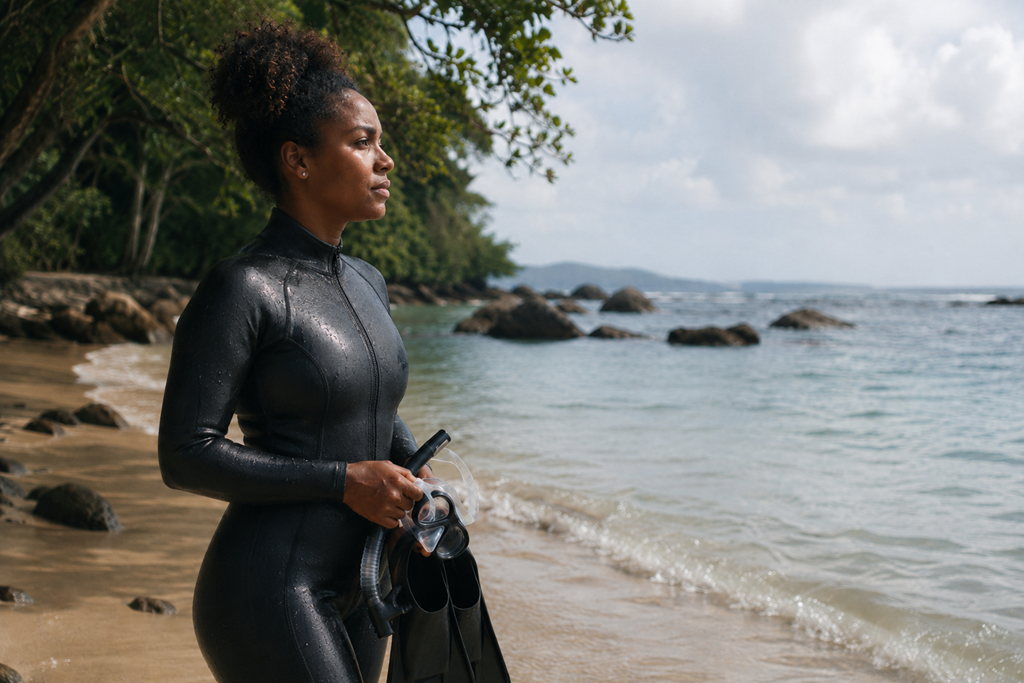
A better snorkeler lifestyle usually starts with simpler travel and beach routines. You do not need to turn every beach day into a complicated adventure. You need a few steady habits that make it easier to arrive prepared, enjoy the water comfortably, and leave the beach without feeling scattered, rushed, or worn out.
For many casual snorkelers, the challenge is not the snorkeling itself. It is everything around it: packing the right things, managing wet gear, choosing comfortable timing, protecting energy in the sun, and making the day feel relaxed instead of chaotic.
That is why small routines matter. They help snorkeling feel like a natural part of your travel and beach life, not a stressful activity that requires too much planning every time.
Snorkeling Feels Easier When The Beach Day Has A Rhythm
A good snorkeling day often has a simple rhythm: arrive with enough time, settle in, check the conditions, enjoy the water, rest afterward, and pack up without rushing.
When that rhythm is missing, even a beautiful beach can feel frustrating. You may forget something small, spend too long looking for gear, get in the water too late, or feel uncomfortable because your towel, dry clothes, snacks, or sun protection were not easy to reach.
The point is not to control every part of the day. The point is to reduce the little disruptions that make a relaxing activity feel harder than it needs to be.
A snorkeler lifestyle works best when your routines support the experience instead of taking attention away from it.
Better Travel Starts Before You Reach The Sand
Snorkeling travel can feel smoother when your gear has a consistent place in your luggage or beach bag. Mask, snorkel, fins, reef-safe sun protection, water shoes, towel, dry bag, water bottle, and a change of clothes are easier to manage when they are not packed randomly each time.
This does not mean you need expensive equipment or a perfect packing system. It means you benefit from having a repeatable pattern.
Many people make beach travel harder by treating every trip like a fresh decision. They repack from scratch, second-guess what they need, and forget small items that affect comfort. A simple routine turns those decisions into habits.
The more familiar your setup becomes, the more mental space you have for the actual experience: noticing the water, easing into the day, and enjoying the quiet curiosity of looking beneath the surface.
The Best Beach Routine Protects Your Energy
Snorkeling can look effortless, but beach days can quietly drain energy. Sun exposure, walking on sand, carrying bags, swimming, drying off, and changing clothes all add up.
A better routine protects your energy before you feel tired.
That might mean arriving earlier when the beach is quieter, keeping water and snacks easy to reach, taking breaks between swims, or choosing a shaded place to rest. It may also mean accepting that a shorter, more comfortable snorkeling session is often better than forcing a long one.
This is an important reframe: a successful snorkeling day is not measured by how long you stayed in the water. It is measured by whether the experience felt safe, enjoyable, and worth repeating.
For lifestyle-focused snorkelers, consistency matters more than intensity.
Wet Gear Needs Its Own Plan
One of the most overlooked parts of snorkeling is what happens after the water.
Wet masks, snorkels, fins, towels, swimsuits, and water shoes can make the end of the day feel messy if there is no plan for them. A simple dry bag, mesh gear bag, spare towel, or dedicated section of your beach tote can make a big difference.
This matters because the after-snorkel experience shapes how you remember the day. If the final hour feels damp, disorganized, and uncomfortable, the whole outing can feel more difficult than it really was.
A practical beach routine gives wet items a place to go. It also gives dry items some protection. That small separation can make travel back to the hotel, rental car, or home much more pleasant.
Comfort Is Not A Luxury Detail
It is easy to focus only on the exciting part of snorkeling: the clear water, fish, reefs, rocks, coves, or underwater views. But comfort is what allows people to keep enjoying it.
A mask that fits, fins that do not rub, a towel that dries well, and clothing that is easy to change into can all affect the mood of the day. So can simple choices like knowing where restrooms are, checking whether the beach has shade, or bringing something warm for after the water.
These details may seem small, but they reduce friction.
Many people assume they are “not good at snorkeling” when the real issue is discomfort around the activity. They may be tired, sunburned, cold, hungry, rushed, or distracted by gear problems. Improving the routine often improves the experience.
Travel Snorkeling Should Leave Room For Conditions To Change
A healthy snorkeler lifestyle includes flexibility.
Ocean and beach conditions can change. Wind, visibility, tides, currents, crowds, and weather can affect whether snorkeling feels enjoyable on a given day. A better routine does not force the plan. It gives you room to adjust.
Sometimes the better choice is to walk the beach first, ask a local operator about conditions, wait for a calmer time, or skip snorkeling that day and enjoy the shoreline instead.
This does not mean the day failed. It means you are treating snorkeling as part of a broader beach lifestyle, not as a task that must happen no matter what.
That mindset helps keep the activity enjoyable over time.
The Routine Should Match The Kind Of Snorkeler You Are
Not every snorkeler wants the same kind of day.
Some people enjoy quick shoreline swims. Others like boat excursions. Some travel with family. Some prefer quiet mornings. Some want photography, while others simply want to float and observe. Your beach routine should support the kind of experience you actually enjoy, not the version that looks most impressive online.
This is where many people overcomplicate things. They copy someone else’s travel style, pack too much gear, schedule too many water activities, or try to make every beach stop feel like a major event.
A better approach is to build around your real preferences.
If you like slow mornings, do not plan rushed sunrise outings unless you truly want them. If you get tired easily in the sun, plan more shade and shorter water time. If you travel with others, make space for different energy levels.
Good routines are personal. They make your beach days feel more livable.
A Few Common Patterns Make Snorkeling Feel Harder
Snorkeling often becomes frustrating when people underestimate the transition moments.
They think about getting into the water, but not about arriving, changing, drying, rinsing, carrying, resting, or leaving. Those moments are where the day can become stressful.
Another common pattern is packing for the ideal version of the day instead of the realistic one. The ideal day may be sunny, easy, uncrowded, and smooth. The realistic day may include wind, sand, wet towels, tired legs, and someone needing a break earlier than expected.
A third pattern is trying to do too much. Snorkeling does not need to be paired with a packed itinerary every time. A beach day with one good water session, enough rest, and a simple meal afterward can feel far better than a crowded schedule.
The quieter truth is that snorkeling becomes more enjoyable when you stop treating it like a performance and start treating it like a repeatable part of your travel rhythm.
Simple Routines Make The Lifestyle More Sustainable
The best snorkeler lifestyle tips are not dramatic. They are practical, repeatable, and easy to live with.
Keep your gear organized enough that leaving for the beach does not feel like a project. Protect your energy so the day remains enjoyable. Give wet items a clear place to go. Let comfort matter. Stay flexible when conditions change. Build your routine around the kind of snorkeler you actually are.
These small habits help snorkeling feel less like an occasional production and more like a natural extension of travel, beach time, and outdoor enjoyment.
You do not need a perfect system. You need a routine that helps you arrive with less stress, enjoy the water with more presence, and leave the beach feeling like the day worked.
Download Our Free E-book!