You restore a sense of home calm by reducing environmental friction and reestablishing your home’s identity as a place of recovery — not just responsibility.
When home stops feeling calm, it often feels like this:
You walk in and immediately notice what needs to be done
Your body doesn’t fully relax, even when you sit down
Every room feels slightly “active” instead of settled
You feel mentally on, even during downtime
Calm at home isn’t created by silence alone. It’s created by clarity — clarity of purpose, boundaries, and emotional tone.
Restoring that calm doesn’t require a dramatic overhaul. It requires intentional alignment.
What Happens When Your Home No Longer Feels Like a Place to Reset
If a sense of calm isn’t restored, your home can slowly become another source of background stress.
Over time, this can lead to:
Lower-quality rest
Increased irritability in shared spaces
Avoidance of certain rooms
Feeling like you’re never fully off-duty
When home loses its restorative function, every other area of life feels heavier. Without a place to reset, stress accumulates instead of cycling out.
Understanding this shifts the goal. The objective isn’t a perfect home. It’s a supportive one.
How to Gently Bring Calm Back Into Your Space
Restoring calm is less about adding and more about clarifying.
Here are several supportive principles to consider:
Reinforce a “Day’s End” Signal
Homes don’t automatically shift from productivity to rest. A subtle transition — dimming lights, clearing one surface, changing clothes — signals that the active portion of the day is complete.
Calm increases when your nervous system knows when effort ends.
Reduce Visual Noise
Not every item needs to be visible. Containing mail, tools, and unfinished tasks reduces cognitive load. The goal isn’t minimalism — it’s fewer open loops.
Define Rest Zones
When every room serves multiple roles, relaxation becomes harder. Even small symbolic boundaries — a specific chair for reading, a cleared bedside table — reinforce the identity of rest.
Address One Friction Point
You don’t need to fix everything. Removing one recurring irritation (a blocked walkway, a persistent pile, a squeaky hinge) creates momentum and visible relief.
A clarifying insight:
Calm is often restored not by adding comfort — but by removing quiet tension.
Recognizing where tension lives is half the work.
Why Restoring Calm Often Doesn’t Work the Way We Expect
Mistake 1: Trying to Create Calm Through Shopping
New décor can feel refreshing, but calm is structural. Without addressing layout, maintenance pressure, or emotional spillover, visual updates fade quickly.
Mistake 2: Expecting Instant Transformation
Calm is cumulative. It grows as friction decreases. Expecting immediate serenity sets unrealistic standards and can reinforce frustration.
Mistake 3: Ignoring Emotional Carryover
Even a well-arranged home won’t feel calm if stress is carried in unchecked. Transition rituals matter as much as furniture placement.
These mistakes are understandable. When discomfort rises, it’s natural to want quick relief. But sustainable calm is built through steady refinement.
Calm Returns When Your Home Signals That You Can Finally Settle
A sense of home calm is not accidental.
It emerges when your environment clearly communicates:
“This is a place where effort ends.”
Restoring that message requires small structural shifts — fewer open loops, clearer boundaries, intentional transitions.
You don’t need perfection. You need alignment.
If you’d like the bigger picture of why home can stop feeling restful in the first place — and how stress, layout, and maintenance interact — the Hub article explores the broader Home Identity framework behind this experience.
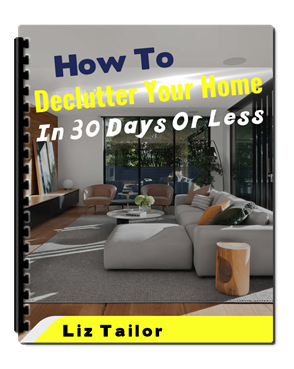
Download Our Free E-book!