Many fathers appreciate Father’s Day most when it feels thoughtful, personal, and low-pressure.
That does not always mean a big gift, an expensive dinner, or a perfectly planned celebration. For many dads, what matters most is feeling noticed for who they are, not only for what they provide, fix, carry, earn, or handle.
Father’s Day can become confusing because families often try to express appreciation through the most visible gestures. Cards, gifts, meals, and plans can all be meaningful. But the deeper thing many fathers quietly appreciate is simpler: being recognized, respected, included, and allowed to enjoy the day without having to manage everyone else’s expectations.
The Best Father’s Day Gifts Usually Feel Personal, Not Performative
A good Father’s Day gesture does not have to impress anyone outside the family.
Many fathers would rather receive something that shows genuine attention than something that feels expensive but generic. A small gift connected to his actual interests, a sincere note, a relaxed meal, or time spent together can mean more than a larger gesture that does not reflect who he is.
This is especially true for fathers who do not ask for much. Some dads are used to minimizing their own preferences. They may say, “I don’t need anything,” and sometimes they mean it. But that does not always mean they want the day ignored. Often, it means they do not want to create pressure, cost, or inconvenience for anyone else.
A thoughtful Father’s Day acknowledges that difference.
Many Fathers Want To Feel Seen Beyond Their Role
Fatherhood can become tied to responsibility. A father may be seen as the person who works, drives, pays, fixes, protects, disciplines, solves problems, or keeps things moving.
Those things matter, but they are not the whole person.
On Father’s Day, many dads appreciate being noticed beyond their function. They may value hearing that their patience, presence, humor, effort, consistency, or quiet support has mattered. They may appreciate someone remembering the little things they do that rarely get praised.
A father who always checks the car before a road trip, shows up to games, makes breakfast, gives practical advice, stays calm during stress, or quietly sacrifices comfort for the family may not expect applause. But being told, specifically, “I notice that,” can land deeply.
A Relaxed Day Can Mean More Than A Packed Schedule
Some families try to make Father’s Day special by filling it with activities. That can be wonderful if the father enjoys it. But for many dads, a meaningful day may look quieter.
He may want time with family without a complicated schedule. He may want a favorite meal, a peaceful morning, a walk, a movie, a backyard afternoon, a hobby, or simply fewer demands than usual.
This does not mean he wants to be left alone all day unless he has clearly expressed that. It means the day does not need to become another event he has to emotionally or logistically participate in for everyone else’s comfort.
Sometimes the gift is not more activity. Sometimes the gift is ease.
Specific Appreciation Often Matters More Than General Praise
“Happy Father’s Day” is kind and expected. But specific appreciation usually feels more meaningful.
A father may appreciate hearing:
That his steady presence has helped the family feel safe.
That his advice has stayed with someone.
That his effort has not gone unnoticed.
That a child remembers a certain moment with him.
That his way of showing love is understood, even if it is practical or quiet.
Specific words matter because they make appreciation feel real. They turn Father’s Day from a calendar obligation into a moment of recognition.
This is especially important for fathers who express care through action more than emotion. A dad may not always say everything he feels, but he may remember the words someone said to him for years.
Not Every Dad Wants The Same Kind Of Celebration
One common mistake is assuming all fathers want the same thing.
Some fathers love gifts. Some prefer experiences. Some want family time. Some want rest. Some want food, hobbies, conversation, laughter, or quiet. Some enjoy sentimental moments, while others feel more comfortable with lightness and humor.
The best Father’s Day gesture usually reflects the actual father being celebrated.
A sports-loving dad may appreciate watching a game without interruption. A practical dad may enjoy something useful. A sentimental dad may treasure a handwritten note. A busy dad may want a slower day. A social dad may enjoy a family gathering. A tired dad may appreciate help with chores more than another object to store.
The point is not to guess perfectly. The point is to pay attention.
Practical Help Can Be A Real Form Of Love
For some fathers, being appreciated means having something taken off their plate.
That might mean handling a task he usually does, planning the meal, cleaning up afterward, giving him time for a hobby, organizing the day without making him decide everything, or simply letting him rest without guilt.
This can be especially meaningful for fathers who are always “on.” If he usually carries responsibility quietly, then a Father’s Day that gives him relief may feel more loving than a formal celebration.
Practical support does not have to replace emotional appreciation. The two work well together. A simple note plus a calmer day can be more powerful than a gift given without thought.
The Most Meaningful Gestures Often Come From Knowing His Personality
Some fathers feel awkward being the center of attention. Others enjoy it. Some want heartfelt words. Others prefer humor. Some want a big family meal. Others would rather spend time outdoors, work on a project, watch a movie, grill, read, nap, or sit without being asked what they want every fifteen minutes.
This is why Father’s Day is less about following a universal formula and more about matching the gesture to the person.
A meaningful day might include a gift, but it does not have to. It might include a card, but the card should sound like it came from a real person. It might include time together, but the time should feel comfortable instead of forced.
The more the day reflects his real preferences, the more appreciated he is likely to feel.
Where Father’s Day Gestures Can Miss The Mark
Father’s Day can miss the mark when it becomes more about appearances than connection.
That can happen when the family plans something elaborate because it looks impressive, even though the father would have preferred something simpler. It can happen when gifts are chosen quickly without considering his actual interests. It can happen when the day creates more pressure than peace.
It can also happen when appreciation stays too general.
Many dads are used to being dependable. But dependability can become invisible when everyone assumes it will always be there. Father’s Day is a chance to pause and name the value of that presence instead of letting it blend into the background.
The goal is not perfection. It is sincerity.
A Simple Way To Think About What Fathers Appreciate
A helpful way to think about Father’s Day is this:
Most fathers appreciate gestures that show attention, reduce pressure, and recognize effort.
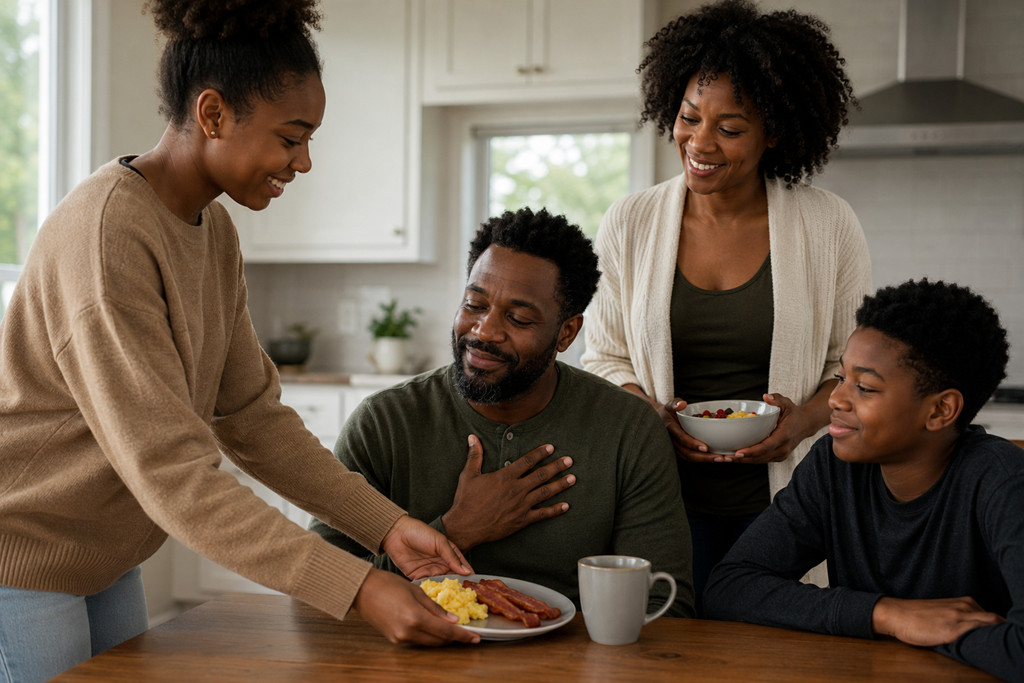
That can look different in every family. It might be a homemade breakfast, a handwritten letter, a meaningful gift, an afternoon with no obligations, a family activity he actually enjoys, or a quiet thank-you that names something specific.
The best gesture does not have to be big. It has to feel considered.
Fathers often spend much of life trying to be steady for others. On Father’s Day, what many appreciate most is the feeling that someone paused long enough to see the person behind that steadiness.
Father’s Day Does Not Have To Be Complicated To Be Meaningful
The most appreciated Father’s Day is usually not the most expensive or elaborate one. It is the one that feels honest.
A father may appreciate being thanked clearly, given space to enjoy the day, included in a way that feels natural, and recognized for the quiet things he does all year. He may value a gift, a meal, a note, time together, or rest — but the deeper message is the same.
“You matter. We notice you. We appreciate what you bring to our lives.”
That is often what fathers actually appreciate most.
Download Our Free E-book!