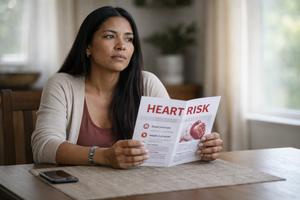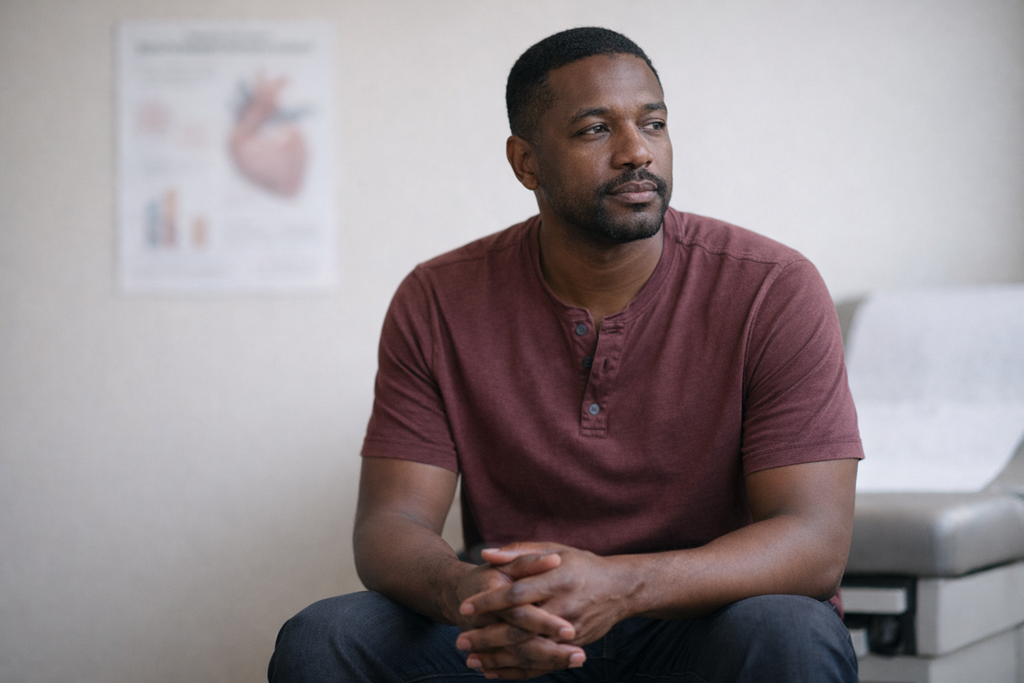
For many people, learning about heart health doesn’t just lead to better habits — it quietly opens the door to fear about what the future might hold.
It can start small. A routine checkup. A conversation about cholesterol or blood pressure. A family story that suddenly feels relevant. Over time, those pieces can turn into a background worry that’s hard to shut off. Thoughts about long-term health, aging, or unexpected heart events begin to intrude during otherwise normal moments.
This fear often isn’t dramatic or constant. It’s subtle, persistent, and mentally exhausting. And importantly, it’s not a sign of weakness or irresponsibility. It’s a very human response to being asked to think about risk, longevity, and the body all at once.
Why Even Responsible Health Awareness Can Start to Feel Overwhelming
Heart health information is usually presented through a risk-focused lens. Numbers, probabilities, “red flags,” and long-term outcomes are meant to inform, but they can easily blur into personal threat.
At the same time, people are told to be proactive: monitor, track, optimize, and prevent. That combination — awareness plus responsibility — creates pressure. When something feels both serious and partially out of your control, the mind naturally fills in the gaps with worry.
Effort alone doesn’t resolve this because the issue isn’t a lack of discipline or knowledge. It’s that most heart health guidance addresses physical actions, not the psychological load that comes with long-term risk awareness. Without a way to mentally contain that information, concern can quietly turn into fear.
A gentle note: Some people find it helpful to explore a more structured way of thinking about heart health — one that emphasizes stability and long-term calm rather than constant vigilance. Deeper frameworks exist for those who want support in holding this information without letting it dominate their outlook.
The Subtle Beliefs That Keep This Fear Going
One common belief is that fear is useful — that staying slightly anxious will keep you safer. In reality, chronic worry often leads to hyper-monitoring, second-guessing, and emotional fatigue, none of which support long-term wellbeing.
Another misconception is that reassurance should eliminate fear. Many people expect that once they “do everything right,” the worry should disappear. When it doesn’t, they assume something is wrong with them. But uncertainty about the future is part of being human, especially when health is involved.
It’s also easy to believe that more information will finally bring peace. While education matters, information without a stabilizing framework can increase mental noise rather than clarity. These patterns are understandable responses to complex messaging — not personal failures.
What Changes When You Separate Awareness From Alarm
The path forward isn’t about ignoring heart health or forcing optimism. It’s about separating awareness from alarm.
A grounded approach focuses on structure:
- Understanding what information deserves attention — and what doesn’t
- Creating steady, repeatable habits rather than reactive behaviors
- Shifting from short-term fear management to long-term emotional stability
When heart health is placed inside a broader system of self-trust, routine, and perspective, it stops feeling like a looming threat and starts feeling like one aspect of a well-supported life.
When a Bit More Structure Starts to Feel Helpful
Some people benefit from going deeper than general understanding. Not because they’re doing something wrong, but because structure can be calming. A more comprehensive framework can help integrate heart health awareness into daily life without letting fear set the emotional tone.
A More Stable Way to Think About Heart Health and the Future
Fear about the future often isn’t caused by heart health risks themselves, but by how those risks are framed and carried mentally. When awareness lacks structure, the mind fills in uncertainty with worry.
By approaching heart health with calm systems, stable habits, and a clearer mental framework, it’s possible to stay informed without living in fear. Progress doesn’t have to feel urgent or heavy — it can feel steady, grounded, and human.
Download Our Free E-book!