Many people start urban farming because they want to feel a little less dependent on systems they cannot control. They may not be trying to live completely off-grid or grow every bite of food they eat. More often, they simply want the steady reassurance of knowing they can produce something useful with their own hands, even in a small space.
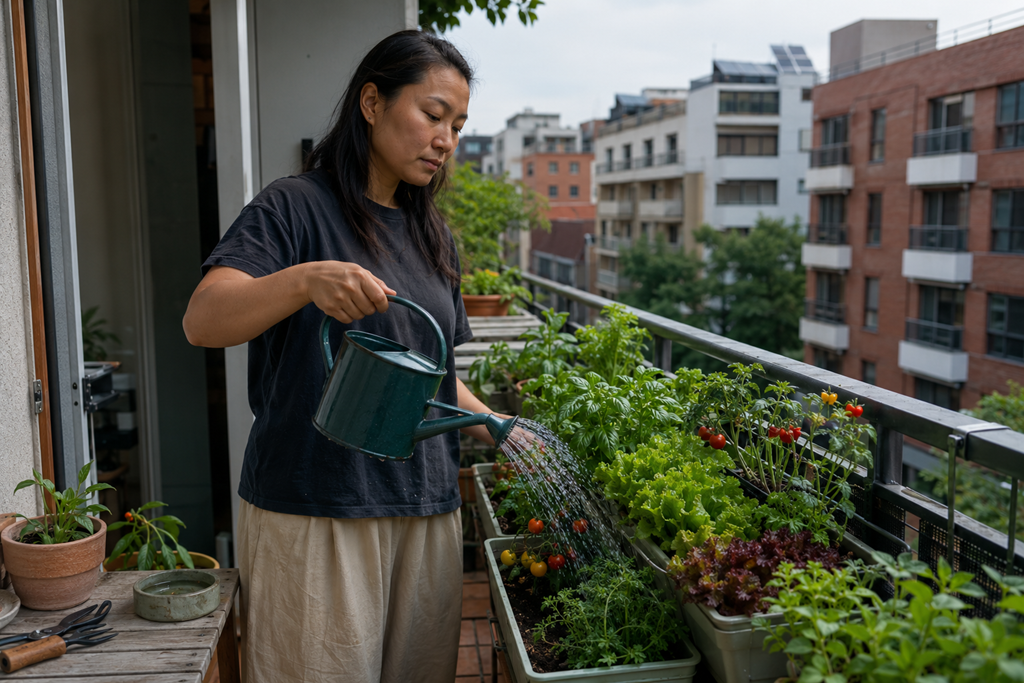
Urban farming can make self-reliance feel more real because it turns an abstract idea into a daily practice. A few herbs on a windowsill, tomatoes on a balcony, lettuce in containers, or a small backyard garden can remind someone that they are not only a consumer of food. They can also become a participant in growing it.
That shift can feel deeply grounding.
Self-Reliance Often Starts With One Small Growing Space
For many people, the desire to start urban farming does not come from wanting a perfect garden. It often begins with a quiet feeling that modern life has become too disconnected from basic needs.
Food appears on shelves. Meals arrive through apps. Weather, supply chains, prices, and shortages can feel distant until they suddenly affect daily life. Urban farming gives people a small, practical way to reconnect with one of life’s most basic rhythms: planting, tending, waiting, and harvesting.
This does not mean someone needs acreage, livestock, or a full homestead. In an urban setting, self-reliance may begin with something as simple as learning how basil grows, keeping a few salad greens alive, or understanding when a plant needs more sun.
The emotional value is often larger than the harvest itself. The person is learning, observing, adjusting, and becoming more capable.
The Appeal Is Not Always About Saving Money
One common misunderstanding is that people start urban farming only to reduce grocery costs. For some households, that may be part of the motivation. But for many beginners, the deeper appeal is not just financial.
It is about confidence.
Growing even a small amount of food can help someone feel more prepared, less passive, and more connected to everyday life. A container garden may not replace the grocery store, but it can change how a person thinks about food. They begin to understand seasonality, waste, freshness, soil, water, sunlight, and patience in a more personal way.
That kind of awareness can make daily life feel less automatic.
Urban farming also gives people a visible reminder that useful skills can be built slowly. The first harvest might be modest, but the learning is real. Each season teaches something the last one did not.
Growing Food Can Make Daily Life Feel More Grounded
Urban life can sometimes feel fast, crowded, and overly digital. Many people spend much of their day surrounded by screens, schedules, traffic, noise, and indoor routines. Urban farming offers a different kind of pace.
Plants do not respond to urgency. They respond to consistency.
That can be part of why urban farming feels calming. It gives people a reason to step outside, check the soil, notice the weather, and pay attention to something living. Even a few minutes of watering or pruning can create a sense of steadiness in the middle of a busy day.
The self-reliance people feel is not only practical. It is also emotional. They are creating a small pocket of order, care, and usefulness in a world that often feels rushed or unpredictable.
Small Harvests Can Still Feel Meaningful
A beginner may wonder whether urban farming “counts” if they are only growing a few things. This is where many people get discouraged too early.
They compare their small container garden to full backyard farms, homesteads, or highly polished social media gardens. Then their own effort starts to feel inadequate before it has had time to grow.
But self-reliance is not measured only by volume. A handful of herbs, a few peppers, or a bowl of homegrown greens can still matter. These small harvests prove that the person is learning how to produce something useful from limited space.
That matters because self-reliance is built through repeated experience, not through one dramatic transformation.
A small garden teaches problem-solving. It teaches observation. It teaches patience. It teaches how to recover from mistakes. Those lessons often become more valuable than the food itself.
Urban Farming Helps People Feel Less Removed From Their Food
Many people are surprised by how different food feels when they have grown it themselves. A tomato from a patio container can carry more meaning than a full grocery bag because the person remembers the watering, the waiting, and the small problems they had to solve along the way.
That connection can make food feel less anonymous.
Urban farming also helps people notice how much effort goes into what they eat. This awareness can lead to less waste, more appreciation, and more thoughtful meals. Someone may begin using herbs more carefully, composting scraps, or planning meals around what is actually growing.
These changes may seem small, but they can reshape the way a person relates to their home and routine.
Self-Reliance Does Not Mean Doing Everything Alone
Another misunderstanding is that self-reliance means complete independence. In reality, urban farming often helps people appreciate community more, not less.
People trade tips with neighbors. They share extra seedlings. They ask questions at local nurseries. They learn from community gardens, online groups, older relatives, local growers, or friends who have made the same mistakes before.
This kind of self-reliance is not isolated. It is practical confidence supported by shared knowledge.
For many people, that feels healthier than trying to become fully independent overnight. They are not rejecting modern life. They are simply adding back a skill that makes them feel more capable within it.
The Process Can Be Just As Important As The Food
Urban farming can become a quiet reminder that progress does not always need to be fast or dramatic. Plants grow gradually. Some thrive. Some fail. Some need to be moved, trimmed, replanted, or started again.
That rhythm can be reassuring for people who feel overwhelmed by big life changes. Instead of trying to overhaul everything, they can build one steady habit around care and attention.
This is why many people continue urban farming even when the harvest is small. The process itself gives them something valuable: a sense of agency.
They are not just thinking about being more self-reliant. They are practicing it in a visible, everyday way.
Why The Feeling Matters
The desire to feel more self-reliant is not strange or extreme. It often comes from a very normal human need to feel capable, prepared, and connected to the basics of daily life.
Urban farming gives people a small but meaningful way to meet that need. It does not have to solve every food concern. It does not have to replace grocery shopping. It does not have to become a full lifestyle overhaul.
It can simply be a grounded practice that says: I can learn this. I can grow something. I can take care of a small part of my food life with my own hands.
For many people, that is enough to feel more steady, more capable, and more at home in their own routine.
Download Our Free E-book!