1)) Direct Answer / Explanation
Relaxation doesn’t always calm body-based anxiety because the nervous system doesn’t instantly trust stillness as safety.
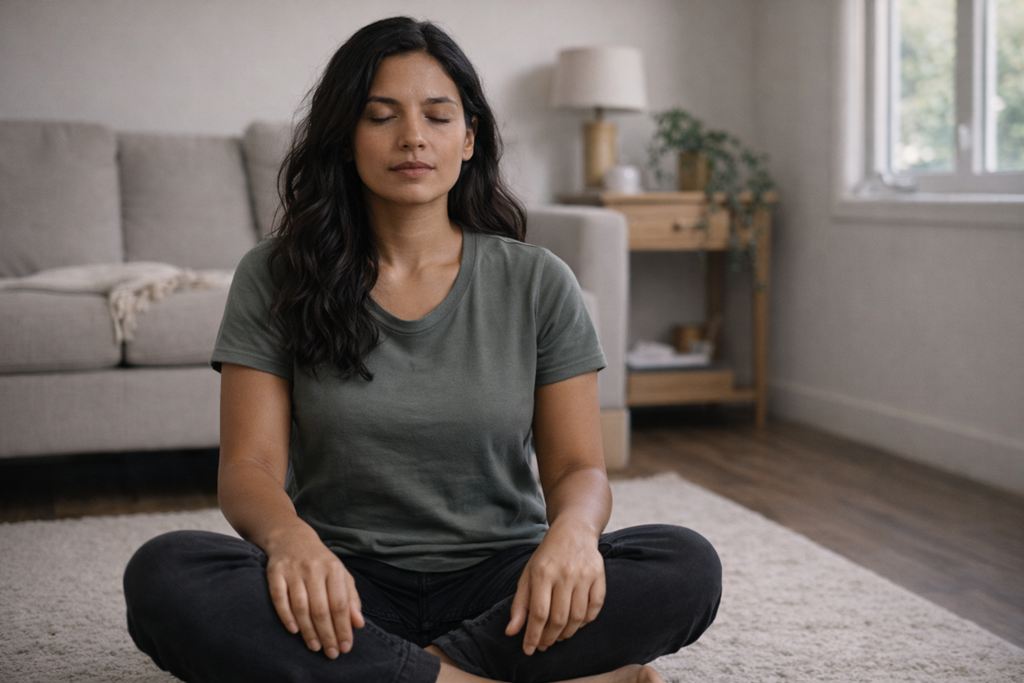
If you’ve ever tried deep breathing, meditation, or lying down to relax — only to feel more aware of your heartbeat, more tense, or even more anxious — you’re not imagining it.
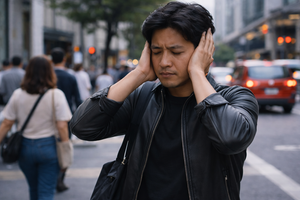
Body-based anxiety is driven by nervous system activation. When that system is on alert, it’s scanning for danger. Suddenly becoming still or focusing inward can sometimes increase awareness of physical sensations rather than reduce them.
Instead of calming down, you might notice:
- Your heart beating louder
- Your breathing feeling unnatural
- A wave of restlessness
- An urge to move or “do something”
It can feel confusing: “I’m doing everything right. Why do I feel worse?”
The short answer: relaxation techniques and nervous system readiness don’t always match in timing.
2)) Why This Matters
When relaxation doesn’t work as expected, many people assume they’re failing.
They may think:
- “I’m bad at meditation.”
- “I can’t relax like other people.”
- “Something must be wrong with me.”
This misunderstanding can lead to frustration or avoidance. Some people stop trying supportive practices altogether because they associate them with discomfort.
In reality, the issue isn’t personal inadequacy. It’s sequencing.
If the nervous system is highly activated, jumping straight to stillness can feel abrupt. For a body on alert, sudden quiet can feel unfamiliar — even unsafe.
Without understanding this, people often abandon tools that could work if approached differently.
3)) Practical Guidance (High-Level)
A few grounded reframes can help:
1. Calm is not always the first step.
For an activated nervous system, gentle movement, grounding through the senses, or gradual pacing may feel more accessible than immediate stillness.
2. Awareness can amplify before it settles.
When you slow down, you may temporarily notice sensations more clearly. That doesn’t mean relaxation is failing — it means attention has shifted.
3. Safety builds gradually.
The nervous system responds to repeated experiences of non-danger. Short, consistent exposure to calm states often works better than forcing long sessions.
4. Match the tool to the state.
Sometimes regulation begins with stabilizing the body before attempting deep relaxation.
A clarifying insight many people recognize:
It’s not that relaxation “doesn’t work.” It’s that the body may need transition, not an abrupt stop.
4)) Common Mistakes or Misunderstandings
Mistake 1: Forcing relaxation
Trying to make the body calm down on command can increase internal pressure.
Mistake 2: Measuring success by immediate results
Nervous system patterns often shift gradually, not instantly.
Mistake 3: Interpreting increased awareness as danger
Noticing your heartbeat or breathing more clearly during stillness is common. Awareness is not the same as threat.
These reactions are understandable. Most advice frames relaxation as universally soothing. For body-based anxiety, context matters.
Conclusion
Relaxation doesn’t always calm body-based anxiety because the nervous system must feel safe before it can settle.
If stillness sometimes makes you more aware or more tense, you’re not doing it wrong. Your body may simply need a different entry point into regulation.
Understanding this reduces self-criticism and helps you approach calm in a steadier, more realistic way.
If you’d like the bigger picture of why anxiety often begins in the body before thoughts — and how the sequence unfolds — you may find it helpful to read the Hub article: Why Anxiety Often Shows Up In The Body Before Thoughts.
Download Our Free E-book!