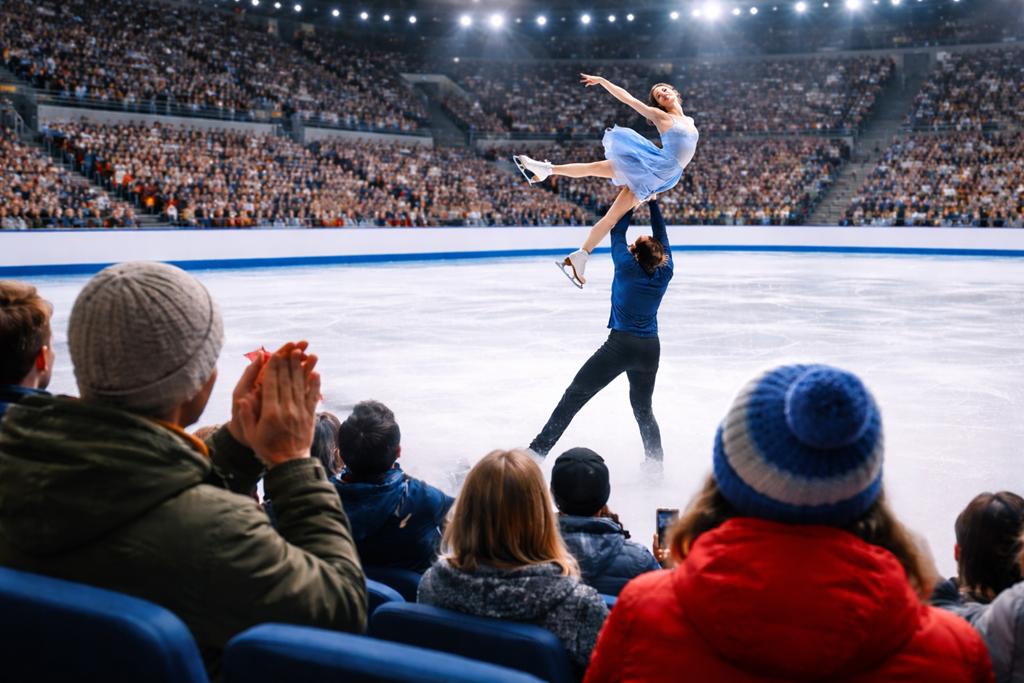
Attending the Winter Olympic Games is one of those experiences many people quietly place in the “probably too expensive” category. Snow-covered mountains, world-class athletes, international crowds, and iconic venues all sound incredible—but also financially intimidating.
The truth is far more encouraging.
With the right strategy, attending the Winter Olympics can be surprisingly achievable. Overspending usually happens not because the Games are inherently unaffordable, but because travelers make predictable planning mistakes: booking too late, staying in the wrong places, or assuming only premium experiences are worthwhile.
What follows is a practical, confidence-building breakdown of how real people attend the Winter Olympics without blowing their budgets—while still enjoying the atmosphere, the competition, and the once-in-a-lifetime feeling that makes the Games so special.
1)) Plan Earlier Than it Feels Necessary
The single biggest factor in Olympic overspending is time pressure. When people wait until the year—or even months—before the Games, prices have already climbed across flights, hotels, and transportation.
Planning early does not mean booking everything immediately.
It means:
- Watching airfare trends months in advance
- Tracking accommodation availability before demand spikes
- Understanding host city layouts and venue locations early
Flights to Olympic regions often increase dramatically within the final 6–9 months. Lodging fills up even faster, especially in smaller mountain towns.
Early planning gives you leverage. Late planning forces compromise.
2)) Choose Events That Deliver Maximum Value
Not all Olympic tickets are priced—or experienced—equally.
Many first-time attendees assume they need finals or medal events to feel the Olympic magic.
In reality, early-round competitions often provide:
- Longer sessions
- Less crowded venues
- Better views
- Significantly lower prices
Sports like curling, biathlon, cross-country skiing, ski jumping, and preliminary hockey rounds are often more affordable and incredibly engaging in person. These events also tend to attract knowledgeable fans, creating an energetic but relaxed atmosphere.
Seeing multiple sessions across different sports frequently delivers a richer experience than spending a large portion of the budget on a single marquee final.
3)) Stay Outside the Main Host City
Olympic host cities are rarely where the best lodging value exists.
During the Winter Olympics, accommodations closest to venues often:
- Inflate prices significantly
- Impose extended minimum stays
- Sell out quickly
A more budget-smart approach is staying in nearby towns or secondary cities with strong transit connections. Regional trains and Olympic shuttle systems are designed to move large crowds efficiently and are often included or discounted with event tickets.
Staying just 30–60 minutes outside the core Olympic zone can cut lodging costs dramatically while preserving convenience and flexibility.
4)) Use Public Transportation Like a Local
Rental cars, taxis, and rideshares are rarely the most cost-effective or efficient options during the Winter Olympics. Road congestion, parking restrictions, and weather conditions make driving stressful and expensive.
Most Winter Games locations invest heavily in:
- Expanded rail service
- Dedicated Olympic buses
- Integrated ticketing systems
Using public transportation:
- Reduces daily costs
- Eliminates parking fees
- Keeps travel predictable
- Often provides scenic routes through host regions
Many attendees report that trains and buses become part of the Olympic experience itself—filled with fans, volunteers, and athletes moving together from venue to venue.
5)) Limit the Length of Your Stay (Not the Experience)
A common misconception is that attending the Olympics requires a two-week trip. In reality, many people attend for three to five days and leave feeling completely satisfied.
A shorter stay encourages:
- More intentional scheduling
- Less lodging expense
- Lower food and transport costs
Choosing a focused window—such as mid-Games weekdays—often provides better ticket availability and reduced crowds compared to opening or closing weekends.
Quality of experience matters far more than quantity of days.
6)) Balance Ticketed Events With Free Olympic Experiences
You do not need tickets every day to feel immersed in the Winter Olympics.
Most host cities offer:
- Official fan zones
- Live outdoor screenings
- Cultural performances
- Sponsor exhibitions and interactive spaces
These free or low-cost experiences deliver the Olympic atmosphere without draining your budget. Many seasoned attendees intentionally alternate between ticketed competitions and fan zones to maintain energy and reduce costs.
The sense of shared excitement—cheering alongside fans from around the world—is often strongest in these communal spaces.
7)) Eat Strategically Without Sacrificing Enjoyment
Food costs can quietly become one of the largest Olympic trip expenses.
Venue-area restaurants typically charge premium prices during the Games, especially in mountain resorts.
A budget-smart approach includes:
- Eating breakfast where you stay
- Packing snacks for event days
- Choosing casual local eateries away from venues
- Shopping at grocery stores or bakeries for simple meals
This is not about skipping local cuisine. It is about being selective. A few memorable meals are far more satisfying than overpaying for every bite.
8)) Use Rewards, Passes, and Bundles Thoughtfully
Travel rewards programs, rail passes, and bundled transportation options can significantly reduce costs—but only when used intentionally.
Points and miles work best when:
- Redeemed early
- Used for long-haul flights or peak travel dates
- Paired with flexible accommodation options
Similarly, regional transit passes often provide unlimited travel within Olympic zones for a flat rate, reducing daily expenses and simplifying logistics.
Overspending often comes from underusing these tools or applying them too late.
9)) Dress for the Conditions, Not for Style
Cold-weather gear does not need to be expensive to be effective.
Overspending happens when people:
- Buy specialty Olympic-branded clothing
- Overestimate how technical their gear needs to be
- Purchase last-minute items at inflated prices near venues
Layering basics—thermal tops, insulated jackets, waterproof footwear, gloves, and hats—works for nearly all Winter Olympic environments. Comfort and warmth matter far more than brand names.
Being physically comfortable allows you to stay longer at events and avoid unnecessary spending on indoor retreats or replacement gear.
10)) Redefine What a “Successful” Olympic Trip Looks Like
Perhaps the most important mindset shift is redefining success.
A meaningful Winter Olympic experience is not measured by:
- Ticket price
- Proximity to athletes
- Luxury accommodations
It is measured by:
- Atmosphere
- Shared excitement
- The chance to witness elite competition live
- Memories created through participation, not perfection
People who overspend often chase an idealized version of the Olympics that few actually experience. Those who plan thoughtfully tend to return home feeling fulfilled—and financially intact.
Why Overspending Is Avoidable
The Winter Olympics are large, complex, and international by design. That scale creates opportunity, not just cost.
When travelers:
- Plan early
- Choose events strategically
- Stay flexible
- Use infrastructure intentionally
The Games become far more accessible than their reputation suggests.
Attending the Winter Olympics is not about luxury or sacrifice. It is about smart decisions that preserve both your budget and your enjoyment.
Conclusion
The Winter Olympic Games are not reserved for elite travelers or unlimited budgets. They are global events meant to be experienced by everyday fans who value sport, culture, and shared moments.
With thoughtful planning, clear priorities, and a budget-smart mindset, attending the Winter Olympics can be not only possible—but deeply rewarding.
The magic is not in how much you spend. It is in being there.
Download Our Free E-book!