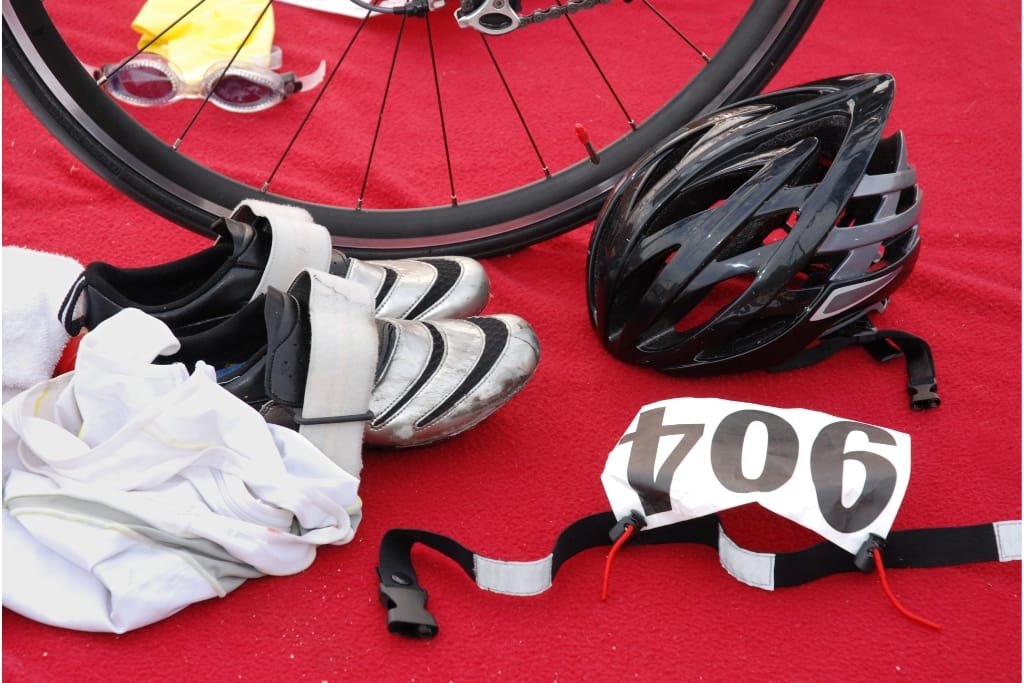
Starting a triathlon is exciting—but it can also feel overwhelming fast. The mix of swimming, cycling, and running often leads new athletes to believe they need a garage full of specialized equipment before they can even begin. That’s rarely true.
Most first-time triathletes succeed not because they own the “best” gear, but because they focus on comfort, safety, and simplicity. The right beginner triathlete gear removes friction, reduces stress, and lets you focus on training and enjoying race day.
What follows is a practical, experience-driven list of the 12 must-have gear items that truly matter for new triathletes—no hype, no pressure, and no unnecessary upgrades. This is the gear that helps you show up prepared without overspending or overthinking.
What “Must-Have” Really Means for Beginners
Before diving in, it helps to redefine “must-have.”
For new triathletes, must-have gear:
- Keeps you safe
- Keeps you comfortable
- Is race-legal
- Helps you move efficiently between swim, bike, and run
- Doesn’t require expert-level knowledge to use
Everything else can come later.
1)) A Comfortable, Well-Fitting Tri Suit or Performance Outfit
A tri suit is a single outfit designed to be worn for the swim, bike, and run. For beginners, it simplifies race day because there’s no need to change clothes mid-event.
That said, a tri suit is helpful—but not mandatory.
Beginner-friendly options:
- Entry-level tri suit
- Fitted athletic top + tri shorts
- Bike shorts + moisture-wicking shirt (for shorter races)
What matters most:
- No cotton
- Snug but not restrictive fit
- Minimal seams to reduce chafing
Padding should be light. Heavy cycling padding can feel uncomfortable on the run.
2)) Swim Goggles That Actually Fit Your Face
Poorly fitting goggles can ruin an otherwise solid swim. Leaks, fogging, or pressure headaches are common beginner frustrations.
Look for:
- A snug seal without over-tightening
- Anti-fog coating
- Adjustable straps
- Clear lenses for indoor/pool swims
- Tinted or mirrored lenses for open water and sunny races
Many experienced athletes carry two pairs on race day—just in case.
3)) A Swim Cap (Even If Races Provide One)
Most races supply a swim cap, but owning your own is still useful for training and comfort.
Benefits:
- Keeps hair out of your face
- Adds warmth in cooler water
- Improves visibility in open water
- Helps goggles stay in place
Silicone caps last longer and feel more comfortable than latex.
4)) A Road-Worthy Bike (Not Necessarily a Tri Bike)
This is where many beginners overspend.
You do not need a triathlon-specific bike to complete your first race. A road bike, hybrid bike, or even a well-maintained commuter bike is enough.
What matters:
- The bike fits your body
- The brakes work properly
- Gears shift smoothly
- Tires are in good condition
A professional bike fit is a bonus, but even basic adjustments to saddle height and handlebar reach can dramatically improve comfort.
5)) A Certified Bike Helmet (Non-Negotiable)
Helmets are mandatory at all triathlon races. If your helmet isn’t certified, you won’t be allowed to start.
Look for:
- Proper safety certification (CPSC, CE, or equivalent)
- Comfortable fit without pressure points
- Adjustable retention system
- Good ventilation
A properly fitted helmet should sit level on your head and not move when you shake it gently.
6)) Water Bottles and a Way to Carry Them
Hydration is critical, even for sprint-distance races.
At a minimum, you’ll need:
- One or two water bottles
- A bottle cage mounted on your bike frame
Fancy hydration systems are optional. Simple, reliable setups work best for beginners.
Practice grabbing and replacing bottles while riding in a safe area before race day.
7)) Basic Bike Repair Kit
Mechanical issues happen—even in short races. Carrying basic tools can save your day.
Starter repair kit:
- Spare inner tube
- Tire levers
- Mini pump or CO₂ inflator
You don’t need to be a bike mechanic, but knowing how to fix a flat is worth learning early, and investing in a bike repair kit is one of the best decisions you can make.
8)) Running Shoes You’ve Already Tested
Your running shoes matter more than almost any other piece of gear.
Ideal shoes for new triathletes:
- Comfortable from the first run
- Appropriate for your gait and foot shape
- Already broken in before race day
Avoid:
- Brand-new shoes on race morning
- Shoes chosen only for looks
- Excessively minimal shoes without adaptation
Many beginners succeed using the same running shoes they already train in.
9)) Moisture-Wicking Socks (or No Socks, If Practiced)
Some triathletes run sockless; others prefer moisture-wicking socks for comfort. Either approach works—as long as you practice it.
Choose socks that:
- They are thin and quick-drying
- Don’t bunch up when wet
- Prevent blisters
Never experiment with sock choices on race day.
10)) Race Belt for Bib Number
A race belt allows you to clip your bib on quickly during transitions instead of pinning it to your clothing.
Why beginners like race belts:
- Faster transitions
- No safety pins
- Adjustable for comfort
- Can be reused for future races
This small item often reduces race-day stress more than expected.
11)) Anti-Chafe Product
Chafing is one of the most common beginner mistakes—and one of the easiest to prevent.
Apply anti-chafe balm:
- Around the neck
- Under arms
- Inner thighs
- Along bra lines or seams
A small application of an anti-chafe balm before the race can make a huge difference in comfort.
12)) A Simple Transition Setup
You don’t need much for transition, but organization matters.
Helpful transition essentials:
- Small towel to mark your space
- Sunglasses
- Hat or visor (weather-dependent)
- Sunscreen
- Timing chip strap (often provided)
Lay gear out in the order you’ll use it. Simple setups reduce mistakes.
What Beginners Often Worry About (and Don’t Need To)
Many people searching for beginner triathlete gear worry they’re missing something critical. In reality, these items can wait:
- Triathlon bike
- Aero helmets
- Power meters
- Carbon-plated running shoes
- Expensive wetsuits (unless required by water temperature)
These upgrades matter later—not now.
Budget Tips for New Triathletes
Starting a triathlon doesn’t have to be expensive.
Smart ways to save:
- Use gear you already own
- Buy used bikes or helmets (from trusted sources)
- Borrow equipment for early races
- Upgrade gradually as commitment grows
Most experienced triathletes will tell you they wish they’d spent less on gear early and more on consistency and training.
How to Know You’re Ready
If you have:
- Safe swim gear
- A reliable bike and helmet
- Comfortable running shoes
- Simple transition basics
You’re ready.
Confidence comes from preparation—not from having the most equipment.
Conclusion
Triathlon rewards consistency far more than complexity. The right must-have gear supports your effort instead of distracting from it. For new athletes, success looks like finishing strong, feeling comfortable, and crossing the line proud—not owning every piece of high-end equipment.
Start with what you need. Learn as you go. Upgrade only when it truly adds value.
That mindset carries you much farther than gear ever will.
Download Our Free E-book!