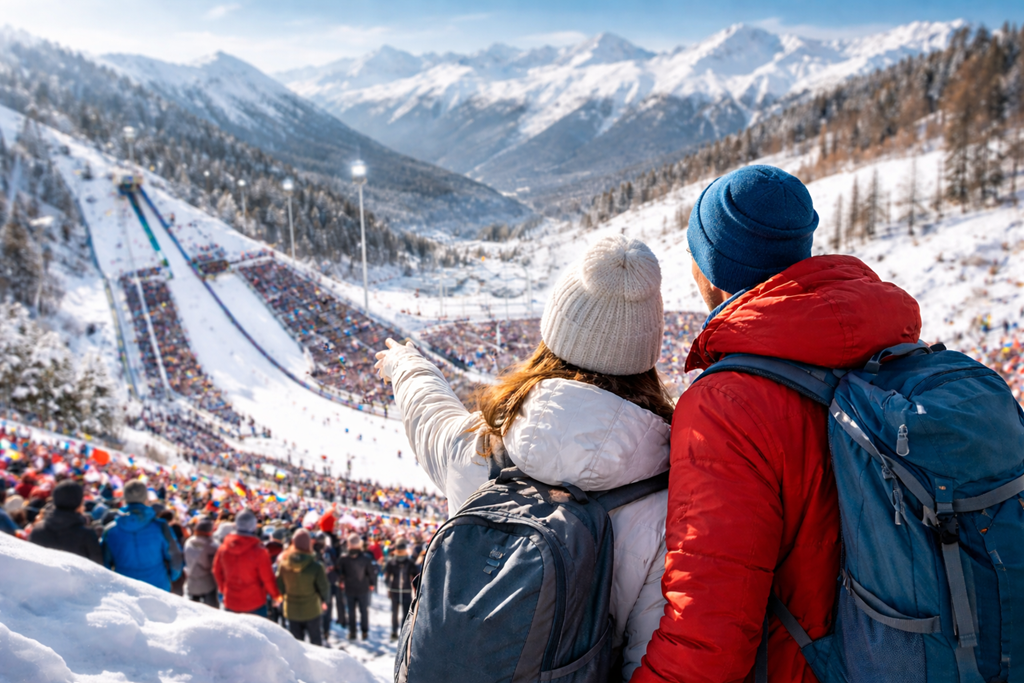
Attending the Winter Olympic Games in person is one of those experiences people talk about for the rest of their lives. It combines elite sport, global culture, and the unique energy that only the Olympics can create. At the same time, for first-time spectators, the idea of planning a trip like this can feel intimidating. There are tickets to understand, winter weather to prepare for, unfamiliar cities to navigate, and a lot of money on the line.
The good news is this: you do not need to be an expert traveler, a die-hard sports fan, or a logistics wizard to enjoy the Winter Olympics. With realistic expectations and a system-based approach, first-time spectators can plan a smooth, memorable trip without unnecessary stress or overspending. What matters most is knowing where to focus your energy and where you can safely keep things simple.
Below are 12 practical, experience-driven tips designed specifically for first-time Olympic spectators. These insights reflect what travelers most want to know before they go, the mistakes people often make, and the small decisions that make a big difference once you arrive.
1)) Start Planning Earlier Than You Think
One of the most common worries first-time spectators have is whether they are already “too late.” The reality is that Olympic trips do require earlier planning than typical vacations, but they do not require perfection.
Ideally, planning begins 12–18 months before the Games. That window offers you more flexibility with accommodations, better flight options, and a wider choice of tickets. However, even starting 6–9 months out is workable if expectations are adjusted.
The key is prioritization. Focus first on the elements that are hardest to change later:
- Accommodation availability
- Event tickets
- Transportation between venues
Everything else—restaurants, sightseeing, shopping—can remain flexible. Early planning is about securing your foundation, not locking in every detail.
2)) Understand the Ticket System Before Buying Anything
Olympic tickets are not like concert or theme park tickets, and misunderstanding this system causes a lot of unnecessary stress. Tickets are usually sold through official Olympic channels in phases, sometimes using lotteries, sometimes using first-come sales.
For first-time spectators, the most important things to know are:
- Always buy tickets from official sources
- Tickets are typically event-specific, not venue-wide
- Outdoor events often involve standing or basic seating
- Popular events sell out faster, but smaller events offer great value
Many people assume they need to attend “big name” events like figure skating finals to have an authentic experience. In reality, sports like curling, biathlon, speed skating, and Nordic skiing often provide better views, easier access, and a more relaxed atmosphere.
A balanced approach—one marquee event paired with several smaller ones—usually creates the best experience and keeps costs reasonable.
3)) Choose Events With Logistics in Mind, Not Just Popularity
First-time spectators often plan schedules based on what looks exciting on television. What television does not show is how far apart venues can be, how weather affects transportation, and how physically demanding moving between events can be in winter conditions.
When selecting events:
- Group events by geographic location
- Avoid scheduling back-to-back events in distant venues
- Allow extra travel time for mountain venues
- Limit yourself to one major event per day
The Winter Olympics are not meant to be rushed. Choosing fewer events with better spacing leads to a calmer, more enjoyable trip and reduces the risk of missing events due to delays.
This approach is one of the most overlooked Winter Olympic Games travel tips, yet it has the biggest impact on how relaxed your trip feels.
4)) Book Accommodation Strategically, Not Emotionally
Accommodation decisions can make or break an Olympic trip. Host cities and resort towns fill quickly, and prices rise fast. Many first-time spectators assume staying as close as possible to venues is always best, but that is not always true.
A smarter strategy is to:
- Stay near reliable public transportation
- Consider nearby towns with direct train access
- Prioritize heating, comfort, and quiet over luxury
- Book refundable options when possible
During the Winter Olympics, your hotel becomes a recovery space. Warm showers, reliable heat, and decent sleep matter more than views or fancy amenities. Being slightly farther away but well connected often results in a better overall experience.
5)) Build Your Transportation Plan Around Public Transit
Most Olympic host cities invest heavily in public transportation for the Games. Dedicated trains, shuttle buses, and Olympic lanes are designed to move large crowds efficiently, especially in winter conditions.
For first-time spectators:
- Public transportation is usually included with tickets
- Rental cars add stress and unexpected costs
- Winter driving in unfamiliar areas is risky
- Parking near venues is limited or restricted
Learning the transit system before arrival saves time and anxiety. Download official Olympic transportation apps, study maps, and plan routes the night before events. This preparation removes guesswork and makes event days far less stressful.
6)) Dress for Real Winter, Not Fashion Winter
One of the biggest surprises for first-time spectators is how cold outdoor events can feel, even if temperatures do not seem extreme on paper. Long periods of sitting or standing, combined with wind and snow, quickly amplify the cold.
The goal is comfort, not style. Effective winter clothing includes:
- Thermal base layers
- Insulated waterproof outer layers
- Warm, broken-in boots with traction
- Gloves, hats, scarves, and hand warmers
- Layering options to adjust indoors and outdoors
Being properly dressed allows you to enjoy the events rather than counting the minutes until you can leave. This is one of those Winter Olympic Games travel tips that sounds obvious but is often underestimated until it is too late.
7)) Budget More Than You Expect—Then Build in Flexibility
The Winter Olympics are expensive, and pretending otherwise leads to frustration. Prices for accommodation, food, and transportation are higher during the Games, especially near venues.
That said, costs are manageable with realistic planning:
- Set a daily spending buffer
- Eat one main meal away from venues
- Shop at grocery stores for breakfast and snacks
- Choose souvenirs selectively
The most important mindset shift is understanding that you do not need to do everything. It is okay to skip expensive ceremonies or premium seating. A well-paced, affordable trip is far more enjoyable than one built on financial stress.
8)) Plan Your Daily Schedule With Energy Levels in Mind
First-time spectators often overestimate how much they can do in a single day. Cold weather, walking on snow, and crowds are physically demanding, even for experienced travelers.
A sustainable daily plan includes:
- One main event per day
- Time to warm up indoors
- Breaks between travel and events
- At least one slower day during the trip
Permitting yourself to rest is not missing out. It is what allows you to stay present and enjoy the atmosphere throughout the Games.
Pro Tip: When attending a multi-day event like the Winter Olympics, energy management matters just as much as logistics. Investing in a printable PDF Daily Travel Itinerary helps you plan each day realistically—spacing out events, scheduling warm-up breaks, and avoiding the common mistake of overpacking your schedule. Having a clear, written plan makes it easier to balance excitement with rest, adjust on the fly when weather or transportation delays happen, and stay mentally relaxed knowing you’re not forgetting anything. For first-time spectators especially, a printed itinerary acts as a calm anchor in a fast-moving environment, keeping your days organized without relying solely on your phone battery or apps.
9)) Use Technology, But Always Have Backups
Digital tickets, mobile apps, and online maps are essential tools during the Winter Olympics. However, technology is not foolproof, especially in cold weather, where batteries drain faster.
Best practices include:
- Carrying a portable power bank
- Saving tickets offline
- Taking screenshots of maps and schedules
- Keeping printed copies of key confirmations
These small precautions prevent minor tech issues from becoming major disruptions.
10)) Prepare for Security, Crowds, and Waiting
Security at the Winter Olympics is thorough, and lines are part of the experience. First-time spectators are often surprised by how early they need to arrive at venues.
To reduce stress:
- Arrive earlier than instructed
- Pack light to move through security faster
- Dress so you can stand comfortably
- Expect waiting as part of the day
Mentally planning for crowds makes them easier to handle. Once you accept that waiting is normal, it becomes far less frustrating.
11)) Embrace the Olympic Experience Beyond the Events
The Winter Olympics are more than competitions. Cultural festivals, fan zones, public medal ceremonies, and sponsor pavilions offer free or low-cost ways to experience the spirit of the Games.
Many first-time spectators find these moments just as memorable as the events themselves. They provide warmth, entertainment, and a chance to interact with fans from around the world.
Leaving space in your schedule for these experiences creates balance and helps you avoid burnout.
12)) Let Go of the Idea of a “Perfect” Olympic Trip
Perhaps the most important tip for first-time spectators is this: there is no perfect Olympic itinerary. Events get delayed, weather changes plans, and unexpected moments reshape your schedule.
What makes the trip meaningful is not seeing everything, but being present for what you do experience. Some of the best memories come from unplanned conversations, shared excitement in a crowd, or discovering a sport you never expected to love.
Approaching the trip with flexibility and curiosity transforms challenges into stories you will tell for years.
Conclusion
Planning a trip to the Winter Olympics for the first time can feel overwhelming, but it does not have to be. With a calm, system-focused approach and realistic expectations, first-time spectators can create a trip that is exciting, manageable, and deeply rewarding.
By focusing on logistics early, budgeting honestly, dressing for real conditions, and permitting yourself to slow down, you set yourself up for success. These Winter Olympic Games Travel Tips are not about doing more—they are about enjoying more of what truly matters.
The Olympics are rare, powerful, and unforgettable. With thoughtful planning and a flexible mindset, your first Winter Olympic experience can be everything you hoped for, without unnecessary stress along the way.
Download Our Free E-book!