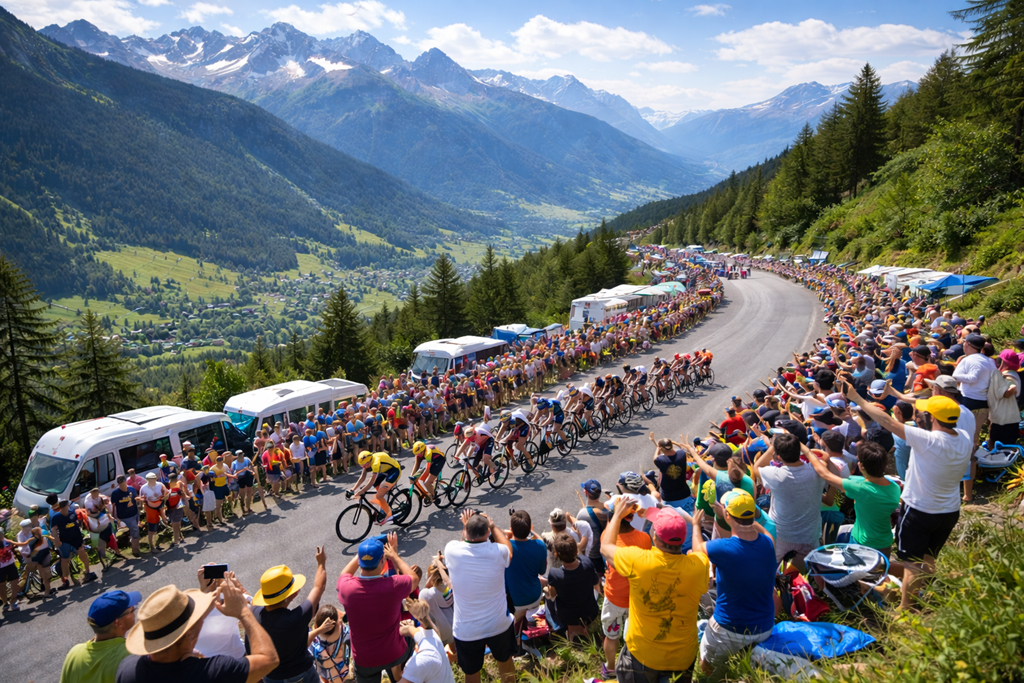
Watching the Tour de France in person is one of those rare travel experiences that feels both electric and deeply human. For a few weeks each summer, quiet villages, mountain roads, and historic cities across France turn into open-air stadiums. Fans line the roads for hours. Locals set out chairs and picnic tables. Strangers talk like old friends. And then, in a flash, the riders appear and disappear, leaving behind cheers, music, and memories that last far longer than the race itself.
At the same time, planning a spectator trip can feel intimidating. Routes change every year. Roads close. Accommodation fills quickly. First-timers often worry about missing the action or choosing the “wrong” place to watch. The good news is that with thoughtful planning, realistic expectations, and a bit of local know-how, a Tour de France spectator trip can be smooth, affordable, and incredibly rewarding.
Below are 15 practical, experience-based tips designed to help you feel confident at every stage of your Tour de France trip planning—from choosing stages to standing roadside on race day.
1)) Understand What You’re Really Going to See
Before booking anything, it helps to reset expectations. The Tour de France is not a stadium sport. Riders pass most viewing spots in seconds, not minutes. The magic lies in the atmosphere leading up to that moment: the anticipation, the crowds, the publicity caravan, and the shared excitement with people from all over the world.
Once you embrace that reality, planning becomes easier. You stop chasing “perfect” views and start prioritizing places that offer a full-day experience rather than just a brief glimpse of the peloton.
2)) Follow the Route Announcement Closely
The official route is usually announced months in advance. This single document shapes every other decision—where to stay, how long to travel, and which regions to focus on.
When reviewing the route:
- Note start towns, finish towns, and rest days
- Identify mountain stages versus flatter stages
- Look for clusters of stages in the same region
Smart Tour de France trip planning often means choosing a region with multiple nearby stages instead of chasing the race across the entire country.
3)) Choose the Right Type of Stage for Your Travel Style
Not all stages deliver the same spectator experience. Understanding the differences helps you avoid disappointment.
Mountain stages are dramatic and festive, with riders climbing slowly enough to see clearly. They also require early arrivals and long waits.
Sprint finishes are high-energy but crowded. They’re easier logistically and great for first-timers.
Time trials offer the most sustained viewing, as riders pass individually over several hours.
There is no “best” stage—only the one that matches your patience level, mobility, and travel pace.
4)) Book Accommodation Earlier Than You Think
Accommodation sells out quickly in popular stage towns, especially in the Alps, Pyrenees, and Paris. Prices rise fast, and options shrink.
A reliable strategy is to:
- Stay one town over from start or finish locations
- Choose places with train or bus access
- Book flexible rates when possible
Being slightly outside the epicenter often results in better sleep, lower costs, and less stress.
5)) Do Not Base Your Trip on Paris Alone
The final stage in Paris is iconic, but it represents only a fraction of what makes the Tour special. Paris is crowded, expensive, and logistically complex during race week.
If your schedule allows, balance the finale with time in smaller towns or mountain regions. Many travelers find that their most meaningful memories come from quiet roadside moments far from the grandstands.
6)) Respect Road Closures and Build Your Day Around Them
Road closures define the Tour de France experience. On race day, access roads can close hours before the riders arrive, especially in mountain areas.
Plan each stage day by working backward:
- Identify closure times
- Choose arrival times with a buffer
- Decide how you’ll leave after the race
When spectators struggle, it’s rarely because of crowds—it’s because they underestimated closures.
7)) Arrive Early and Embrace the Wait
Waiting is part of the Tour. In mountain stages, that wait can stretch six hours or more.
Rather than fighting it, plan for it:
- Bring food, water, and sun protection
- Settle into a comfortable viewing spot
- Talk to locals and fellow fans
The waiting period often becomes the highlight, not the inconvenience.
8)) Know What to Bring—and What to Leave Behind
Packing smartly can make or break your race-day experience.
Bring:
- Water and snacks
- Sunscreen and hats
- Layers for changing weather
- Portable seating if needed
Leave behind:
- Large backpacks
- Glass containers
- Anything that limits mobility
Travel light. You’ll move more than you expect.
9)) Use Public Transport When Possible
Trains and regional buses are often the most efficient way to reach stage towns. Driving can be convenient in rural areas, but parking becomes challenging near popular climbs.
Many experienced spectators:
- Drive to a nearby town
- Park early
- Walk or bike the final stretch
This hybrid approach avoids gridlock and frustration.
10)) Learn the Rhythm of Race Day
A typical race day follows a predictable flow:
- Publicity caravan passes (often 1–2 hours before riders)
- Breakaway riders appear
- Main group follows
- Support vehicles trail behind
Knowing this rhythm prevents confusion and helps you time meals, breaks, and movement.
11)) Treat the Publicity Caravan as Part of the Event
First-time spectators often underestimate the caravan. It’s loud, colorful, playful, and generous with giveaways. For families, especially, it adds energy and entertainment long before the riders arrive.
If you only show up for the cyclists, you’re missing half the experience.
12)) Manage Expectations Around Viewing Time
The Tour rewards presence, not duration. Riders may pass in seconds, but the emotion of that moment stays with you.
Avoid disappointment by reframing success:
- You don’t need photos of every rider
- You don’t need to be front row
- You do need to be present and attentive
Those few seconds are powerful when you’re ready for them.
13)) Balance Race Days With Rest and Sightseeing
Trying to attend stages every single day leads to burnout. Build in rest days or sightseeing days between race experiences.
Many regions on the route offer:
- Historic towns
- Local markets
- Scenic hikes
- Vineyards and cafés
Good Tour de France trip planning balances adrenaline with recovery.
14)) Be Flexible When Things Don’t Go Perfectly
Weather changes. Trains run late. Roads close earlier than expected. Flexibility is not optional—it’s essential.
When plans shift:
- Ask locals for advice
- Follow signage and volunteers
- Adjust expectations calmly
The Tour rewards adaptability far more than rigid schedules.
15)) Remember Why You Came
The Tour de France is about more than cycling. It’s about place, people, and shared moments. The conversations with strangers, the quiet mountain mornings, the collective cheer as riders appear—those are the memories that linger.
When things feel hectic, step back and take it in. You’re part of something uniquely human and fleeting.
Pro-Tip: Long flights to France are often the first leg of a Tour de France adventure, and how you arrive can shape how much you enjoy those early race days. Wearing compression socks for flying helps improve circulation during extended time in the air, reduces leg swelling and fatigue, and may help lower the risk of blood clots associated with long-haul travel. Arriving with fresher legs makes it easier to walk stage towns, stand roadside for hours, and fully enjoy the experience you planned for in 15 Tips To Plan A Tour de France Spectator Trip.
Conclusion
A successful spectator trip is not about perfection. It’s about preparation, curiosity, and patience. When you understand how the race moves through towns and landscapes, the experience becomes less intimidating and far more enjoyable.
Thoughtful Tour de France trip planning allows you to trade stress for confidence, confusion for clarity, and rushed moments for meaningful ones. Whether you’re watching from a legendary climb or a quiet village road, the experience rewards those who slow down and lean into it.
If you plan with intention, respect the rhythm of the race, and remain open to the unexpected, your Tour de France spectator trip will stay with you long after the riders roll on to the next stage.
Download Our Free E-book!