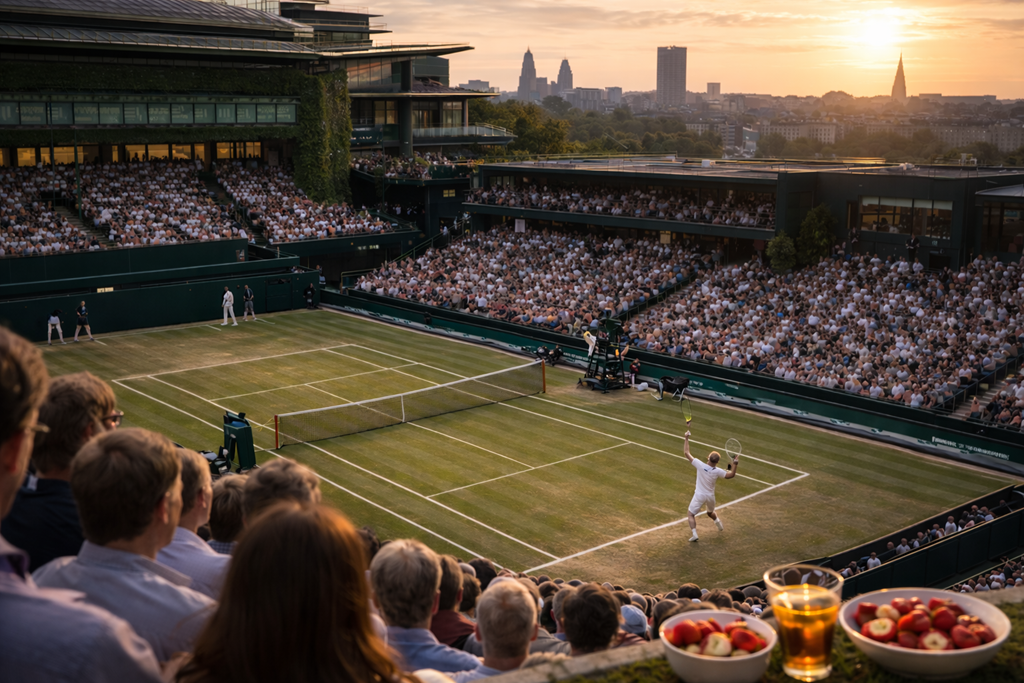
Watching world-class tennis at the Wimbledon Championships and experiencing London’s cultural depth don’t have to compete for your time. With thoughtful pacing, smart transport choices, and a clear sense of what you want from each day, you can enjoy both without feeling rushed—or missing the magic of either.
Below are fifteen proven ways seasoned spectators blend match days with sightseeing, keeping the experience polished, relaxed, and memorable.
1)) Choose Ticket Types That Support Flexible Days
Your ticket determines your freedom. Reserved seats on Centre Court or No. 1 Court usually anchor you to a specific session, while Grounds Passes allow wandering and earlier departures.
If sightseeing matters, aim for:
- Weekday sessions (lighter crowds, easier transport)
- Afternoon or evening show-court tickets that leave mornings open
- Grounds Pass days when you want the option to leave early
Flexibility at the ticket stage sets the tone for the entire trip.
2)) Separate “Anchor Moments” From “Flow Time”
Think in terms of anchors and flow. Matches are anchors; sightseeing fills the flow around them. Instead of over-scheduling, choose one major sight per half-day and leave the rest open for cafés, walks, and spontaneous discoveries. London rewards unhurried curiosity.
3)) Sightsee in Central London Before Afternoon Matches
Morning sightseeing works beautifully when you’re heading to Wimbledon later. Central London attractions open early, are well-connected, and can be experienced efficiently.
Strong morning options include:
- A riverside walk from Westminster toward the South Bank
- A focused museum visit (one or two galleries, not all of them)
- A stroll through St James’s Park and The Mall
By midday, you can transition south without stress.
4)) Make Transport Part of the Experience
Getting to Wimbledon is straightforward—and surprisingly scenic if you let it be. Trains and the District Line connect the tournament grounds to central London in under 45 minutes. Using a contactless or an Oyster card keeps movement seamless.
Plan the journey as a pause between experiences, not a chore. A quiet train ride can be the perfect reset between sightseeing and match play.
5)) Stay Central, Not Near the Grounds
While staying near Wimbledon sounds convenient, central neighborhoods give you far more flexibility for combined days. Areas like Covent Garden, South Bank, Soho, and Kensington allow you to:
- Sightsee early or late without long returns
- Enjoy dinner and theatre after matches
- Adapt quickly if the weather or schedules change
The commute to Wimbledon is manageable; the payoff in evening options is worth it.
6)) Use Wimbledon Mornings for Calm, Not Chaos
If your matches begin later, resist the urge to rush. Wimbledon mornings are perfect for a leisurely breakfast, a short walk, or some light shopping. Avoid stacking activities before matches—arriving calm enhances the entire tennis experience.
A composed morning sets a different tone than a checklist-driven sprint.
7)) Pair Early Wimbledon Days With Evening Sightseeing
Many spectators leave the grounds in the early evening, especially on non-finals days. This opens a perfect window for London at its most atmospheric.
After matches, consider:
- A Thames evening walk as the lights reflect on the water
- Dinner in Covent Garden or Soho
- A West End performance
- A rooftop view over the skyline
Evenings don’t require intensity—just intention.
8)) Build a “Light Sightseeing” Backup Plan
Weather delays happen. Matches can pause. Instead of frustration, use this time for nearby, low-effort experiences:
- The Wimbledon Lawn Tennis Museum
- Wimbledon Village cafés
- A gentle walk on Wimbledon Common
These moments often become unexpected highlights—and keep the day enjoyable regardless of play.
9)) Save Major Museums for Non-Match Days
While it’s tempting to fit everything into one day, museums deserve focus. Reserve full museum visits for days without matches. On tennis days, opt for shorter experiences or outdoor sights that don’t demand hours of attention.
This balance preserves energy—and appreciation.
10)) Prioritize Walkable Sightseeing Clusters
London rewards clustering. Choose areas where multiple attractions sit within walking distance so you can see more without feeling hurried.
Effective clusters include:
- Westminster to South Bank
- Covent Garden to Soho
- Tower Bridge to Borough Market
- Kensington Gardens to museums
Walking keeps the day fluid and prevents transport fatigue.
11)) Dress for Transitions, Not Just Tennis
Comfort matters when combining activities. Wimbledon style leans polished, but you’ll also walk more than expected.
Smart choices include:
- Breathable layers
- Comfortable, refined shoes
- A compact bag within Wimbledon guidelines
- Sun and rain protection
Looking appropriate while staying comfortable allows you to move confidently from courts to city streets.
12)) Let Food Anchor Your Day
Meals create a natural structure. Instead of squeezing sightseeing around arbitrary times, use meals as anchors.
Examples:
- Brunch before heading south
- Late lunch inside Wimbledon
- Dinner back in central London
London’s food scene is part of the sightseeing—lean into it.
13)) Keep One Day Completely Tennis-Focused
Paradoxically, the best way to combine both worlds is to occasionally separate them. Choose one day to fully immerse yourself in Wimbledon—queue, explore the grounds, watch multiple matches—without any sightseeing pressure.
This makes the mixed days feel lighter and more enjoyable.
14)) Plan With Energy, Not Just Time
The most common mistake is overestimating energy. Tennis days involve standing, walking, sun exposure, and sensory stimulation.
Balance high-energy sightseeing with restorative moments:
- Parks
- River walks
- Café breaks
- Evenings without reservations
Sustainable pacing leads to better memories.
15)) Leave Space for the Unplanned
Some of the best Wimbledon-London combinations happen spontaneously: an unexpected match, a last-minute dinner reservation, a sunset walk you didn’t plan.
Leave margin in every day.
A well-planned trip still needs room to breathe.
Sample Day Combinations
Morning London → Afternoon Tennis → Evening Stroll
- Morning: Westminster walk and coffee
- Afternoon: Wimbledon matches
- Evening: South Bank walk and casual dinner
Tennis-First Day With Relaxed Evening
- Morning: Wimbledon arrival and matches
- Afternoon: Grounds exploration
- Evening: Wimbledon Village pub or quiet central London dinner
Non-Match Sightseeing Reset
- Morning: Museum visit
- Afternoon: Shopping or park time
- Evening: Theatre or skyline views
Pro-Tip: Long-haul flights to London can take a toll before your Wimbledon experience even begins. Wearing compression socks for flying helps improve circulation, reduce leg swelling, and support blood flow during extended periods of sitting, which may help lower the risk of developing blood clots on long flights. That extra comfort and support make it easier to transition from the plane to full days of Wimbledon matches and walking-based London sightseeing without fatigue slowing you down. Arrive in London comfortable, energized, and ready for Wimbledon and the city.
Conclusion
Combining Wimbledon Championship matches with London sightseeing isn’t about doing more—it’s about doing both well. With thoughtful pacing, flexible planning, and an appreciation for atmosphere over accumulation, you can experience elite tennis and one of the world’s greatest cities in harmony.
When the matches end, and the city lights come on, you’ll realize the trip wasn’t divided between tennis and sightseeing—it was elevated by the balance of both.
Download Our Free E-book!