Anxiety has a way of making everyday life feel heavier than it needs to be. Thoughts race. The body feels tense. Small tasks suddenly feel overwhelming. If you’re dealing with anxiety, you’re not weak, broken, or failing at life. You’re human—and your nervous system may be stuck in a state of high alert.
Many people want relief without immediately turning to medication. Some want to avoid side effects. Others prefer to start with lifestyle changes that feel more natural and sustainable. And many are simply looking for tools they can use right now—without pressure, perfection, or complicated routines.
There are gentle, realistic ways to calm anxiety without medication. Not quick fixes. Not miracle cures. But simple practices that help the body and mind feel safer, steadier, and more grounded over time.
Below are seven evidence-informed, practical strategies that meet people where they are. You don’t need to do all of them. Even one small change can begin to shift how anxiety shows up in your day.
Understanding Anxiety Before Trying to “Fix” It
Anxiety isn’t just in your head. It’s a full-body experience driven largely by the nervous system. When your brain senses threat—real or perceived—it activates the fight-or-flight response. Heart rate increases. Muscles tense. Breathing becomes shallow. Thoughts scan for danger.
The goal isn’t to eliminate anxiety. That’s not realistic or even healthy. The goal is to teach the nervous system that it’s safe to stand down more often.
The following approaches focus on exactly that.
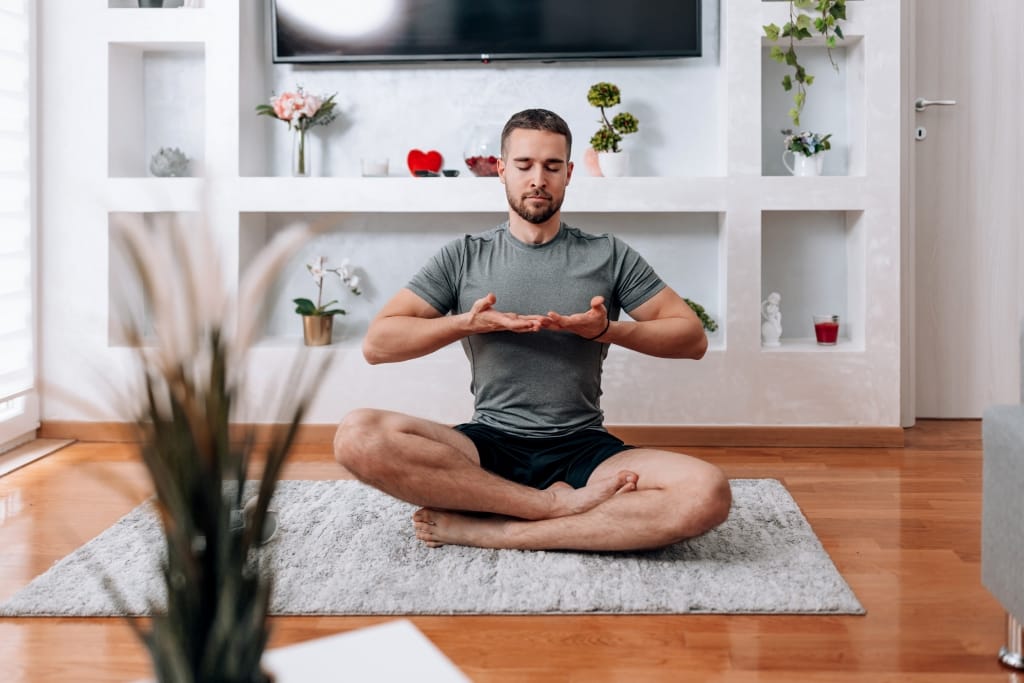
1)) Calm the Nervous System With Slower Breathing
When anxiety spikes, breathing is one of the fastest ways to signal safety to the body.
Shallow, rapid breathing tells the brain something is wrong. Slow, controlled breathing does the opposite. It activates the parasympathetic nervous system—the part responsible for rest and calm.
A Simple Breathing Pattern That Actually Helps
You don’t need fancy techniques. Start here:
- Inhale through your nose for 4 seconds
- Exhale slowly through your mouth for 6 seconds
- Repeat for 2–5 minutes
The longer exhale is key. It tells your nervous system to downshift.
When to Use It
- During anxious moments
- Before stressful conversations
- While lying in bed at night
- Anytime your thoughts feel loud
This isn’t about “breathing anxiety away.” It’s about gently lowering the volume so you can think more clearly.
2)) Reduce Anxiety by Stabilizing Blood Sugar
This one surprises many people.
Blood sugar swings can mimic anxiety symptoms: shakiness, irritability, racing heart, lightheadedness. If you’ve ever felt anxious when hungry, this may be part of the picture.
Simple Nutrition Adjustments That Help
You don’t need a strict diet. Focus on balance.
- Eat regular meals
- Pair carbs with protein or fat
- Avoid long stretches without food
- Limit excessive sugar on an empty stomach
Foods That Support Steadier Energy
- Eggs, yogurt, nuts, seeds
- Oats with nut butter
- Chicken, fish, beans
- Vegetables and whole grains
Stable energy often means a calmer baseline. This is one of the most overlooked Ways To Reduce Anxiety Without Medication, yet it can make a noticeable difference.
3)) Move Your Body—Gently and Consistently
Movement helps anxiety not because it distracts you, but because it releases stored stress from the body.
When anxiety builds, stress hormones like cortisol and adrenaline circulate. Movement gives them somewhere to go.
What Kind of Movement Works Best?
It doesn’t need to be intense.
- Walking
- Gentle yoga
- Stretching
- Light strength training
- Slow cycling
Even 10 minutes counts.
Why Gentle Movement Matters
Overly intense workouts can increase anxiety for some people, especially when the nervous system is already overstimulated. The goal is regulation, not exhaustion.
Consistency matters more than intensity.
4)) Practice Grounding to Interrupt Racing Thoughts
Anxiety often lives in the future: What if this happens? What if I mess up? What if something goes wrong?
Grounding techniques bring attention back to the present moment—where you’re usually safe.
The 5-4-3-2-1 Grounding Method
This works well during anxiety spikes or mild panic:
- Name 5 things you can see
- 4 things you can feel
- 3 things you can hear
- 2 things you can smell
- 1 thing you can taste
This gently pulls your brain out of threat mode and into the here and now.
Why It Helps
You’re not arguing with anxious thoughts. You’re redirecting attention. That’s often more effective.
5)) Improve Sleep Without Chasing Perfection
Poor sleep and anxiety feed each other. Anxiety disrupts sleep. Lack of sleep increases anxiety.
The goal isn’t perfect sleep—it’s better sleep.
Small Sleep Habits That Matter
- Go to bed and wake up at roughly the same time
- Dim lights in the evening
- Avoid stimulating content before bed
- Keep the bedroom cool and quiet
If Anxiety Shows Up at Night
This is common. When distractions fade, thoughts get louder.
Try:
- Writing worries down before bed
- Listening to calming audio
- Slow breathing while lying down
- Reminding yourself that rest still counts, even if sleep is light
Sleep anxiety improves when pressure decreases.
6)) Use Writing to Get Anxiety Out of Your Head
Anxious thoughts multiply when they stay trapped internally.
Writing gives them an exit.
Simple Writing Practices That Help
You don’t need to journal beautifully or consistently.
- Brain dump worries onto paper
- Write what you’re afraid of—and what’s in your control
- List what you handled well today
- Write one small plan for tomorrow
Why This Works
Seeing thoughts on paper makes them feel more manageable. It creates distance between you and the anxiety.
This practice supports many Ways To Reduce Anxiety Without Medication because it shifts mental load without suppression.
7)) Reduce Stimulation to Create Mental Space
Modern life constantly stimulates the nervous system—notifications, news, social media, background noise.
For someone with anxiety, this can keep the system stuck in overdrive.
Gentle Ways to Lower Stimulation
- Limit news intake
- Take short breaks from social media
- Spend quiet time without devices
- Create calm morning or evening routines
You Don’t Have to Disconnect Completely
This isn’t about cutting everything out. It’s about choosing moments of calm so your system can reset.
Less stimulation often leads to fewer anxious spikes.
Common Questions People Have About Reducing Anxiety Naturally
Does This Really Work Without Medication?
For many people, yes—especially when anxiety is mild to moderate. These strategies support regulation and resilience. They’re also useful alongside therapy or medication if needed.
How Long Does It Take to Notice a Difference?
Some tools, like breathing and grounding, help immediately. Others build over days or weeks. Progress often looks subtle at first—less intensity, faster recovery, more calm moments.
What If One Method Doesn’t Work?
That’s normal. Anxiety is personal. What helps one person may not help another. The key is experimenting gently, without pressure.
Is It Okay to Need More Support?
Absolutely. Using natural tools doesn’t mean you’ve failed if you also need professional help. Support is not weakness—it’s wisdom.
A Realistic Perspective on Healing Anxiety
Anxiety rarely disappears overnight. It softens when the nervous system learns that it doesn’t need to stay on high alert all the time.
Progress often looks like:
- Fewer intense spikes
- Faster recovery after stress
- More confidence in handling discomfort
- Less fear of anxiety itself
These Ways To Reduce Anxiety Without Medication are not about controlling yourself. They’re about creating safety—internally and externally—so your system can breathe again.
Conclusion
If anxiety has been part of your life, start small. Choose one practice. Try it consistently for a week. Notice what shifts.
You don’t need to fix everything. You don’t need to feel calm all the time. You need tools that help you feel more steady, more capable, and more at ease in your own body.
And that is possible—one gentle step at a time.
Medical Disclaimer
The information provided in this article is for educational and informational purposes only and is not intended as medical advice. It should not be used as a substitute for professional medical advice, diagnosis, or treatment. Always seek the guidance of your physician, healthcare provider, or another qualified medical professional with any questions you may have regarding anxiety, a medical condition, or your health. Never disregard or delay seeking professional medical advice because of something you have read here. If you are experiencing severe, persistent, or worsening anxiety symptoms or believe you may be in a medical emergency, please contact your healthcare provider or seek immediate medical attention.
Download Our Free E-book!