Improving your heart health does not have to mean changing everything about the way you eat, move, sleep, and live. For many people, the most realistic place to begin is with a few small habits that lower daily strain on the body and make healthier choices easier to repeat.
That might mean walking a little more, adding one heart-supportive food to a meal, getting to bed a bit earlier, checking your blood pressure, or making one less-processed choice more often. None of these changes need to be dramatic to matter.
Heart health is built through repeated patterns, not one perfect week.
That is the part many people miss. They picture heart-healthy living as a major life reset: strict meals, intense exercise, complicated tracking, and giving up everything they enjoy. But the habits most often recommended by trusted heart-health organizations are surprisingly ordinary: move regularly, eat more nourishing foods, avoid tobacco, sleep well, manage weight, and keep an eye on blood pressure, cholesterol, and blood sugar. The American Heart Association summarizes these as part of its “Life’s Essential 8,” which includes eating better, being more active, quitting tobacco, getting healthy sleep, managing weight, controlling cholesterol, managing blood sugar, and managing blood pressure.
For a normal person with a busy life, that can be reassuring. You do not need to become a different person overnight. You need to start making the next healthy choice easier than the old default.
Heart Health Usually Improves Through Small Patterns, Not Big Personal Reinventions
When people think about improving heart health, they often imagine a dramatic before-and-after moment. They decide they need to clean out the kitchen, start a strict diet, join a gym, track every number, and become perfectly consistent.
That kind of energy can feel motivating for a few days. Then real life returns.
Work gets busy. Sleep gets interrupted. Meals happen on the go. Family needs come first. Stress builds. The old routine becomes easier than the new one, not because the person does not care, but because the new routine was too heavy to carry.
A more realistic approach is to ask: What heart-supportive habits can fit into the life I already have?
That question changes the whole tone. Instead of trying to overhaul your life, you begin looking for small places where your current routine can become a little more supportive.
A short walk after dinner. A glass of water before another snack. A vegetable added to a meal you already eat. A bedtime that moves 15 minutes earlier. A doctor’s appointment you stop postponing. These choices may not look dramatic, but they can become the kind of repeatable patterns that support long-term health.
The CDC notes that healthy habits can help prevent heart disease and specifically highlights choosing healthy foods and drinks, maintaining a healthy weight, getting regular physical activity, and not smoking. It also notes that managing medical conditions can lower risk.
The First Shift Is To Make Movement Easier To Repeat
You do not have to start with intense workouts to support your heart. For many people, the best first step is simply becoming less sedentary and more consistent with movement.
That might look like walking around the block, taking the stairs when it makes sense, stretching during a work break, pacing during a phone call, or doing a few minutes of gentle movement in the morning.
The point is not to prove anything. The point is to remind your body that movement belongs in your day.
Regular physical activity can help lower heart disease risk and support other risk factors such as blood pressure, cholesterol, blood sugar, and weight. Mayo Clinic recommends regular daily activity and notes that people who have not been active may need to work up slowly.
This is where many people accidentally make heart health harder than it needs to be. They compare a short walk to an ideal gym routine and decide the walk is not enough. But a habit you can repeat is often more useful than a perfect plan you avoid.
Start with movement you can imagine doing again tomorrow.
Eating For Your Heart Can Begin With Additions, Not Restriction
Heart-healthy eating is often misunderstood as a list of foods to avoid. While some limits matter, especially around highly processed foods, sodium, excess saturated fat, and added sugars, many people do better when they begin with what they can add.
Add a fruit you actually like. Add a vegetable to a meal you already make. Add a higher-fiber grain. Add beans, lentils, nuts, or other nourishing foods where they fit naturally. Add water earlier in the day. Add a simpler meal option for nights when you are tired.
This matters because heart-healthy eating is easier to sustain when it feels like support, not punishment.
Mayo Clinic’s heart-healthy diet guidance includes eating more vegetables and fruits, choosing whole grains, limiting unhealthy fats, choosing lower-fat protein sources, and limiting sodium. It also emphasizes simple swaps, such as choosing whole grains instead of refined grain products.
A helpful reframe is this: you are not trying to eat perfectly. You are trying to make your usual meals a little more supportive more often.
That could mean oatmeal instead of a sugary breakfast a few days a week. A side salad with lunch. Baked fish or beans instead of a heavier option sometimes. A smaller portion of salty snack foods. More home-prepared meals when possible.
These are not glamorous changes, but they are often the changes people can live with.
Sleep And Stress Deserve A Place In The Conversation
Heart health is not only about food and exercise. Sleep, stress, and recovery also shape how the body functions day after day.
When sleep is short, routines get harder. Food choices may become more impulsive. Exercise feels less appealing. Stress feels bigger. The body has less time to recover. Over time, that can make every other health habit feel more difficult.
The American Heart Association includes healthy sleep as one of its Life’s Essential 8. Its fact sheet states that adults should aim for an average of 7 to 9 hours of sleep and notes that too little or too much sleep is associated with heart disease.
That does not mean every person can instantly fix their sleep. Parents, caregivers, shift workers, people with anxiety, and people with demanding schedules may have real barriers. But it does mean sleep belongs in the heart-health picture.
A calmer evening routine, a more consistent bedtime, less late-night scrolling, or a small wind-down habit may support more than just rest. It may make tomorrow’s heart-supportive choices easier too.
Stress works the same way. You may not be able to remove every source of stress, but you can create small recovery points inside your day: a walk, a few slower breaths, a quiet lunch, a boundary around work messages, a conversation with someone steady, or a few minutes away from noise.
The goal is not a stress-free life. The goal is to give your body fewer days where it feels like it is always bracing.
Knowing Your Numbers Can Make The Process Less Vague
Heart health can feel confusing because so much of it is invisible. You may not feel your blood pressure rising. You may not know your cholesterol levels by guessing. Blood sugar changes can go unnoticed for a long time.
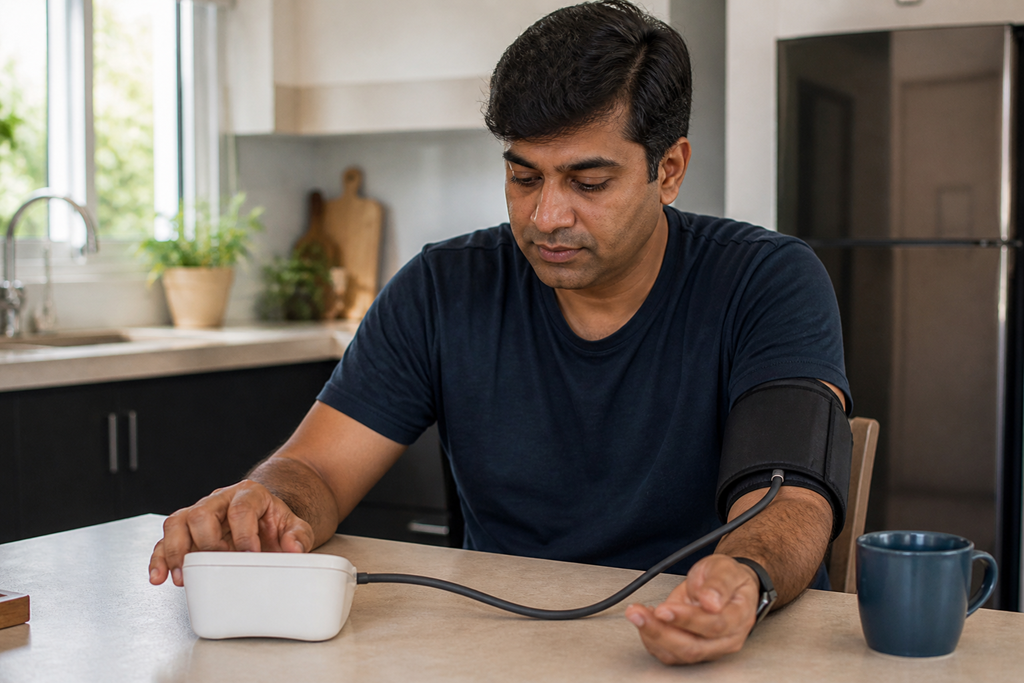
That is why one of the simplest heart-health actions is not flashy at all: know the basic numbers your healthcare provider wants you to monitor.
For many adults, that may include blood pressure, cholesterol, blood sugar, weight-related measures, and other personal risk factors based on age, family history, medications, and health conditions.
This is not about obsessing over numbers. It is about replacing vague worry with useful information.
The CDC notes that keeping blood pressure, cholesterol, and blood sugar levels in a healthy range can lower the risk of heart disease and heart attack.
If you have not had a checkup in a while, scheduling one may be one of the most practical “easy ways” to begin. A doctor can help you understand what matters most for your situation, especially if you have a family history of heart disease, high blood pressure, diabetes, high cholesterol, chest discomfort, shortness of breath, or other concerns.
Lifestyle habits are powerful, but they are not a replacement for medical care.
The Biggest Mistake Is Trying To Fix Everything At Once
One common reason people do not stick with heart-healthy changes is that they start too broadly.
They try to improve their diet, exercise, sleep, stress, weight, hydration, cholesterol, blood pressure, and morning routine all in the same week. On paper, that sounds ambitious. In real life, it often creates pressure.
Pressure turns health into a pass-or-fail project.
A better approach is to choose one or two changes that feel realistic enough to repeat. Once those become easier, you can add another.
For example:
You might begin by walking for 10 minutes after dinner three days a week.
Or you might add fruit to breakfast and vegetables to dinner.
Or you might set a simple bedtime cue so your evenings do not drift as late.
Or you might schedule the checkup you have been avoiding.
None of these changes covers everything. That is the point. You are not building a new identity in one week. You are reducing friction around the next helpful choice.
Heart-Healthy Living Should Still Feel Like Your Life
A heart-healthy life does not have to be joyless, rigid, or built around constant self-monitoring. It should still include pleasure, family meals, rest, flexibility, culture, celebration, and real life.
The goal is not to make every choice perfect. The goal is to make supportive choices more normal.
That might mean finding a form of movement you do not dread. Cooking simple meals instead of complicated ones. Keeping healthy foods visible. Making sleep feel like care rather than discipline. Asking your doctor better questions. Letting small changes count.
This kind of approach may not feel dramatic, but it is often what makes it sustainable.
If you want to improve your heart health without overhauling your life, begin with the next small change that feels repeatable. Make it ordinary. Make it easy enough to return to. Let it become part of your normal routine before adding more.
Your heart does not need a perfect lifestyle to benefit from better patterns. It needs steady support, one realistic habit at a time.
Download Our Free E-book!