Making everyday meals feel more special does not require expensive ingredients, complicated recipes, or restaurant-level presentation. Most of the time, it comes from small habits that help ordinary food feel more intentional.
A foodie lifestyle is not only about chasing rare ingredients or elaborate meals. At its best, it is about paying closer attention to food, flavor, comfort, and the small rituals that make eating feel more enjoyable. A simple lunch, a weeknight dinner, or a quiet breakfast can feel more satisfying when there is a little more care around it.
For many people, everyday meals start to feel repetitive because they happen on autopilot. Food becomes something to get through, not something to experience. That does not mean every meal needs to become an event. It simply means there are small ways to bring back a sense of pleasure, presence, and personality.
Special Meals Do Not Have To Be Complicated Meals
One of the biggest misunderstandings about making food feel special is assuming it has to be impressive.
A meal can feel special because it is warm, colorful, thoughtfully plated, or eaten without rushing. It can feel special because there is a good sauce on the side, a cloth napkin instead of a paper towel, or a favorite drink poured into a real glass. These details are small, but they change the feeling of the meal.
A bowl of soup with toasted bread can feel more satisfying when the bread is crisp, the bowl is comfortable to hold, and there is a sprinkle of herbs or pepper on top. A basic salad can feel more enjoyable when the textures are balanced and the dressing tastes fresh. Even leftovers can feel better when they are reheated gently and served like a real meal instead of eaten straight from a container.
The goal is not perfection. The goal is attention.
Everyday Food Feels Better When It Has A Point Of Focus
Meals often feel flat when everything on the plate feels random. One simple way to make food feel more special is to give the meal a small point of focus.
That might be a bright flavor, like lemon, vinegar, salsa, pickled onions, or fresh herbs. It might be a texture, like toasted nuts, crispy bread crumbs, roasted chickpeas, or a crunchy salad. It might be warmth, creaminess, spice, or freshness.
This does not mean every dish needs to be complex. It means one thoughtful element can make the whole plate feel more complete.
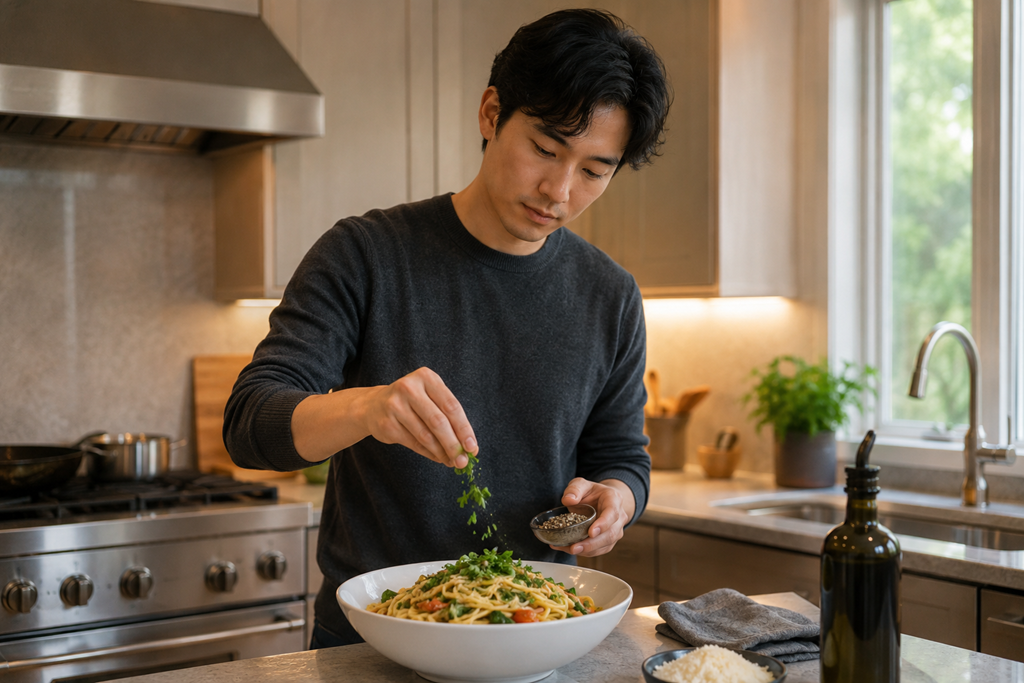
A simple rice bowl feels more intentional with a flavorful sauce. Scrambled eggs feel more finished with herbs or a side of fruit. Pasta feels more satisfying with a little grated cheese, cracked pepper, or olive oil added at the end. These finishing touches are often what make a meal feel cared for.
The Setting Changes How The Meal Feels
Food is not experienced only through taste. The environment matters too.
A cluttered counter, harsh lighting, or eating while scrolling can make even good food feel forgettable. A calmer setting can make a basic meal feel more grounding. This does not require a formal table setting. It may be as simple as clearing one spot, sitting down, using a favorite plate, or turning on softer lighting.
Small environmental cues tell your brain, “This is a meal.” That matters because many people eat while multitasking, standing, rushing, or thinking about the next responsibility. When meals are treated like interruptions, they rarely feel enjoyable.
A foodie lifestyle habit can be as simple as creating a small pause around food. Not every time, not perfectly, but often enough that eating feels more like part of life instead of another task.
Repetition Feels Better With Small Variations
Everyday meals often become boring because people repeat the same foods in the same way. But repetition itself is not the problem. In fact, having familiar meals can make life easier.
The issue is when familiar meals never change in flavor, texture, or presentation.
A person who eats oatmeal most mornings does not need to abandon oatmeal to make breakfast feel more special. They can change the fruit, add toasted seeds, use cinnamon, swirl in yogurt, or serve it in a bowl they actually enjoy. A sandwich can feel different with better bread, a new spread, crisp vegetables, or a warm side. A weeknight stir-fry can feel fresh with a different sauce or garnish.
Small variation keeps routine from feeling dull without making cooking harder than it needs to be.
A Little Presentation Goes A Long Way
Presentation can sound fussy, but it does not have to be. It simply means serving food in a way that makes it appealing.
This might mean placing food on a plate instead of leaving everything in pans. It might mean adding color with herbs, fruit, vegetables, or a simple side. It might mean using a shallow bowl for pasta, arranging toast neatly, or wiping the edge of the plate before sitting down.
These gestures are not about pretending to be in a restaurant. They are about signaling care. Food often tastes better when it looks like someone paid attention, even if that someone is you.
This is especially helpful for quick meals. A simple snack plate with fruit, cheese, crackers, nuts, or vegetables can feel more satisfying when arranged with a little care. A quick lunch feels less like a rushed obligation when it looks inviting.
Flavor Habits Make Simple Food More Enjoyable
People sometimes think they need new recipes when what they really need are better flavor habits.
A few basic flavor boosters can make everyday meals feel more special without much effort. Acid, herbs, spices, sauces, aromatics, and texture can all bring simple food to life. Lemon juice, vinegar, garlic, chili flakes, fresh parsley, basil, cilantro, mustard, yogurt sauce, tahini, salsa, or a good vinaigrette can change the mood of a meal quickly.
The point is not to collect endless condiments. It is to notice what your food needs.
If a dish tastes heavy, it may need brightness. If it tastes bland, it may need salt, spice, herbs, or acid. If it feels soft, it may need crunch. If it feels dry, it may need sauce. These small adjustments help everyday cooking feel more creative without becoming complicated.
Food Feels More Special When It Matches The Moment
A special meal does not always mean rich, fancy, or elaborate. Sometimes the most satisfying meal is the one that fits the moment well.
A quiet rainy evening may call for soup, warm bread, or tea. A busy workday lunch may feel better when it is fresh, easy, and not too heavy. A relaxed weekend morning may feel more special with pancakes, fruit, or a slower cup of coffee. A simple dinner after a long day may feel comforting because it is familiar and easy.
This is part of living a foodie lifestyle in a realistic way. It is not about making every meal extraordinary. It is about becoming more aware of what would make this meal feel right for this moment.
That kind of attention can make food feel more personal.
The Biggest Mistake Is Waiting For A Special Occasion
Many people save their nicest plates, favorite recipes, or small food rituals for guests, holidays, or celebrations. But everyday meals make up most of life.
Waiting for a special occasion can quietly teach you that ordinary days are not worth much care. A calmer approach is to let small pleasures belong to normal days too.
That does not mean turning dinner into a project. It may mean lighting a candle on a Tuesday, adding fresh herbs to leftovers, serving sparkling water with lime, or taking five extra minutes to sit down properly.
These small choices can make daily life feel more nourished, not just physically, but emotionally.
A More Enjoyable Food Life Can Stay Simple
Making everyday meals feel more special is less about doing more and more about noticing more.
Notice whether the meal has color. Notice whether it has contrast. Notice whether the setting feels calm enough to enjoy it. Notice whether one small finishing touch could make it better. Notice whether you are eating in a way that lets the meal actually register.
Food does not need to be perfect to be meaningful. A simple meal can still feel warm, thoughtful, and satisfying. With a few small habits, everyday eating can become less automatic and more enjoyable without turning into another source of pressure.
That is the quiet beauty of a foodie lifestyle. It helps ordinary meals feel a little more alive.
Download Our Free E-book!