A vegan lifestyle feels more sustainable long-term when it is built around realistic routines, satisfying meals, flexible planning, and personal reasons that still matter after the excitement of starting has faded.
For many people, the difficult part is not understanding veganism. It is living it on normal days.
It is one thing to feel motivated after watching a documentary, reading about animal welfare, learning more about the environment, or wanting to eat in a more plant-based way. It is another thing to figure out what to eat when you are tired, traveling, eating with family, grocery shopping on a budget, or trying to make meals everyone in the household can enjoy.
Long-term vegan living usually becomes easier when it stops feeling like a constant test of discipline and starts feeling like a normal part of your life.
Sustainability Comes From Everyday Fit, Not Perfect Motivation
A vegan lifestyle can feel hard to maintain when it depends only on willpower.
Motivation is helpful in the beginning, but it naturally changes. Some weeks you may feel deeply connected to your reasons. Other weeks you may simply need dinner to be simple, affordable, and filling.
That does not mean you are failing. It means your lifestyle needs systems that support real life.
A sustainable vegan routine usually includes familiar meals, easy backup options, repeatable grocery habits, and enough flexibility to handle social situations without feeling overwhelmed. The goal is not to feel inspired every single day. The goal is to make vegan choices easier to return to.
The Hardest Part Is Often Decision Fatigue
Many people think the hardest part of staying vegan is giving up certain foods. Sometimes that is true at first. But over time, the bigger challenge is often decision fatigue.
You may find yourself repeatedly asking:
What can I eat quickly?
What can I bring to a gathering?
What should I buy this week?
What do I do when I am hungry and nothing sounds good?
What if the people around me do not eat this way?
When every meal feels like a new problem to solve, vegan living can start to feel mentally heavy. This is why simple repetition matters. Having a few dependable breakfasts, lunches, dinners, snacks, and restaurant orders can make the lifestyle feel calmer.
You do not need endless variety to make vegan living work. You need enough variety to stay satisfied and enough repetition to reduce stress.
Satisfaction Matters More Than Restriction
A vegan lifestyle is harder to sustain when it feels like a long list of things you cannot have.
It becomes easier when the focus shifts toward meals that are nourishing, filling, enjoyable, and easy to repeat. Beans, lentils, tofu, tempeh, chickpeas, grains, pasta, potatoes, vegetables, nuts, seeds, fruit, sauces, soups, curries, stir-fries, tacos, sandwiches, and bowls can all become part of a satisfying rhythm.
The emotional difference matters.
Instead of asking, “What am I giving up?” it helps to ask, “What meals actually make this feel good?”
This does not mean every meal has to be beautiful, perfectly balanced, or made from scratch. A sustainable vegan lifestyle needs room for simple food. Some meals may be carefully cooked. Others may be leftovers, toast, frozen options, a quick wrap, or a simple bowl assembled from what is already in the kitchen.
That kind of normalcy is not a weakness. It is part of what makes the lifestyle last.
Your Reasons Need To Be Clear Enough To Return To
Long-term vegan living is easier when your reasons are personal, clear, and grounded.
Some people are motivated by animal welfare. Others care about environmental impact, personal values, health, spiritual reasons, food systems, or a combination of several things. The reason does not have to sound impressive to anyone else. It just needs to be meaningful enough for you to come back to when the lifestyle feels inconvenient.
This is especially important because inconvenience will happen.
There may be limited options at a restaurant. Someone may question your choices. You may miss a familiar family dish. You may have a week where planning feels harder than usual.
In those moments, vague motivation may not help much. A clear reason can.
Not as pressure. Not as guilt. But as an anchor.
Flexibility Does Not Have To Mean Losing Your Values
Some people struggle because they believe a vegan lifestyle must be lived with constant intensity. That can create a fragile relationship with the lifestyle, where any difficulty feels like proof that it is not working.
A more sustainable approach is usually steadier.
You can care deeply without making every situation emotionally exhausting. You can plan ahead without obsessing. You can make thoughtful choices without turning food into a source of constant stress. You can keep learning without needing to explain yourself to everyone.
Flexibility does not mean abandoning your values. It means building enough emotional and practical room to keep living them.
For example, you might learn how to handle restaurants calmly, keep backup meals at home, bring a dish to gatherings, or decide in advance how you want to respond to questions from friends and relatives. These small forms of preparation can make the lifestyle feel less reactive.
Social Situations Need Calm Expectations
A vegan lifestyle often feels most difficult around other people.
Meals are social. Traditions are social. Holidays, work lunches, family dinners, travel, celebrations, and casual invitations often involve food. This means vegan living is not only about personal eating habits. It also touches communication, boundaries, and belonging.
It helps to expect that social situations may require a little more thought.
That does not mean every meal with others has to become a conversation about veganism. Sometimes the most sustainable approach is simple and low-key: check the menu ahead of time, eat something small before you go, bring a dish, offer a clear but relaxed explanation, or focus on enjoying the people rather than making the food situation perfect.
The goal is to avoid turning every social moment into a test.
A sustainable vegan lifestyle leaves space for connection.
All-Or-Nothing Thinking Can Make The Lifestyle Feel Heavier
One common pattern that makes vegan living harder is all-or-nothing thinking.
This can sound like:
If I do not cook everything from scratch, I am not doing it right.
If I need convenience foods, I am failing.
If my family does not fully understand, this will never work.
If I make one mistake, I have ruined everything.
If it feels hard, maybe I am not committed enough.
These thoughts can make the lifestyle feel more fragile than it needs to be.
In real life, long-term change is rarely held together by perfection. It is held together by returning, adjusting, learning, and making the next choice easier. A vegan lifestyle can be serious and meaningful without becoming rigid or punishing.
Convenience Is Not The Enemy
Some people assume sustainable vegan living has to be completely whole-food, homemade, and carefully planned. While cooking at home can be helpful, convenience also has a place.
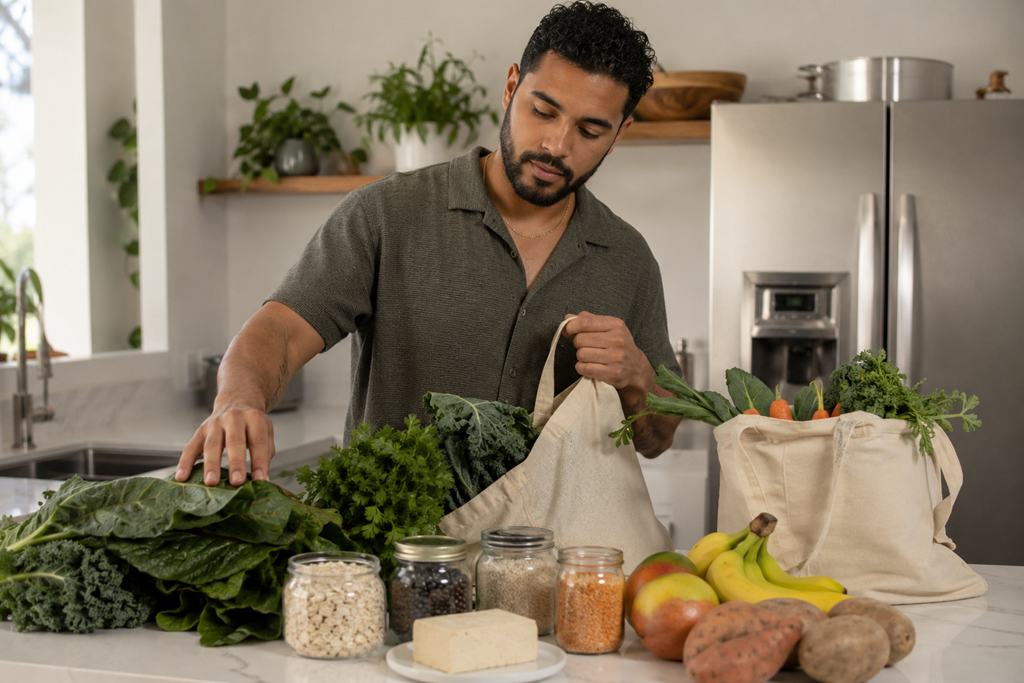
Frozen vegetables, canned beans, ready-made hummus, microwave rice, bagged salads, jarred sauces, boxed pasta, frozen vegan meals, store-bought veggie burgers, and simple snacks can all support consistency.
Convenience foods are not automatically a problem. They can be the bridge between your values and your actual schedule.
This matters because many people give up not because they stopped caring, but because their routine was too hard to maintain on busy days.
A lifestyle that only works when you have extra time, energy, and planning capacity may not be sustainable. A lifestyle that includes backup options is usually much easier to keep.
Nutrition Should Feel Supportive, Not Intimidating
Nutrition can be another area where people feel overwhelmed.
It is wise to learn the basics of eating well as a vegan, including paying attention to nutrients such as vitamin B12, protein, iron, calcium, vitamin D, iodine, and omega-3 fats. But this learning does not have to become a source of fear.
A sustainable approach is practical and calm. Learn enough to make informed choices. Build meals around satisfying foods. Use fortified foods or supplements where appropriate. Speak with a qualified health professional if you have specific health concerns, medical conditions, pregnancy-related needs, or a history of disordered eating.
The point is not to treat vegan nutrition like a mystery or a threat. The point is to support your body well enough that the lifestyle feels steady.
A Vegan Lifestyle Can Change As Your Life Changes
What works in your first month may not be what works two years later.
Your schedule may change. Your household may change. Your budget may change. Your cooking skills may improve. Your favorite meals may shift. You may move to a different city, start a new job, travel more, or have different family responsibilities.
A sustainable vegan lifestyle has to be allowed to evolve.
This is why it helps to think of vegan living as a practice, not a fixed performance. You keep refining it. You notice where friction appears. You make small adjustments. You return to the meals and routines that make the lifestyle feel livable.
Long-term sustainability usually comes from this quiet ability to adapt.
The Lifestyle Feels Easier When It Becomes Ordinary
A vegan lifestyle does not have to feel dramatic to be meaningful.
In fact, it often becomes more sustainable when it becomes ordinary.
You know what groceries to buy. You have a few meals you can make without thinking too hard. You understand how to handle restaurants. You have snacks that work. You know which conversations are worth engaging in and which ones are better kept simple. You are not constantly proving anything.
That ordinary rhythm is powerful.
It means the lifestyle has moved from an idea into your actual life.
Long-Term Vegan Living Is Built Gently
Making a vegan lifestyle feel sustainable long-term is not about being the most perfect, disciplined, or impressive version of yourself. It is about creating a way of living that your real life can hold.
That usually means eating enough, enjoying your food, reducing decision fatigue, preparing for social situations, staying connected to your reasons, and giving yourself practical support instead of constant pressure.
A vegan lifestyle lasts more easily when it feels livable.
Not flawless. Not complicated. Not performative.
Livable.
And for many people, that is the difference between something they try for a while and something they can quietly continue.
Download Our Free E-book!