How To Turn Marathon Tourism into a Consistent Lifestyle Habit with Practical, Sustainable Steps
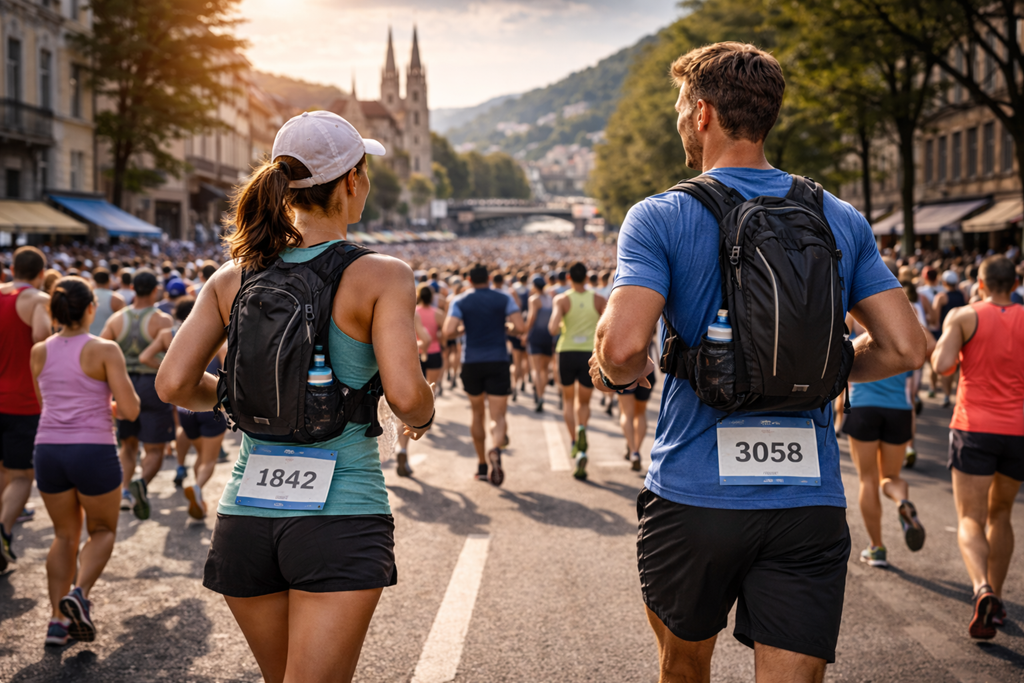
Marathon Tourism inspires many runners because it combines endurance, travel, culture, memory, and meaning. It allows people to see the world through running, experience cities not just as tourists but as participants, and build a personal story across finish lines in different countries and communities. It adds identity, purpose, connection, and adventure to running.
However, turning Marathon Tourism into a real lifestyle habit requires far more than passion. It requires health, planning, emotional stability, realism, financial mindfulness, and systems that help the habit continue without burnout. Many runners love the idea but struggle to maintain it.
This resource is designed to help runners build Marathon Tourism into something sustainable, enjoyable, and genuinely livable—without pushing extremes, ignoring responsibilities, or risking health.
What Marathon Tourism Really Means as a Lifestyle Habit
Marathon Tourism means traveling primarily to participate in running events such as marathons, half marathons, ultramarathons, or major race festivals. It is not simply running on vacation. Travel and racing are meaningfully connected. The experience includes movement, culture, environment, people, emotion, and memory.
When Marathon Tourism becomes a lifestyle habit, it is something you plan for annually, something that shapes your schedule, something your training supports, and something that enriches your life rather than disrupts it.
It is important to be realistic. Marathon Tourism is not reserved for elite runners. It is not irresponsible travel. It is not something powered by adrenaline alone. The habit can only survive if it respects health, finances, energy, preparation, and personal life.
Why Runners Struggle to Make Marathon Tourism a Sustainable Habit
Turning Marathon Tourism into a lifestyle is difficult, not because runners lack passion—most struggle because real-world demands are not respected.
Physical Demands and Health Strain
Running long-distance races already requires meaningful training, recovery, and body awareness. Add flights, climate changes, time zone shifts, unfamiliar terrain, and post-travel fatigue, and physical stress increases significantly.
Travel can cause swelling, stiffness, and circulation challenges, especially during long flights. This is where simple supports, such as travel compression socks, help many runners protect circulation, reduce discomfort, and arrive feeling more capable and comfortable.
Insight: Marathon Tourism becomes unsustainable when physical health is treated as optional instead of foundational.
Financial Reality
Marathon Tourism has costs: race registrations, flights, transportation, lodging, food, gear, and personal expenses. Without structure, the cost becomes stressful and discouraging. Many runners do not stop because they lose interest. They simply feel financially overwhelmed.
Building a reasonable financial system and even using something as simple as a budgeting and financial planning notebook helps runners align dreams with reality, plan confidently, and avoid emotional stress tied to money.
Scheduling and Life Responsibilities
Most runners do not live in empty calendars. They have jobs, families, commitments, responsibilities, and personal obligations. Travel requires planning. Lack of planning leads to inconsistency.
Logistics Fatigue
Race booking, hotel selection, planning gear, ensuring travel insurance, organizing hydration strategies, training schedules, and preparation intensity can feel overwhelming.
Organization helps habits survive. Something as practical as a lightweight compression-friendly travel running backpack helps runners feel prepared, reduces chaos, and keeps marathon travel from feeling stressful.
Emotional and Motivation Cycles
Motivation fluctuates. Excitement dips. Emotional fatigue exists. When Marathon Tourism becomes pressure rather than meaning, people eventually stop.
Structured, Sustainable Ways To Turn Marathon Tourism Into a Real Lifestyle Habit
The following guidance is practical, grounded, and built for long-term living.
Clarify What Marathon Tourism Means to You
Define whether you care most about performance, adventure, cultural exploration, community, or emotional significance. Clarity directs behavior. When Marathon Tourism has a personal purpose, it becomes easier to repeat.
Insight: Marathon Tourism becomes sustainable when it has personal meaning, not just movement.
Start Slow and Build Gradually
Many runners fail because they begin aggressively. Instead, begin with one or two events per year. Allow emotional, financial, and physical adaptation. Gradual progression protects long-term consistency.
Insight: Consistency grows from moderation, not intensity.
Create a Financial Structure That Reduces Stress
Money pressure destroys enjoyment. A planned budget helps Marathon Tourism feel like a supported lifestyle instead of a financial burden. Using a budgeting and financial planning notebook or digital equivalent supports responsibility, clarity, and long-term confidence.
Protect Your Health With Training, Recovery, and Awareness
Health is the foundation of Marathon Tourism longevity. Training and recovery must respect sleep, movement, hydration, nutrition, conditioning, medical guidance, injury prevention, rest cycles, and regeneration.
Simple, supportive travel-ready recovery tools like a portable travel foam roller or compact recovery stick make post-flight and post-race body care easier. Hydration tools, such as a hydration belt or lightweight hydration vest, help runners manage unfamiliar climates. A packable weather-resistant running jacket allows safer participation in unpredictable conditions. A compact travel first aid kit provides reassurance and practicality.
None of these items are luxuries. They are comfort, safety, and confidence tools that protect consistency.
Insight: Longevity in Marathon Tourism begins with respecting the body, not pushing past it.
Create a Predictable Yearly Rhythm
Random race participation leads to chaos. A predictable race rhythm supports planning, training balance, finances, and emotional readiness.
Runners often benefit from establishing patterns like a spring event, a late-summer event, and perhaps a winter or destination race. Structure creates emotional consistency.
Tools that support rhythm help. A GPS running watch with strong battery performance helps maintain structured training confidence across travel conditions. Keeping equipment organized with something like a travel running shoe organizer or protective shoe bag helps ensure preparedness without stress.
Predictability builds psychological calm.
Allow Marathon Tourism to Become Identity, Not Just Activity
A lifestyle habit lasts when it becomes part of identity. Collect experiences. Build personal rituals. Capture race stories. Reflect. Share.
This emotional element is strengthened by documenting experiences through something meaningful, whether it is journaling or using a compact action camera or smartphone stabilizer to capture moments that make the lifestyle emotionally fulfilling and deeply human.
Identity drives longevity.
Balance Performance Ambition With Joy
Chasing PRs every race creates exhaustion. Recognize that some events are experience-centered rather than competition-centered. Balance discipline and joy. Protect curiosity, wonder, and enjoyment.
Insight: Marathon Tourism lasts longer when joy is protected as fiercely as discipline.
Build Emotional and Community Support
Connection sustains habits. Traveling alone is meaningful, but connecting with other runners, involving family, or sharing experiences builds emotional resilience. Motivation becomes relational rather than isolated.
Meaning keeps people returning.
Remain Flexible
Life changes. Health shifts. Work schedules evolve. Financial realities adjust. Do not treat interruptions as failures. Adaptation is a strength.
Insight: A lifestyle habit survives because it bends, not because it refuses to move.
Use Systems Instead of Relying on Motivation Alone
Habits fail when they depend only on enthusiasm. Systems help Marathon Tourism remain stable when motivation dips. Planning structures, travel routines, budgeting frameworks, health practices, and recovery systems are what make the lifestyle actually livable.
Simple tools like a lightweight travel backpack, organized shoe carrier, hydration gear, first aid support, and recovery aids are not consumer distractions. They are systems of comfort and preparedness, reinforcing structure.
Systems preserve sustainability.
Common Mistakes That Stop Marathon Tourism from Becoming a Lifestyle
- Racing too frequently, too soon
- Ignoring recovery
- Underestimating travel fatigue
- Stretching finances beyond comfort
- Attaching too much pressure to every race
- Living someone else’s version of Marathon Tourism
- Expecting motivation to stay constant
- Refusing to adjust plans when life changes
Insight: Most Marathon Tourism failures are not failures of ambition; they are failures of sustainability planning.
A Simple Action Framework to Maintain a Marathon Tourism Lifestyle
- Define meaning
- Start moderately
- Budget realistically
- Prioritize health
- Establish rhythm
- Embrace identity
- Balance joy and performance
- Build connection
- Stay flexible
- Support yourself with structure
Key Takeaways
- Marathon Tourism becomes a sustainable lifestyle habit only when it is meaningful, planned, health-conscious, financially stable, emotionally fulfilling, and supported by a structured approach.
- Most runners struggle because of health strain, financial stress, planning fatigue, motivation fluctuations, or unrealistic expectations—not lack of passion.
- The strongest Marathon Tourism lifestyle approach is gradual, intentional, grounded in real-world practicality, and emotionally meaningful.
- When approached responsibly, Marathon Tourism evolves from a dream into a joyful, sustainable way to experience both running and the world.
Conclusion
A sustainable Marathon Tourism lifestyle is not built on adrenaline, impulse, or intensity. It is built on intention, structure, health awareness, emotional meaning, and respect for real-life circumstances. When runners approach this lifestyle thoughtfully, it stops being a reckless dream and becomes something deeply rewarding, stable, and genuinely livable. The goal is not to travel constantly or race endlessly. The goal is to travel purposefully, race meaningfully, protect your body, honor your finances, build personal rituals, stay emotionally connected, and allow the experience to enrich your life instead of overwhelm it.
When Marathon Tourism is supported by smart planning, realistic pacing, good recovery practices, financial clarity, predictable rhythms, supportive tools, and a strong sense of identity, it becomes something you can sustain—not just for one year, but for many years. It becomes a source of joy instead of stress. It becomes a way to engage with the world, not escape from it. And when motivation fades, structure keeps you anchored. When life shifts, flexibility keeps you involved. When challenges come, meaning keeps you returning.
The runners who build lasting Marathon Tourism lifestyles are not the ones who push the hardest. They are the ones who build the smartest. They understand that the true reward is not simply crossing distant finish lines—it is the life you build around those finish lines, the memories you create, the confidence you gain, the places you experience, and the identity you grow into along the way. When approached with wisdom, care, and intention, Marathon Tourism does not just add experiences to your calendar. It adds richness, purpose, and excitement to your life.
Download Our Free E-book!