Gardening can be one of the most satisfying ways to spend time, money, and attention. It gives you something tangible to care for, something seasonal to look forward to, and often something beautiful or useful in return. But it can also become surprisingly expensive when purchases happen a little too casually.
A packet of seeds here, a new pot there, an extra herb plant because it looked healthy, a tool you did not plan on replacing yet. None of these decisions seem big on their own. The trouble usually comes from how easily they pile up.
That is why planning garden spending matters. Not because gardening should feel rigid or stripped of joy, but because a little structure can protect the parts you actually enjoy. When you know where your money is going, it becomes easier to spend with intention instead of second-guessing every choice later.
The goal is not to spend less at all costs
A garden budget does not have to be restrictive. In many cases, it works better when it is flexible.
The point is not to turn gardening into a spreadsheet exercise or make every purchase feel overly serious. The point is to create enough visibility that you can make choices you feel good about. That might mean setting aside money for practical essentials first, while still leaving room for a few fun, seasonal, or spontaneous additions.
Without a plan, it is easy to fall into one of two extremes. Some people overspend in small, scattered ways and feel stressed afterward. Others avoid spending altogether because they are worried about losing control, which can make gardening feel more frustrating than enjoyable. A simple budget helps you stay in the middle. You give your hobby a shape without taking away its personality.
Why garden costs feel harder to track than expected
Garden spending often feels harmless because it is rarely one large expense. It usually shows up in waves and categories.
At the start of a season, you may buy soil, compost, seed trays, fertilizer, gloves, and a few starter plants. Later, you add supports, mulch, replacements for plants that did not make it, pest control, watering supplies, or containers. Then there are the small things that feel optional in the moment but still affect your total: labels, decorative pots, edging, baskets, twine, clips, and impulse plant purchases.
Because these expenses happen over time, they are easy to underestimate. You may remember the bigger items but forget the smaller ones. Or you may know roughly what you spent but not whether the money went toward what mattered most to you.
That lack of clarity is often what makes garden spending feel stressful. It is not always the total itself. It is the feeling of not really knowing.
Start with the kind of garden you actually want this season
Before deciding how much to spend, it helps to get specific about what this season is for.
Not every gardening season has the same goal. One year may be about growing food. Another may be about making the yard feel calmer and more inviting. Another may be about learning the basics without doing too much at once. Your spending will make more sense when it reflects the version of gardening you are actually trying to do.
Ask yourself a few grounded questions:
What matters most right now?
Do you care most about fresh herbs, a productive vegetable bed, color around the patio, or simply getting consistent with garden care? Your answer helps you see where your money deserves to go first.
What are you realistically able to maintain?
A bigger plan is not always a better plan. If time, energy, or attention are limited, a smaller setup may be more enjoyable and more cost-effective. Spending often gets out of control when the garden plan is more ambitious than real life allows.
What would make the experience feel satisfying?
This is where the fun stays in the process. Maybe you want one raised bed that feels abundant. Maybe you want a container garden that makes mornings feel better. Maybe you want to finally stop buying random supplies and feel more organized. A garden budget should support that feeling, not work against it.
Break spending into simple categories before you shop
One of the easiest ways to avoid overspending is to separate purchases into categories before you start buying.
This makes the budget more useful because it shows you what kind of spending is happening, not just how much.
You might use categories like:
- Seeds and plants
- Soil, compost, and amendments
- Tools and supplies
- Containers or beds
- Watering needs
- Pest or plant care
- Decorative extras
These categories do not need to be perfect. They just need to be clear enough to help you pause before buying. If you already spent most of your budget on starter plants, for example, you may decide to hold off on decorative pots for now. If your soil costs were higher than expected, you can adjust elsewhere without feeling surprised later.
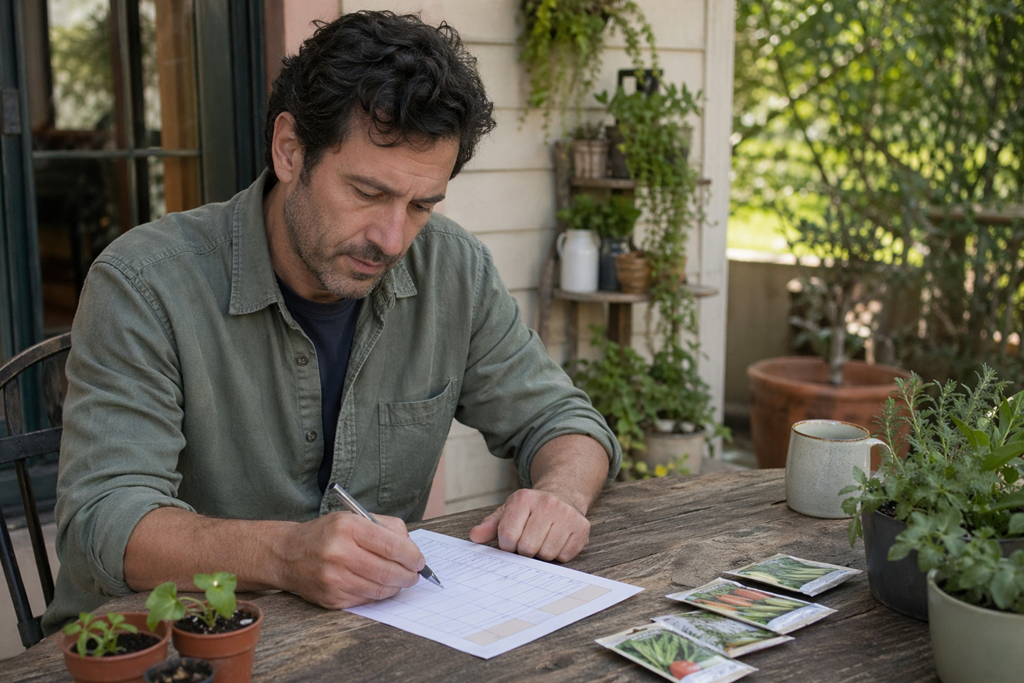
This is also where writing things down becomes helpful. A simple planner can make it easier to map out expected costs, compare them to actual purchases, and notice where your garden money tends to drift.
Give every season a little room for surprises
One reason budgets fail is that they leave no space for normal reality.
Plants do not always thrive. Weather changes plans. Sales tempt you. Sometimes you discover halfway through the season that you genuinely need one more bag of mulch or a better pair of pruning shears. Sometimes the garden brings you joy in a way that makes one small extra purchase feel worth it.
That does not mean the budget failed. It means the budget needs a little breathing room.
Try building in a small cushion for replacements, seasonal surprises, or one or two unplanned purchases you know you are likely to make. This keeps spontaneity from turning into guilt. It also helps you enjoy the experience more because you are not expecting yourself to garden with perfect control.
Watch for the habits that quietly raise your costs
A lot of garden overspending comes from habits rather than major mistakes.
You may buy duplicates because you forgot what you already have. You may replace items that could have lasted another season. You may shop without a list and come home with more than you intended. You may keep buying plants before preparing the space they need. Or you may spend on aesthetics before covering the basics that help plants actually grow well.
These patterns are common, and they are fixable. The key is not judgment. It is awareness.
When you notice your spending habits clearly, you can make smaller adjustments that have a big effect over time. Maybe you start checking supplies before heading to the store. Maybe you decide on a plant limit for each trip. Maybe you keep a record of recurring costs so next season feels easier to plan.
A little structure can make gardening feel calmer
Planning your garden spending is really about reducing friction. It helps you move from vague intentions to practical decisions.
Instead of wondering whether you are spending too much, you can see what you planned and how it is going. Instead of buying everything in a rush at the beginning of the season, you can pace purchases in a way that fits your priorities. Instead of letting receipts, mental notes, and half-remembered totals float around, you can keep everything in one place.
That kind of clarity often makes gardening feel lighter, not heavier. You spend less energy tracking details in your head and more energy enjoying the work itself.
If follow-through tends to be the hard part, the Garden Budget Planner can help you map out expected garden costs, track what you actually spend, and keep seasonal purchases organized in one simple place.
Let the budget support the garden you want to keep
A good garden budget is not about proving discipline. It is about supporting a hobby or routine in a way that feels sustainable.
When spending is planned, even loosely, you are more likely to buy what fits your goals, use what you already have, and enjoy the process without that nagging sense that things are getting away from you. You do not need a perfect system. You just need enough structure to make thoughtful choices and enough flexibility to leave room for delight.
Gardening should still feel alive, creative, and personal. A plan simply helps protect that experience from turning into avoidable stress.
Download Our Free E-book!