Starting a scuba diver lifestyle does not mean you have to become fearless, athletic, wealthy, or instantly comfortable underwater. It simply means you are beginning to explore diving as a calm, learnable part of your life, one step at a time.
For many people, the intimidating part is not just the ocean. It is the feeling that everyone else already knows the language, owns the gear, understands the rules, and has somehow become comfortable with things that still feel unfamiliar to you. That can make scuba seem like a lifestyle you have to “qualify” for before you even begin.
The truth is much gentler than that. Scuba diving is built around training, pacing, safety habits, and gradual confidence. You do not have to arrive already feeling like a diver. You become one through exposure, education, and repeated calm experiences.
The First Barrier Is Usually Emotional, Not Physical
When people feel intimidated by scuba diving, they often assume it means they are not adventurous enough. But nervousness around diving is completely normal.
You are thinking about breathing underwater, wearing unfamiliar equipment, trusting instructions, managing your body in a new environment, and entering a world where you are not naturally in control. That is a lot for the mind to process.
This does not mean scuba is wrong for you. It may simply mean your brain is taking the experience seriously.
A healthy respect for diving is different from fear. Respect helps you listen, prepare, and move carefully. Fear becomes a problem only when it convinces you that you are not allowed to begin.
You Do Not Have To Become A “Scuba Person” Overnight
One misunderstanding that makes scuba feel more intimidating is the idea that diving has to become your whole identity.
You may picture people with expensive dive bags, travel stamps, underwater cameras, strong swimming skills, and endless stories about reefs, wrecks, and liveaboard trips. That image can make the lifestyle feel far away from everyday life.
But a scuba diver lifestyle can start much smaller.
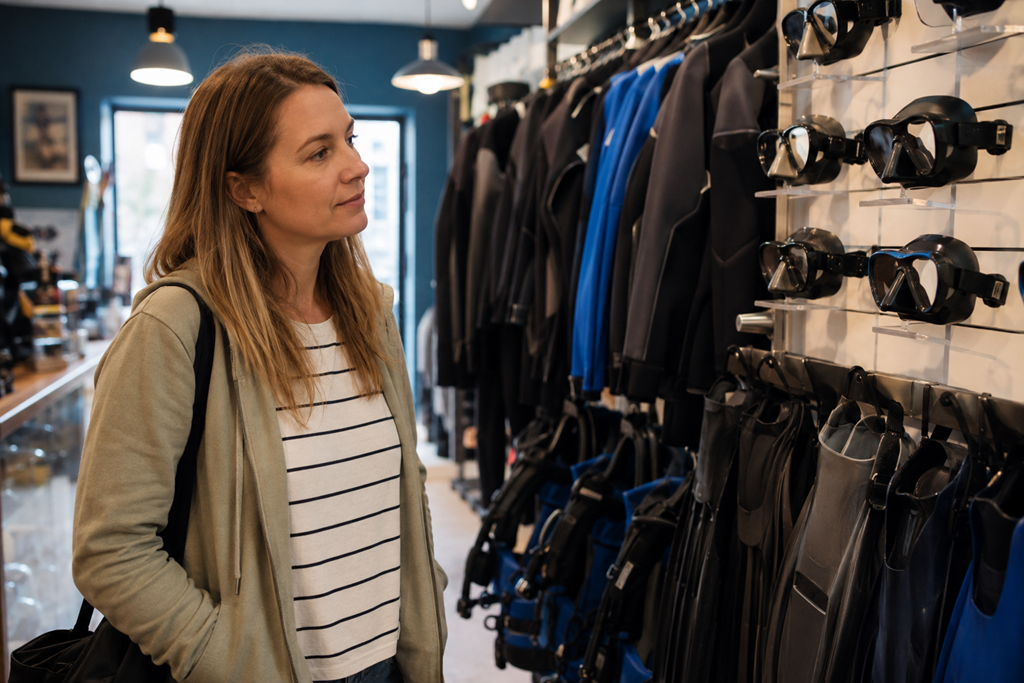
It can begin with reading about beginner diving. It can begin with watching training videos from reputable sources. It can begin with visiting a local dive shop, asking basic questions, or learning what a beginner certification course actually includes.
You are allowed to be interested before you are experienced. You are allowed to move slowly. You are allowed to enjoy the idea of scuba without immediately planning a major dive trip.
Confidence Comes From Familiarity, Not Bravery
A lot of beginners think they need to feel brave before they start. In reality, confidence usually comes after repeated exposure.
The first time you see scuba gear, it may look complicated. After someone explains what each part does, it becomes less mysterious. The first time you think about breathing through a regulator, it may feel strange. After practicing in shallow water with an instructor, it often feels more manageable.
This is why beginner training matters. It breaks one big intimidating idea into smaller, safer experiences.
You are not expected to figure everything out alone. You are not supposed to teach yourself through guesswork. Scuba has a learning structure because the activity deserves one.
That structure is part of what makes the lifestyle more approachable.
The Gear Looks More Complicated Than It Feels After Training
Scuba equipment can make beginners feel like they are entering a technical world they do not understand. Tanks, regulators, buoyancy compensators, gauges, weights, fins, masks, and wetsuits can all seem like too much at once.
But most beginners do not need to own everything right away. Many start by renting or using gear provided through a training program. This gives you time to understand what each item does before deciding what you actually want or need.
It also helps to remember that gear is not there to impress anyone. It is there to support breathing, comfort, movement, warmth, visibility, and safety.
Once each piece has a simple purpose in your mind, the equipment starts to feel less like a barrier and more like a set of tools.
You Can Be A Beginner Without Apologizing For It
One of the most calming shifts you can make is accepting that beginner status is not something to hide.
New divers often worry about asking obvious questions. They may feel embarrassed about needing instructions repeated or feeling nervous in the water. But good dive instructors and responsible dive communities expect beginners to need support.
Scuba is not a lifestyle where pretending to know more than you do helps you. In fact, honesty is part of responsible diving.
Saying “I am new,” “I need a little more time,” or “Can you explain that again?” is not weakness. It is exactly the kind of communication that helps make diving safer and more enjoyable.
The Lifestyle Does Not Have To Be Expensive Right Away
Another reason scuba can feel intimidating is the assumption that it requires a large financial commitment from the beginning.
Yes, scuba can become expensive if you move quickly into gear ownership, frequent travel, advanced certifications, and destination diving. But that does not mean the first stage has to be overwhelming.
The early lifestyle can be built around learning, local resources, realistic budgeting, and selective participation. You can take time to understand certification costs, rental options, local dive communities, and what kind of diving actually interests you.
You do not need to buy your way into belonging. You can learn your way in.
Choose Calm Learning Environments Over Impressive Ones
Some beginners accidentally make scuba feel harder by choosing the most dramatic version of the activity first.
They imagine deep dives, strong currents, exotic destinations, or challenging underwater environments. While those experiences may become appealing later, they are not where confidence has to begin.
A calm beginner environment matters. That may mean a pool session, a patient instructor, a small class, a local dive shop with a welcoming atmosphere, or a beginner-friendly destination where conditions are easier to manage.
The goal at the start is not to prove toughness. The goal is to build comfort, awareness, and trust in the process.
It Helps To Separate Interest From Obligation
You may be drawn to scuba because you love the ocean, want a new hobby, enjoy travel, care about marine life, or simply want to try something meaningful. That interest is enough.
But interest can quickly turn into pressure when you start comparing yourself to experienced divers.
You do not have to dive every month to be allowed to care about scuba. You do not have to travel internationally to count as a diver. You do not have to collect certifications just because other people do.
Your version of the lifestyle can be steady, modest, seasonal, local, or occasional. What matters is that it fits your life instead of becoming another source of pressure.
The Best Beginning Is Usually Smaller Than You Think
Starting a scuba diver lifestyle without feeling intimidated often comes down to making the first step less dramatic.
You do not have to start with a major trip. You do not have to buy a full gear setup. You do not have to know every term. You do not have to feel completely calm before you learn.
A better starting point is simple curiosity paired with responsible education.
Learn what beginner certification involves. Visit a reputable local dive shop. Ask what equipment is provided. Read about what the first pool session is like. Talk to people who remember what it felt like to be new.
The more ordinary the first step feels, the less intimidating the lifestyle becomes.
A Grounded Way To Think About Becoming A Diver
Scuba diving can look intimidating from the outside because it involves unfamiliar equipment, new sensations, and a world most people do not enter every day. But the lifestyle is not reserved for people who are naturally fearless.
It is for people who are willing to learn carefully.
You can start slowly. You can ask basic questions. You can take your time with gear, training, comfort, and confidence. You can let scuba become part of your life gradually instead of forcing it to become an identity all at once.
Beginning is not about proving you already belong underwater. It is about giving yourself enough support, knowledge, and patience to discover whether this lifestyle fits you.
That is a much calmer way to start.
Download Our Free E-book!