A prepper lifestyle does not have to mean fear, isolation, or preparing for the most extreme situation imaginable. At its most practical level, it means becoming a little more capable in everyday life so small disruptions feel less overwhelming.
That might mean keeping basic supplies at home, learning how to handle a short power outage, knowing what food you already have, or feeling more confident when plans change unexpectedly.
For many people, the appeal of prepping is not really about disaster. It is about feeling less dependent on perfect conditions.
Self-Reliance Often Starts With Ordinary Moments
Everyday self-reliance usually begins when you notice how easily normal routines can be interrupted.
A storm knocks out power for a few hours. A household item breaks at the wrong time. Grocery prices rise. A car battery dies. A family member gets sick. You realize you do not have batteries, basic medicine, cash, bottled water, or a simple plan for what to do next.
These are not dramatic situations. They are ordinary life interruptions.
That is why a grounded prepper lifestyle is less about panic and more about reducing friction. It gives you a little more room to breathe when life becomes inconvenient, expensive, delayed, or unpredictable.
The Goal Is Not To Prepare For Everything
One of the easiest ways to misunderstand prepping is to think you have to cover every possible scenario.
That mindset can make self-reliance feel impossible before you even begin. There will always be another supply, another skill, another risk, another expert opinion, and another “what if.”
A calmer approach is to focus on the disruptions most likely to affect your real life.
For many households, that may include temporary power outages, basic first aid needs, delayed paychecks, winter storms, hot weather, transportation problems, or short-term food and water gaps. These are practical, ordinary concerns that can be improved with small habits.
Everyday self-reliance becomes more manageable when it is based on your actual life, not someone else’s emergency fantasy.
A Prepper Lifestyle Can Be Quiet And Practical
Many people picture prepping as extreme: bunkers, fear-based thinking, massive stockpiles, or constant worry about the future.
But a more realistic prepper lifestyle can be quiet and almost invisible.
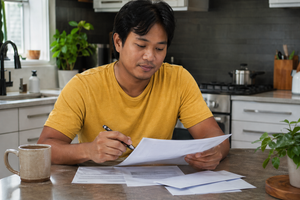
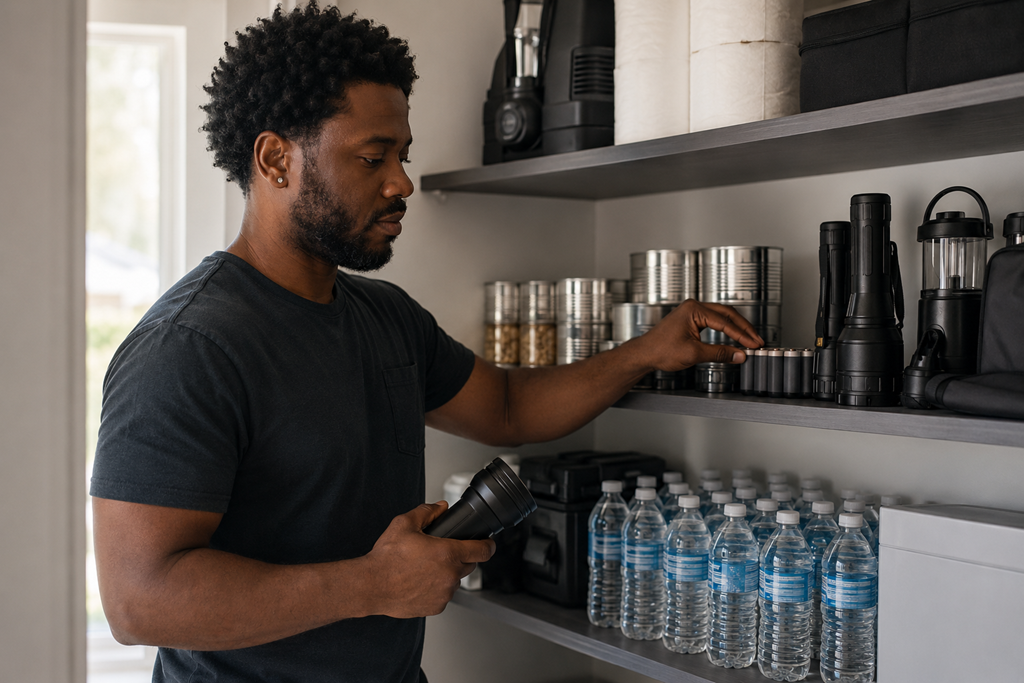
It can look like keeping a flashlight where you can find it. It can mean rotating pantry food before it expires. It can mean having a little cash at home, knowing how to shut off water, keeping your gas tank from getting too low, or storing important documents in one place.
These habits are not dramatic. That is what makes them useful.
Self-reliance grows best when it becomes part of normal household rhythm instead of a stressful project that takes over your life.
Supplies Help, But Habits Matter More
Buying supplies can feel productive, and sometimes it is. A well-stocked pantry, basic tools, water storage, and emergency lighting can make life easier during disruptions.
But supplies alone do not create confidence.
A house can be full of gear while the people inside still feel unprepared because they do not know where anything is, how to use it, or what they would do first.
Everyday self-reliance depends on simple habits: noticing what gets used, replacing essentials before they run out, keeping things organized enough to find quickly, and choosing supplies that match your real household needs.
The calmer version of prepping asks, “Would this actually help me in a normal disruption?” That question keeps the lifestyle practical.
Small Layers Create A Stronger Household
Self-reliance often works best in layers.
One layer might be food: having enough simple meals on hand to avoid stress if shopping is delayed. Another layer might be water: keeping some clean drinking water available. Another might be communication: knowing how family members would reach each other if phones were unreliable.
There can also be layers for money, transportation, medicine, documents, home maintenance, and personal safety.
The point is not to perfect every layer at once. The point is to slowly reduce the number of situations where one small problem causes everything else to fall apart.
A few steady layers can make a household feel much more stable.
Being Prepared Does Not Mean Expecting The Worst
A common misunderstanding is that preparation means living with a negative mindset.
In reality, healthy preparation can be emotionally neutral. You prepare because life is easier when you are not starting from zero every time something goes wrong.
People carry spare tires without expecting a flat tire every day. They keep umbrellas without expecting rain every hour. They save passwords, keep medicine cabinets, and buy insurance because some forms of preparation are simply part of adult life.
A prepper lifestyle applies that same idea more intentionally.
It is not about assuming disaster is coming. It is about accepting that inconvenience, delay, weather, illness, and uncertainty are normal parts of life.
The Most Useful Prepper Ideas Are Usually Boring
The best prepper lifestyle ideas are often not exciting.
They include checking smoke detectors, keeping a basic first aid kit current, learning simple home repair skills, having extra pet food, knowing where your important papers are, keeping backup charging options, and making sure your pantry includes foods your household will actually eat.
This is where many people get stuck. They look for the most advanced or impressive version of preparedness before building the simple foundation that would help most often.
Boring preparation is usually the most useful preparation because it solves the problems that happen repeatedly.
Avoid Turning Preparedness Into Clutter
Another pattern that makes prepping harder is collecting too much without a clear purpose.
A supply closet can quickly become clutter if items are purchased out of anxiety instead of usefulness. When that happens, preparedness can create the very stress it was supposed to reduce.
A grounded prepper lifestyle is not about owning more things. It is about owning the right things, knowing where they are, and keeping them in usable condition.
If something is expired, broken, impossible to find, or unrelated to your actual needs, it is not really supporting self-reliance.
Preparedness should make your home feel calmer, not more crowded.
Skills Make Self-Reliance Feel More Personal
Supplies are helpful, but skills often create a deeper sense of confidence.
Basic cooking, budgeting, gardening, minor repairs, first aid awareness, safe food storage, and simple navigation can all support a more self-reliant lifestyle. These skills do not need to be mastered all at once.
Even learning one small ability can change how you feel in everyday situations.
A person who knows how to cook from pantry basics may feel less stressed when grocery shopping is delayed. Someone who understands basic home shutoffs may feel calmer during a leak. Someone who has practiced using backup lighting will not be searching in the dark during an outage.
Skills turn preparation from “things I bought” into “things I can handle.”
Self-Reliance Should Fit Your Real Season Of Life
A single apartment renter, a parent with young children, a retired couple, and a homeowner on rural property will not need the same version of a prepper lifestyle.
That is important.
Preparedness becomes overwhelming when people copy someone else’s setup without considering space, budget, health, family size, climate, transportation, and daily responsibilities.
Everyday self-reliance should match your actual season of life. A small, organized shelf of useful supplies may serve one person better than a garage full of items they cannot manage. A simple family communication plan may matter more than expensive gear. A pantry that supports your real meals may be more valuable than a collection of foods no one wants to eat.
The best system is the one you can maintain calmly.
A More Self-Reliant Life Can Still Be Connected
Self-reliance does not mean doing everything alone.
In many ways, healthy preparedness includes stronger relationships. Knowing your neighbors, checking on family, sharing practical skills, and being aware of local resources can all make life more stable.
Independence and community are not opposites.
A prepared person may be better able to help others because they are not immediately overwhelmed by the same disruption. A prepared household may be calmer because it has already handled the basics.
The goal is not to withdraw from people. The goal is to become steadier within your own life so you can respond more clearly when something changes.
Preparedness Is Built Slowly
A prepper lifestyle becomes more sustainable when it is treated as a long-term way of living, not a weekend transformation.
You do not need to solve everything immediately. You do not need to buy every item, learn every skill, or prepare for every possible event.
Start with the ordinary places where your life feels most fragile. Maybe that is food, water, money, power, transportation, medicine, documents, or household repairs. Then make small improvements that reduce stress in that one area.
Everyday self-reliance is not about becoming untouchable. It is about becoming more steady, capable, and thoughtful in the life you already have.
That is the calmer side of the prepper lifestyle: not fear of the future, but quiet confidence in your ability to handle more of the present.
Download Our Free E-book!