How To Plan A Trip To The NHL Winter Classic With Smart Travel, Budget, and Experience Strategies
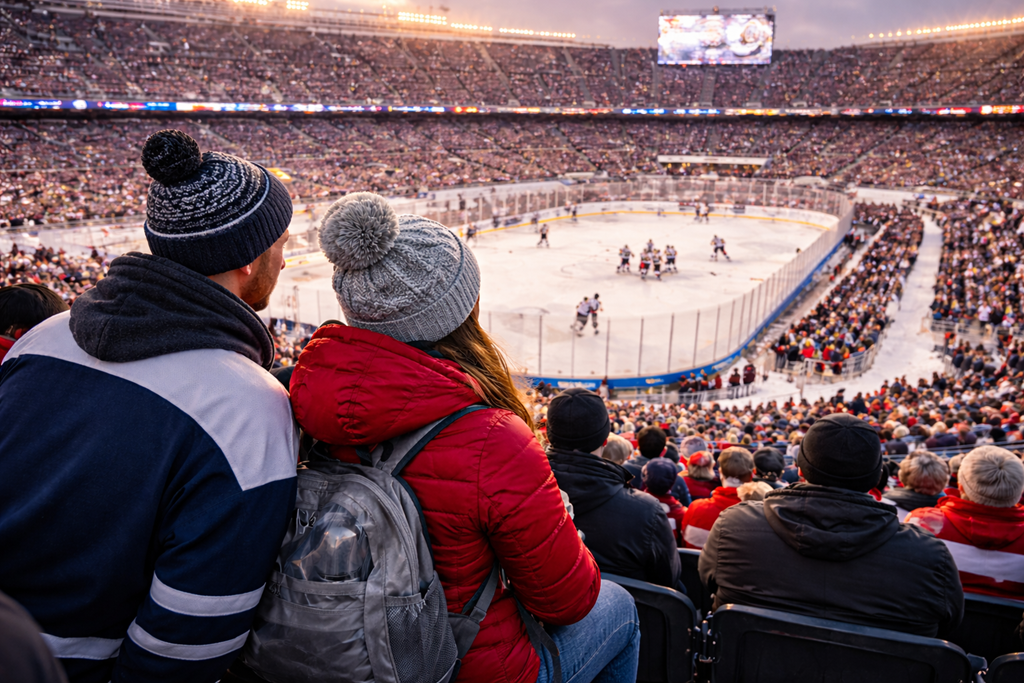
The NHL Winter Classic is not a typical hockey game, and planning a trip to attend it is not typical sports travel. It is a single outdoor regular-season NHL game staged in a large stadium, often during peak holiday travel, in weather conditions that directly affect comfort, timing, and energy.
That combination is what makes the event memorable—and what makes planning difficult.
Fans often struggle because the Winter Classic looks like a normal game on a calendar, but in practice, it behaves more like a destination event. Tickets, lodging, transportation, weather preparation, and game-day logistics all carry higher stakes than usual. The goal of planning is not perfection. It is minimizing friction, so the experience feels intentional instead of reactive.
What follows is a practical framework for planning a Winter Classic trip built around real decisions fans face. Each principle explains what to do, why it works, and when it matters most—so guidance can be applied selectively and confidently.
Why Planning an NHL Winter Classic Trip Is Harder Than It Looks
Before discussing methods, it helps to understand the source of most problems:
- The event happens once, on one day
- Stadiums are not designed for hockey sightlines or winter comfort
- Travel overlaps with holidays and weather disruption
- Cold exposure compounds over several hours
- Crowds move more slowly in winter conditions
Insight: The Winter Classic is easy to underestimate because it looks like a normal game, but functions like a major travel event.
Principle 1: Plan Around the Experience You Want, Not the Cheapest Option
What this means
Effective planning starts by deciding what matters most: view quality, comfort, atmosphere, cost control, or convenience. No plan optimizes all five.
Why it works
Outdoor stadiums magnify tradeoffs. A cheap ticket may mean poor visibility. A cheaper hotel may add long, cold walks late at night.
When it matters most
- First-time attendees
- Fans traveling with family
- Extremely cold climates
This principle guides every decision that follows.
Principle 2: Understand Stadium Seating Before Buying Tickets
What this means
Not all seats deliver the same hockey experience. Distance, elevation, angle, and exposure matter more than at indoor arenas.
Why it works
Hockey is fast and small-scale. Poor sightlines reduce engagement over time, especially in cold conditions.
Mid-level elevation and center-ice alignment typically provide the best balance between view and atmosphere.
Principle 3: Treat Ticket Timing as a Risk Decision, Not a Guess
There is no universal “best time” to buy Winter Classic tickets. Timing should reflect your tolerance for uncertainty.
- Buy earlier if certainty matters
- Wait only if flexibility is high
Insight: Ticket timing is about reducing regret, not chasing the lowest price.
Principle 4: Book Lodging for Logistics First, Comfort Second
Where you stay matters more than how nice the room is.
Cold weather, crowd congestion, and fatigue make long post-game travel harder than expected. Hotels that reduce walking distance or simplify transportation usually deliver more value than upscale amenities.
This is where footwear decisions quietly become important. Long walks on cold pavement amplify discomfort quickly. Choosing comfortable, weather-appropriate walking shoes or boots makes movement easier before and after the game, especially during slow stadium exits.
Principle 5: Build a Weather Strategy, Not Just an Outfit
What this means
Staying warm is about managing exposure over time, not just piling on layers.
Cold discomfort accumulates. Sitting still, wind exposure, and moisture matter more than temperature alone.
A solid strategy often includes:
- A thermal base layer to regulate heat
- Insulated socks to protect extremities
- Wind protection for hands and seating surfaces
For example, thermal base layers help retain warmth without bulk, while insulated wool or thermal socks prevent heat loss during long seated periods. Many fans also find reusable hand warmers useful during stretches of inactivity when circulation drops.
Seating comfort matters as well. Stadium seats can be metal or concrete, which transfer cold quickly. A foldable insulated stadium seat cushion reduces that heat loss and improves endurance late in the game.
Insight: Cold discomfort compounds over time, not instantly.
Principle 6: Arrive Earlier Than You Think, Leave Slower Than You Expect
Security checks, bag policies, and winter clothing slow movement. Outdoor venues process crowds more slowly, especially in cold weather.
Arriving 60–90 minutes earlier than a normal game reduces stress and preserves energy.
Carrying essentials efficiently helps. A stadium-approved clear backpack or sling bag simplifies security while keeping gloves, extra layers, and small items accessible. Cold also drains phone batteries faster than expected, so a portable phone power bank helps maintain access to digital tickets, maps, and communication.
Cold hands are another friction point. Touchscreen-compatible insulated gloves allow phone use without repeated exposure.
Principle 7: Budget for Comfort, Not Just Tickets
Total cost includes food, transportation buffers, and comfort tools—not just tickets.
Under-budgeting leads to rushed decisions that reduce enjoyment. Planning for hydration and pacing matters as well. A compact refillable water bottle can reduce reliance on long concession lines and support stamina throughout the day, especially in dry winter air.
Insight: Comfort spending often delivers more value than seat upgrades.
Principle 8: Simplify the Itinerary Around the Game
The Winter Classic is physically demanding. Packing too many activities into game day increases fatigue and stress.
Light pre-game plans and flexible post-game options preserve energy and patience.
Principle 9: Use Conservative Assumptions for Transportation
Assume slower travel, limited ride-share availability, and congestion.
Managing essentials efficiently helps when layered clothing limits mobility. A small cross-body money and essentials wallet keeps tickets, ID, and payment accessible without repeated fumbling, especially during transit and security checks.
Transportation uncertainty is one of the most common Winter Classic stress points. Conservative planning reduces it.
Principle 10: Measure Success by Experience, Not Efficiency
A successful Winter Classic trip feels memorable, comfortable enough, and free of major regret—even if it costs more or takes longer than expected.
Trying to optimize every variable increases stress. Planning for resilience creates better outcomes.
Insight: The best Winter Classic trips are designed to absorb friction, not eliminate it.
Common Mistakes to Avoid
- Treating the Winter Classic like a normal NHL game
- Underestimating cold exposure and fatigue
- Prioritizing price over logistics
- Over-scheduling game day
- Ignoring stadium seating geometry
Key Takeaways
- The NHL Winter Classic is a single outdoor game with unique planning demands
- Effective planning focuses on tradeoffs, not perfection
- Seating, weather, and logistics matter more than at indoor games
- Comfort tools quietly improve outcomes
- The best plans reduce stress, fatigue, and regret
Conclusion
Planning a trip to attend the NHL Winter Classic is less about finding shortcuts and more about making realistic, experience-driven decisions. The event rewards preparation that accounts for scale, weather, timing, and personal comfort—areas where even seasoned hockey fans can be caught off guard.
The most effective plans are built around clear priorities and honest tradeoffs. Understanding how outdoor stadiums change sightlines, how cold exposure accumulates over several hours, and how holiday travel affects logistics allows fans to make choices that reduce stress rather than amplify it. Small, practical decisions—where to stay, when to arrive, what to carry, and how to manage comfort—often have a greater impact on enjoyment than chasing the lowest price or the “perfect” seat.
There is no single right way to experience the Winter Classic. A successful trip aligns with your expectations, budget, and tolerance for uncertainty while leaving enough flexibility to adapt as conditions change. When planning focuses on resilience instead of optimization, the day feels less rushed, more intentional, and far more memorable.
With thoughtful preparation and grounded assumptions, attending the NHL Winter Classic can feel exactly as it should: a rare outdoor hockey experience enjoyed on your terms, without unnecessary friction or regret.
Download Our Free E-book!