Helping a dog with separation anxiety is not about forcing them to “get used to it” faster. It is about helping them feel safer in small, manageable steps while avoiding the habits that accidentally make their fear stronger.
A dog with separation anxiety is not simply being dramatic, stubborn, or badly behaved. Separation anxiety usually shows up when a dog becomes distressed after being separated from the person or people they feel most attached to. That distress may look like barking, whining, pacing, panting, chewing near doors or windows, having accidents indoors, trying to escape, or becoming upset as soon as they notice you getting ready to leave.
For many owners, the hardest part is not just the behavior itself. It is the uncertainty. You may wonder whether you are comforting your dog too much, leaving too quickly, making departures too emotional, or missing a sign that the problem is more serious. That confusion is normal. Separation anxiety can look like a training problem from the outside, but for the dog, it often feels more like panic.
Your Dog Is Not Trying to Punish You
One of the most helpful reframes is this: anxious behavior after you leave is not revenge.
A dog who chews the doorframe, cries, scratches, or has an accident while alone is not “getting back at you.” They are reacting to distress. That matters because punishment after the fact can make the situation more confusing and frightening. Your dog is unlikely to connect your anger with the exact behavior in a helpful way. Instead, they may start to associate your return with tension.
A calmer approach begins by treating the behavior as information. The barking, chewing, pacing, or house-soiling is a sign that your dog is not coping well with alone time yet. That does not mean you have failed. It means the current routine may be asking more of your dog than they are ready to handle.
The Goal Is Calm Practice, Not Sudden Independence
Many well-meaning owners try to solve separation anxiety by leaving longer and hoping the dog eventually adjusts. Sometimes that backfires.
If a dog is repeatedly left alone past the point they can handle, the alone-time experience may become more frightening instead of easier. Behavior experts often use gradual exposure, desensitization, and counterconditioning to help pets build a calmer response over time, but the key is that the exposure must stay low enough that the dog does not become overwhelmed.
In everyday terms, this means your dog may need practice being alone in tiny, boring, non-dramatic pieces. That might begin with small moments of independence while you are still home, calm practice with departure cues, or short absences that end before your dog panics.
The important idea is not speed. It is emotional safety.
Your Leaving Routine May Matter More Than You Think
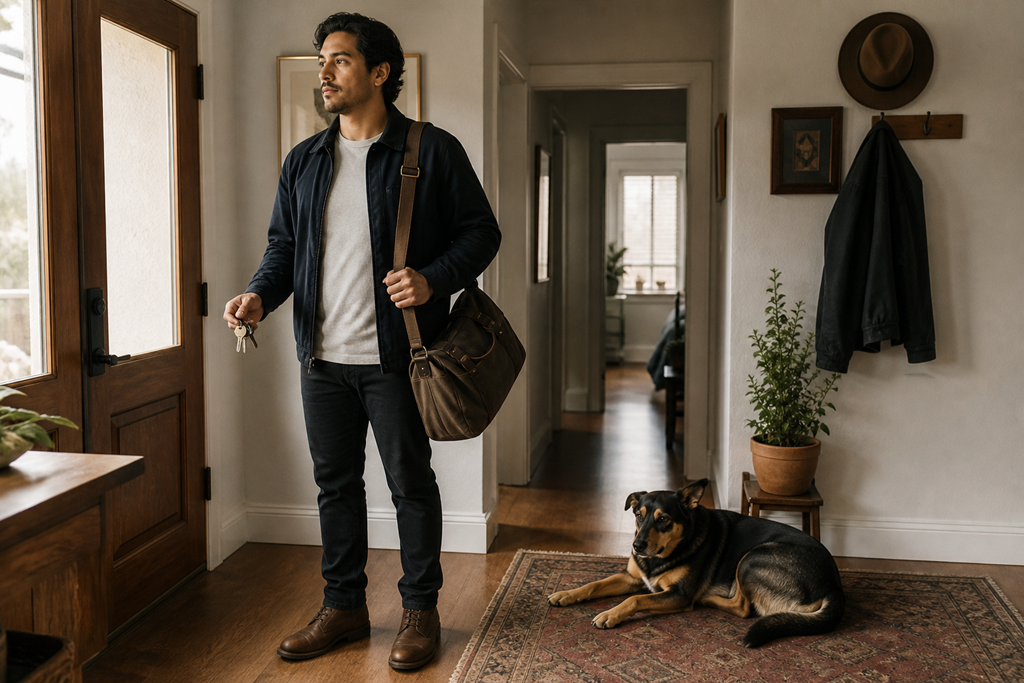
Dogs are excellent pattern-watchers. Long before you walk out the door, your dog may notice the clues: shoes, keys, bag, coat, coffee cup, laptop, or the way you move through the house.
For an anxious dog, those clues can become part of the anxiety cycle. They may start worrying before you even leave.
This is why a calmer leaving routine can help. Not a theatrical goodbye. Not sneaking out in a way that makes your dog more hyper-alert. Just a steady, low-drama pattern that does not turn leaving into a major emotional event.
Some dogs may also benefit from a safe, positive activity during departures, such as a food-stuffed puzzle toy, as long as the dog is relaxed enough to engage with it. The ASPCA describes counterconditioning as helping a dog associate being alone with something good, such as a special food toy offered when the owner leaves.
The key phrase is “relaxed enough.” If your dog is too panicked to eat, play, or settle, the situation may need to be made easier.
Big Goodbyes and Big Reunions Can Add Fuel
It is natural to want to reassure your dog before you leave. It is also natural to feel guilty and then make a huge fuss when you come home.
But for some dogs, intense goodbyes and excited reunions can make the contrast between “you are here” and “you are gone” feel even bigger.
A calmer pattern is usually better. You can be kind without making the moment emotionally huge. A simple goodbye, a steady tone, and a peaceful return may help reduce the emotional spike around departures and arrivals. The ASPCA also recommends keeping greetings relaxed when leaving and returning home.
This does not mean ignoring your dog coldly. It means not turning every exit and entrance into a high-intensity event.
Exercise Can Help, But It Is Not the Whole Solution
A walk, play session, or sniffing activity before you leave may help some dogs settle more easily. Physical movement and mental enrichment can reduce restlessness and give your dog a better chance of relaxing.
But exercise alone is not a cure for separation anxiety.
A tired anxious dog can still be anxious. If your dog is genuinely panicking when left alone, more exercise may support the routine, but it should not replace gradual confidence-building or professional help when needed.
Think of exercise as one helpful layer, not the entire answer.
Crates Are Not Automatically Calming
Some dogs feel safer in a crate. Others feel more trapped.
This is one of the places where owners can accidentally make the problem worse. If a dog already panics when left alone, suddenly confining them may increase distress, especially if they scratch, chew, bark, drool, or try to escape.
A crate should not be used as a shortcut for anxiety. It should only be part of the routine if your dog has been gently conditioned to feel safe there. If your dog becomes frantic in a crate, the issue is not disobedience. The setup may simply be too much for them.
Safety matters too. Dogs with severe separation distress may injure themselves during escape attempts, especially around doors, windows, or confinement areas.
The Most Common Mistake Is Moving Too Fast
Progress with separation anxiety often looks smaller than people expect.
A dog may need to practice calm independence in short, repeatable moments before longer absences are realistic. Moving too fast can sensitize the dog, meaning the dog becomes more reactive to the trigger rather than less. VCA notes that if a pet shows fear or arousal during desensitization and counterconditioning, continuing at that level can increase future distress.
That is why “just leave them and let them figure it out” can be risky for anxious dogs.
A better question is: What amount of alone time can my dog handle without tipping into panic?
That answer may be much smaller at first than you wish. But it gives you a clearer starting point.
Short Practice Absences Can Be More Useful Than One Long Test
If your dog struggles when left alone, occasional long absences may not teach them what you hope they will learn. They may simply rehearse panic.
Shorter practice periods can be more useful because they let your dog experience alone time without reaching full distress. The ASPCA suggests giving pets practice with shorter periods of alone time and gradually increasing the duration when possible.
For a family, this might mean practicing small departures during lower-stress times instead of only leaving when everyone is rushed, emotional, or gone for hours.
The point is not to build a perfect training plan in one day. It is to stop making every absence feel like a crisis.
Some Dogs Need More Than Home Adjustments
There is nothing wrong with needing help.
If your dog cannot tolerate even very short absences, refuses food when alone, tries to escape, injures themselves, destroys entry points, or becomes increasingly distressed despite gentle changes, it may be time to talk with a veterinarian, certified trainer, certified applied animal behaviorist, or veterinary behaviorist.
VCA notes that formal treatment for separation anxiety may include desensitization, counterconditioning, and in some cases medication, depending on the dog’s needs.
That does not mean your dog is “too far gone.” It means the problem may be bigger than ordinary household tips can solve safely.
Professional support can help you avoid guessing, especially if your dog’s anxiety is intense or escalating.
What Helps Most Is a Calmer Pattern Your Dog Can Actually Handle
The safest way to help a dog with separation anxiety is to make alone time feel less scary, not to force independence before the dog is ready.
That usually means calmer departures, less emotional pressure around leaving and returning, safer enrichment, shorter practice absences, realistic expectations, and a willingness to get professional help when the signs are severe.
You do not have to solve everything at once. Start by noticing what your dog can handle calmly, what pushes them into distress, and which parts of your routine may be adding pressure without you realizing it.
A dog with separation anxiety needs patience, structure, and emotional safety. And just as important, the owner needs reassurance that going slower is not doing less. Sometimes going slower is exactly what keeps the problem from getting worse.
Download Our Free E-book!