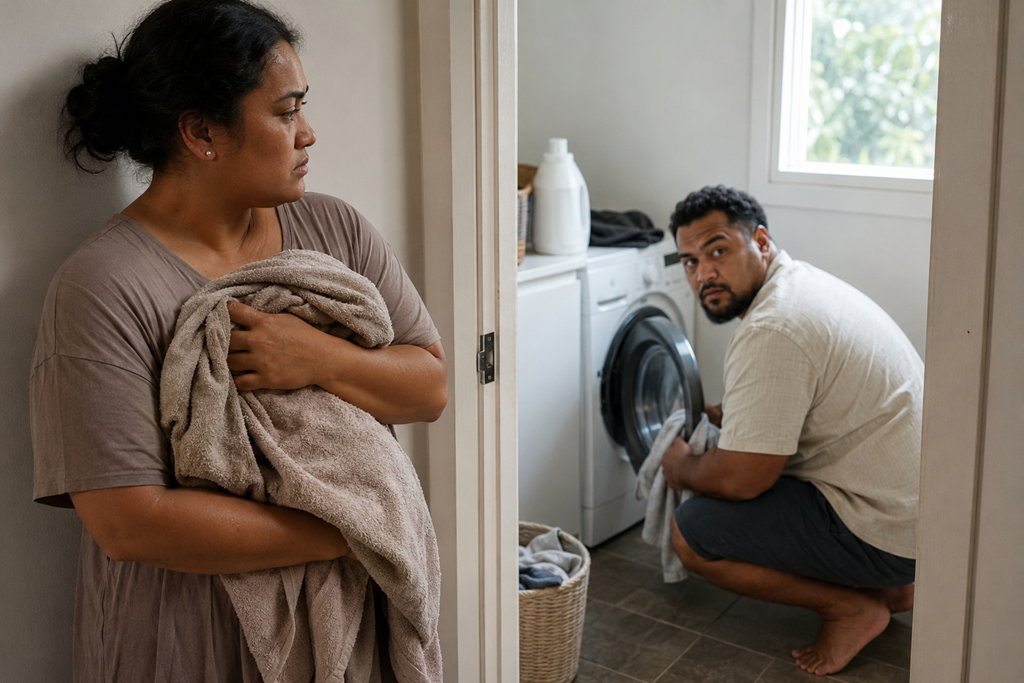
Vulnerability feels difficult because it asks you to let someone see something you could usually protect, hide, explain away, or control. In a relationship, that might mean admitting you feel hurt, naming a fear, sharing a need, asking for reassurance, apologizing sincerely, or letting someone know how much they matter to you.
The hard part is not always the words themselves. It is the risk that comes with them.
When you are vulnerable, you are not just sharing information. You are giving another person access to a part of you that feels tender. That is why even a simple sentence like “I felt left out,” “I need more closeness,” or “I’m scared you’ll pull away” can feel much harder than talking about schedules, plans, chores, or surface-level frustrations.
Vulnerability is often where trust and intimacy meet. Trust affects whether it feels safe enough to open up. Intimacy grows when what you share is received with care.
Vulnerability Often Feels Riskier Than It Looks
From the outside, vulnerability can seem like a communication skill. People may describe it as “just being honest” or “saying how you feel.” But inside a real relationship, vulnerability can feel far more complicated.
It can feel like standing at the edge of a conversation without knowing whether the other person will move closer, shut down, criticize you, minimize what you said, or change how they see you.
This is why many people avoid vulnerable moments even when they deeply want closeness. They may talk around the real issue. They may make a joke. They may become defensive. They may focus on a smaller complaint because the deeper truth feels too exposed.
A person might say, “You never help around here,” when the more vulnerable truth is, “I feel alone in this.” They might say, “Forget it,” when what they really mean is, “I wanted you to notice that this mattered to me.”
The surface reaction may look like anger, distance, sarcasm, or silence. Underneath, there is often a fear of being dismissed, rejected, misunderstood, or seen as too much.
The Fear Is Not Always About The Present Moment
One reason vulnerability feels so difficult is that the current conversation may carry the weight of past experiences.
If someone has been mocked for being sensitive, ignored when they expressed needs, punished for honesty, or made to feel weak for caring, opening up may not feel simple. Their body may treat vulnerability as a risk before their mind has time to explain why.
This does not mean the current partner has done anything wrong. It means the act of opening up may touch old protective patterns.
Someone may hesitate before sharing because part of them is asking questions they may not even say out loud:
Will this person use this against me later?
Will they think less of me?
Will I regret saying this?
Will I feel foolish if they do not respond the way I hoped?
Will they turn this into an argument?
These questions can make vulnerability feel heavy even when the relationship is loving. A person can want deeper connection and still feel afraid of what it might cost to reach for it.
Being Vulnerable Can Feel Like Losing Control
Many people are more comfortable explaining, fixing, planning, analyzing, or staying useful than revealing what they feel. These roles create a sense of control. Vulnerability removes some of that control because the other person gets to respond.
You can choose what to share, but you cannot fully control how it will be received.
That uncertainty is one of the hardest parts.
When someone says, “I need more affection,” they are not only naming a need. They are also making room for the other person to say yes, hesitate, misunderstand, become defensive, or ask questions. That openness can feel uncomfortable because the outcome is not guaranteed.
This is why some people prefer hints over honesty. Hints feel safer because they allow the person to retreat if the other person does not respond well. But hints also create confusion. The other person may miss the emotional meaning completely, and the vulnerable person may feel even more unseen.
Vulnerability asks for more directness, but directness can feel exposing.
Trust Makes Vulnerability Feel Less Like A Gamble
Trust does not remove all discomfort from vulnerability. Even in secure relationships, sharing something tender can still feel difficult. But trust changes the emotional math.
When trust is present, a person is more likely to believe that their honesty will be handled with care. They may still feel nervous, but they do not expect harm. They may not know exactly how the conversation will go, but they believe the other person will try to understand.
When trust is weak, vulnerability can feel like handing someone a weapon and hoping they do not use it.
That is why vulnerability cannot be forced by telling someone to “just open up.” People usually open more when the relationship has shown, over time, that honesty will not be punished.
Small responses matter here. Listening without interrupting matters. Not turning every feeling into a debate matters. Remembering what someone shared matters. Apologizing without making the other person regret speaking up matters.
Vulnerability becomes easier when a relationship repeatedly proves that emotional honesty will be treated with respect.
Intimacy Requires More Than Sharing Facts
Another misunderstanding is thinking vulnerability only means revealing private details. A person can share many facts about their life without being emotionally vulnerable.
They can talk about childhood, work stress, family history, or personal challenges while still keeping their deeper feelings protected.
Emotional vulnerability is different. It often sounds less polished. It may be about what something meant, what hurt, what felt embarrassing, what someone hoped for, or what they need but feel uncomfortable asking for.
For example, “My family moved a lot when I was younger” is personal information.
But “I think that’s why I get scared when plans change suddenly” is more emotionally vulnerable.
That second sentence invites the other person into the meaning behind the experience. It allows them to understand the person more fully, not just know more about them.
This is why vulnerability matters so much for intimacy. Intimacy is not built only by spending time together or knowing facts. It grows when two people are allowed to see the inner meaning behind each other’s reactions.
Some People Hide Vulnerability Behind Strength
Vulnerability can feel especially hard for people who are used to being dependable, composed, capable, or emotionally self-contained.
They may have learned that being strong means not needing much. They may pride themselves on handling problems alone. They may worry that sharing fear, sadness, insecurity, or longing will make them seem burdensome.
But hiding all vulnerable feelings can create distance in a relationship. The other person may sense that something is there, but not know how to reach it. Over time, the relationship may function well on the outside while feeling emotionally limited underneath.
This is one of the confusing parts of vulnerability: protecting yourself can sometimes protect you from the closeness you actually want.
A person may avoid saying, “I miss you,” because it feels too needy. They may avoid saying, “That hurt me,” because they do not want conflict. They may avoid saying, “I need reassurance,” because they do not want to seem insecure.
Yet those are often the very moments where deeper intimacy could begin.
Vulnerability Is Not The Same As Oversharing
Some people resist vulnerability because they imagine it means revealing everything, saying every feeling immediately, or having emotionally intense conversations all the time.
But healthy vulnerability is not the same as emotional exposure without boundaries.
You do not have to share everything with everyone. You do not have to speak before you are ready. You do not have to turn every private feeling into a relationship discussion. You do not have to offer your deepest fears to someone who has not shown they can handle them with care.
Vulnerability works best when it has discernment.
That means asking whether the relationship has enough trust for what you are sharing. It means noticing whether the other person listens, respects boundaries, and responds with maturity. It means being honest without abandoning your own sense of protection.
Vulnerability is not the absence of boundaries. It is honest connection with boundaries still intact.
Defensiveness Often Covers A Vulnerable Feeling
Many relationship conflicts become harder because the vulnerable feeling stays hidden while the protective reaction takes over.
A person who feels unimportant may accuse. A person who feels afraid may withdraw. A person who feels ashamed may argue. A person who feels rejected may pretend not to care.
The argument then becomes about tone, timing, attitude, or who started it, while the deeper issue remains untouched.
This is why vulnerability can shift a conversation. It does not guarantee an easy outcome, but it often reveals what the conflict is actually about.
Instead of “You never listen,” the vulnerable truth might be, “I feel like my words do not land with you.”
Instead of “You don’t care,” it might be, “I wanted to feel considered.”
Instead of “I’m fine,” it might be, “I’m embarrassed that this bothered me so much.”
These shifts matter because they invite understanding instead of only defense.
The Right Person Still Cannot Read What You Never Share
A loving partner may notice your mood, your silence, or your change in energy. But they may not understand the meaning behind it unless you let them in.
This is where many people get stuck. They want to be known without having to explain. They want the other person to sense what hurts, what matters, or what is needed. That desire is understandable. Being noticed can feel deeply meaningful.
But intimacy usually requires some level of expression. Not because your feelings are invalid until spoken, but because another person cannot reliably respond to what they cannot see clearly.
Vulnerability gives the relationship more accurate information.
It says, “Here is what is happening inside me.”
That kind of honesty gives the other person a real chance to show care, repair harm, offer reassurance, or understand you differently.
Vulnerability Gets Easier When It Is Met Well
A single vulnerable moment can shape how safe future honesty feels.
If someone shares something tender and receives mockery, dismissal, impatience, or blame, they may become more guarded next time. If they share and receive listening, care, curiosity, or accountability, they may become more willing to open up again.
This is why vulnerability is not only about the person speaking. It is also about the person receiving.
The listener has a role in whether vulnerability becomes a bridge or a wound.
Receiving vulnerability well does not mean agreeing with everything or fixing the feeling immediately. Sometimes it means slowing down enough to understand. Sometimes it means saying, “I did not realize that affected you that way.” Sometimes it means taking responsibility. Sometimes it means simply not making the person feel foolish for being honest.
Small relational responses can make a large difference.
The Difficulty Does Not Mean You Are Bad At Relationships
If vulnerability feels hard, it does not mean you are emotionally closed off, broken, or incapable of intimacy. It may mean you understand, somewhere inside, that being known involves risk.
That risk is real.
But so is the possibility of being met with care.
Vulnerability becomes less confusing when you stop seeing it as weakness and start seeing it as selective honesty. It is the choice to let someone see what matters, not as a performance, but as an invitation into deeper understanding.
In relationships, vulnerability is often difficult because it touches the places where trust has to prove itself and intimacy has a chance to grow. It asks for courage, but it also asks for wisdom. Not every moment is the right moment. Not every person is the right person. Not every feeling has to be shared all at once.
But when vulnerability is offered with care and received with respect, it can become one of the most meaningful ways two people stop guessing and start truly knowing each other.
Download Our Free E-book!