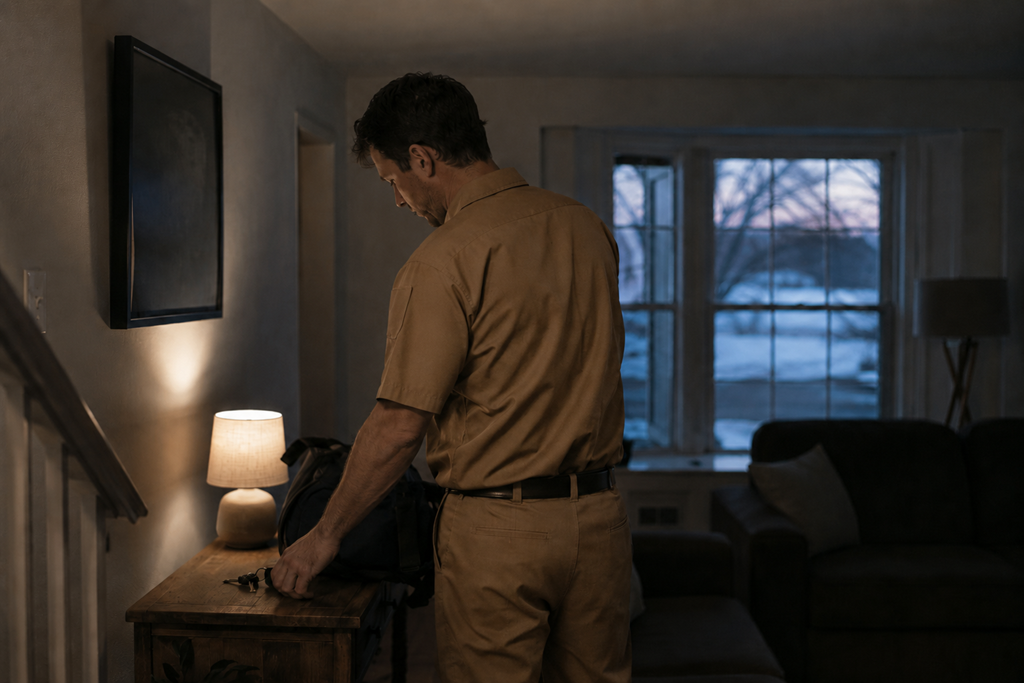
You just finished a long night shift. Your body is tired, your eyes feel heavy, and all you want is sleep.
Then you get home and suddenly feel awake.
This is one of the most common frustrations for night shift workers. You can be physically exhausted but mentally alert at the same time. Your body has been active all night, the sun is coming up, your phone is buzzing, and the world around you is starting its day.
So instead of falling asleep, you lie in bed thinking, checking the time, replaying work, or wondering why your body will not cooperate.
Why Night Shift Sleep Feels So Hard
Night shift sleep is difficult because your body is getting mixed signals.
You are tired because you worked all night. But your environment may be telling your body it is daytime.
Common problems include:
- Bright morning light
- Noise outside or inside the home
- Late caffeine
- Heavy food after work
- Stress from the shift
- Phone alerts
- Family or household interruptions
- Racing thoughts
The issue is not always that you are “bad at sleeping.” Often, the problem is that there is no clear transition between work and rest.
The Mistake Many Night Shift Workers Make
Many people try to go straight from work mode into bed.
That sounds logical. You are tired, so you should sleep.
But your body may still be alert from the shift. Your mind may still be processing conversations, tasks, problems, or stress. If you add bright lights, scrolling, chores, or a heavy meal, you may accidentally extend your wakefulness.
A better approach is to create a short post-shift bridge.
What Is a Post-Shift Sleep Bridge?
A post-shift sleep bridge is a simple routine that helps your body understand that work is over and sleep is next.
It might include:
- A quick work shutdown note
- A calm commute
- Low lights at home
- A simple snack if needed
- A shower or face wash
- Phone on Do Not Disturb
- Dark room
- White noise
- A short breathing routine
The routine does not need to be long. In fact, shorter is often better.
The point is to repeat the same sleep signals after your shift so your body starts recognizing the pattern.
Start With Light and Noise
If you sleep during the day, your room needs more protection.
Try:
- Blackout curtains
- A sleep mask
- A fan or white noise machine
- Earplugs if needed
- Phone on Do Not Disturb
- A clear sleep boundary with people at home
You do not need a perfect setup. Even one improvement can help.
Watch the “Second Wind”
The second wind often happens when you stay up too long after getting home.
It starts with small delays:
“I’ll check my phone.”
“I’ll watch one video.”
“I’ll do the dishes first.”
“I’ll answer this message.”
Before long, your sleep window is shrinking and your body feels more awake.
Set a simple rule:
Get into bed by a specific time after work, even if you do not feel perfectly sleepy yet.
What If Your Mind Keeps Racing?
Use a simple shutdown list.
Write:
- What is done
- What can wait
- What is not yours to solve right now
Then use one repeated phrase:
“I am off duty. This is my sleep window. I can return to life when I wake up.”
The goal is not to erase every thought. The goal is to stop following every thought.
A Simple Starting Routine
After your next night shift, try this:
- Before leaving work, write one sentence about what can wait.
- Keep your commute calm.
- Keep lights low when you get home.
- Put your phone on Do Not Disturb.
- Eat only if hunger will keep you awake.
- Change clothes or shower.
- Make your room dark and steady.
- Use slow breathing in bed.
This will not make every sleep perfect, but it gives you a system to repeat.
Want the Full Step-by-Step System?
If you regularly feel exhausted but wired after night shift, you may need more than random sleep tips. You need a repeatable post-shift routine with full, fast, and emergency versions.
The full guide, How to Fall Asleep After a Night Shift When You Feel Wired but Tired, walks you through the complete system, including light control, noise protection, food and caffeine adjustments, racing-thought scripts, troubleshooting charts, and a 7-day reset plan.
Use it after your next shift to stop guessing and start giving your body clearer sleep signals.
Download Our Free E-book!