1)) Direct answer / explanation
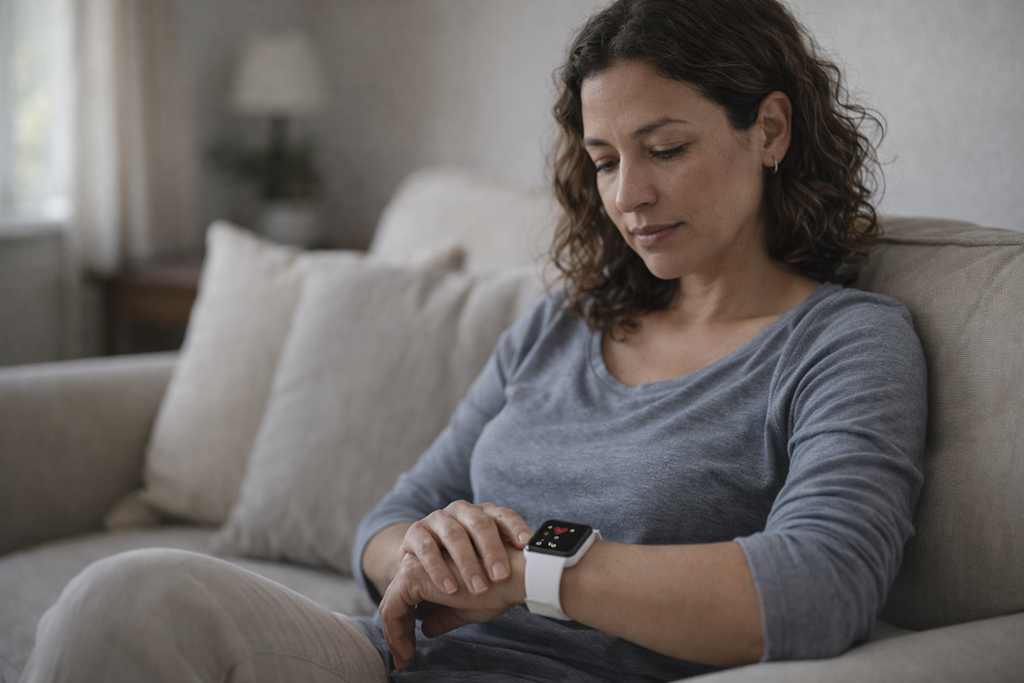
Preventive awareness turns into health hypervigilance when staying informed quietly becomes constant monitoring — of symptoms, signals, or potential problems — even when no immediate action is needed.
For many people, this feels like being unable to fully relax in their own body. Normal sensations start to trigger internal check-ins. Attention stays slightly elevated, scanning for signs that something might be wrong. What began as responsible awareness slowly shifts into ongoing alertness.
This isn’t a failure of self-control. It’s what happens when the brain is given responsibility without clear boundaries for when to stand down.
2)) Why this matters
When hypervigilance goes unnoticed, it can drain mental and emotional energy over time. People may feel tense during ordinary activities, struggle to feel at ease, or lose trust in their body’s normal signals.
Ironically, this state can undermine the very goals of prevention. Chronic stress makes it harder to maintain steady habits and can turn health into a source of anxiety rather than support. Without recognizing the pattern, people often assume they just need to “try harder,” which increases the cycle of monitoring and worry.
3)) Practical guidance (high-level)
A key reframe is understanding that prevention works best when it’s structured, not constant.
Supportive principles include:
- Allowing routines and systems to carry responsibility, rather than continuous attention
- Recognizing that awareness doesn’t require constant interpretation of bodily signals
- Trusting that preventive care is cumulative, not moment-to-moment
These shifts help move health awareness from vigilance back into a background support role.
4)) Common mistakes or misunderstandings
A common mistake is believing that vigilance equals safety. While short-term attention can be useful, long-term hyper-focus often increases anxiety without improving outcomes.
Another misunderstanding is assuming that noticing more will eventually bring peace of mind. In reality, constant checking often trains the brain to stay alert rather than settled.
Many people also blame themselves for not feeling calm despite doing “all the right things.” This is understandable, because health guidance rarely explains where awareness should stop and trust should begin.
Conclusion
Preventive awareness turns into hypervigilance when responsibility is carried mentally instead of structurally. The result isn’t better care — it’s ongoing tension.
This experience is common, understandable, and changeable. With clearer boundaries and steadier frameworks, it’s possible to stay proactive about health without staying on alert all the time.
If you’d like the bigger picture of why heart health awareness can trigger fear about the future — and how to approach prevention with more calm and perspective — the hub article offers helpful context.
Download Our Free E-book!