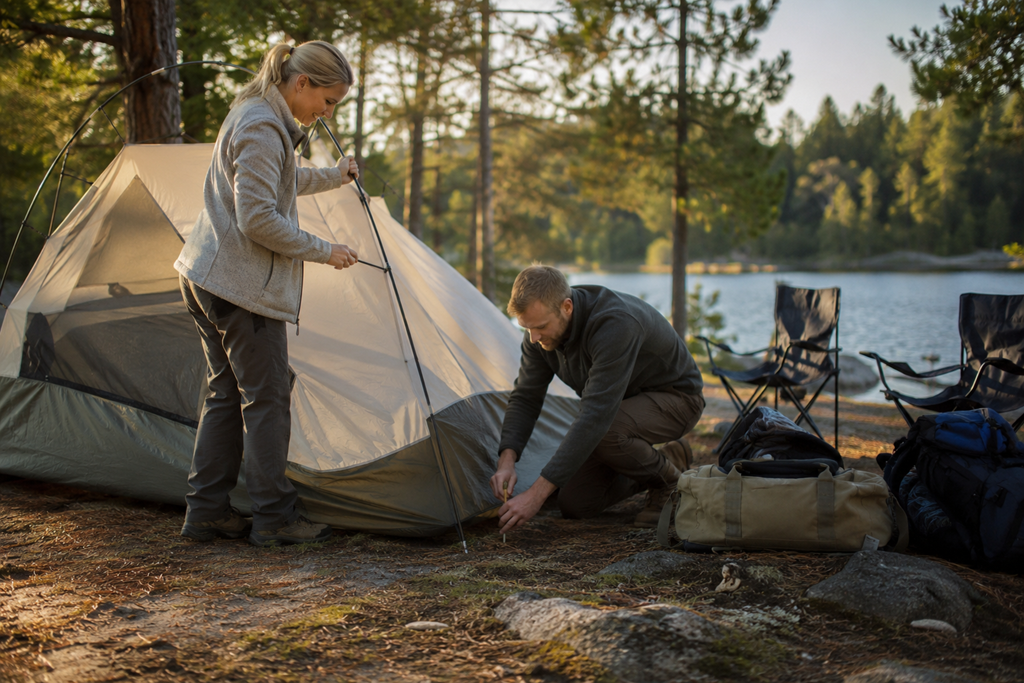
Feeling like teammates matters in marriage because daily life becomes much easier to carry when both partners feel they are facing responsibilities together, not separately. A strong marriage is not only built on love, attraction, or shared history. It is also shaped by whether both people feel like they are on the same side when life becomes busy, stressful, repetitive, or uncertain.
In everyday marriage, “being teammates” does not mean both people do everything equally at all times. It means both people care about the weight the other person is carrying. It means decisions, chores, money conversations, parenting, planning, and emotional support do not feel like one person’s private burden while the other simply reacts.
When that teammate feeling is present, marriage often feels safer and more cooperative. When it is missing, even small tasks can begin to feel lonely.
The quiet difference between love and partnership
Many couples love each other but still feel disconnected in the way daily life is handled.
One person may be managing appointments, remembering deadlines, tracking bills, planning meals, noticing what needs to be fixed, or carrying most of the emotional tone of the household. The other person may not be trying to cause harm, but they may not fully see how much invisible effort is happening.
That is where the teammate issue often begins.
A spouse may not be asking for perfection. They may simply want to feel that their partner notices, participates, and cares without needing every detail explained. They want to feel like the marriage is not two separate people managing life near each other, but two people moving through life with a shared sense of responsibility.
This is why the feeling of teamwork can matter so much. It touches practical life and emotional security at the same time.
What it feels like when the teamwork is missing
When spouses stop feeling like teammates, the marriage may not look broken from the outside. The household may still function. Bills may get paid. Children may be cared for. Plans may still happen. But underneath the surface, one or both partners may feel increasingly alone.
It can sound like:
“I have to think of everything.”
“They help when I ask, but I wish I did not always have to ask.”
“We are both busy, but I feel like I am carrying the mental load.”
“I do not need everything my way. I just want to feel like we are in this together.”
The difficult part is that these feelings often build slowly. They may show up through irritation about dishes, schedules, spending, errands, or tone of voice. But the deeper issue is not always the specific task. The deeper issue is the feeling that one partner is carrying more awareness, more initiative, or more concern for the shared life.
That is why a small disagreement can feel bigger than it looks. The argument may be about one forgotten responsibility, but the pain may be about a pattern.
Marriage feels different when both people feel responsible for the shared life
A teammate mindset changes the emotional meaning of everyday responsibilities.
Without that mindset, a task can feel like proof that one person is being left alone. With that mindset, even a difficult season can feel more manageable because both people are paying attention.
For example, a partner who says, “I noticed this needs to be handled, so I took care of it,” communicates more than helpfulness. They communicate awareness.
A partner who asks, “What are you carrying this week that I may not be seeing?” communicates more than curiosity. They communicate care.
A partner who follows through without needing constant reminders communicates more than reliability. They communicate respect for the other person’s energy.
These small signals matter because marriage is lived mostly in ordinary moments. Most couples are not making major life decisions every day. They are managing mornings, meals, work stress, family needs, bills, repairs, appointments, and tired evenings. If those ordinary moments repeatedly make one person feel unsupported, the relationship can begin to feel heavier than it should.
Being teammates is not the same as splitting everything perfectly
One common misunderstanding is that teamwork means every responsibility must be divided exactly in half. That is rarely how real life works.
There may be seasons when one spouse works longer hours. One partner may be better with finances, planning, home repairs, caregiving, or social coordination. One person may have more capacity during a particular season than the other.
The issue is not whether every task is divided evenly. The issue is whether both people feel seen, valued, and actively involved in protecting the health of the marriage and household.
A healthy teammate dynamic allows for uneven seasons without turning one person into the default manager of everything. It allows one spouse to carry more for a while without feeling abandoned in the process. It also allows both people to talk honestly when the balance has become painful.
The goal is not perfect symmetry. The goal is shared ownership.
The invisible load can quietly weaken connection
Many marriage tensions grow around work that is hard to see.
Planning ahead, remembering details, anticipating needs, noticing emotional shifts, tracking household patterns, and preventing problems before they happen are all forms of labor. Because this work often happens internally, it can be overlooked.
This can create frustration on both sides.
One spouse may feel resentful because they are tired of being the one who notices everything. The other spouse may feel criticized because they only hear about the problem after their partner is already upset.
This is one reason teamwork in marriage requires more than being willing to help. Help usually waits for direction. Teamwork notices the game being played.
A spouse who only says, “Just tell me what to do,” may mean well, but that response can still leave the other person carrying the leadership role. Over time, that can feel less like partnership and more like management.
Feeling like opponents makes problems harder to solve
When couples do not feel like teammates, ordinary problems can start to feel personal.
A budget conversation becomes, “You are trying to control me.”
A parenting disagreement becomes, “You do not respect my way.”
A conversation about chores becomes, “Nothing I do is ever enough.”
A request for more support becomes, “You are saying I am a bad spouse.”
Once a couple starts feeling like opponents, the original issue becomes harder to solve. Both people may become focused on defending themselves instead of understanding what the marriage needs.
A teammate mindset changes the tone of conflict. It allows a couple to ask, “What is happening to us here?” instead of only asking, “Who is wrong?” That shift does not erase disagreement, but it can make disagreement less damaging.
Spouses can have different opinions and still feel like they are protecting the same relationship.
Small moments often rebuild the teammate feeling
The teammate feeling is not usually restored through one dramatic conversation. It is more often rebuilt through repeated moments of awareness, follow-through, and mutual care.
It may happen when one partner takes initiative before being asked. It may happen when a spouse listens without turning defensive. It may happen when both people admit that the current pattern is not working and decide to treat the problem as shared.
Even simple phrases can change the atmosphere of a marriage:
“Let’s figure this out together.”
“I did not realize how much you were carrying.”
“I can take that off your plate.”
“I do not want you to feel alone in this.”
“What would make this feel more shared?”
The power of those words is not in sounding perfect. The power is in the message underneath them: your burden matters to me because our life is something we are building together.
Why this matters more as life gets fuller
Many couples feel like teammates early in the relationship because life is often simpler. There may be fewer responsibilities, fewer routines, fewer people depending on them, and more energy for connection.
Over time, marriage can become more complicated. Work pressures grow. Family needs change. Parenting may enter the picture. Health concerns, financial decisions, household responsibilities, and long-term planning can take more space.
As life gets fuller, romance alone may not be enough to keep the marriage feeling connected. Couples also need the sense that they can rely on each other in practical and emotional ways.
This does not make marriage less loving. In many ways, it makes love more real. Being teammates means love has somewhere to go when life is not exciting. It becomes visible in responsibility, presence, patience, and shared effort.
A marriage feels stronger when both people know they are not carrying it alone
Feeling like teammates matters because marriage is not only about being together. It is about knowing that the shared life is being cared for by both people.
When that feeling is missing, even normal responsibilities can create distance. When that feeling is present, even difficult seasons can feel less isolating.
The strongest part of teamwork is not that both spouses always know exactly what to do. It is that both are willing to notice, adjust, repair, and participate. They understand that the goal is not for one person to win, prove a point, or carry everything quietly.
The goal is to remember that the marriage itself is the shared project.
Download Our Free E-book!