Many preppers focus on practical skills instead of fear because skills create confidence, options, and steadier decision-making. Fear may get someone’s attention for a moment, but it does not usually help them think clearly, solve problems, or take useful action in everyday life.
For many people, prepping starts with an uneasy feeling. They may worry about power outages, storms, job disruptions, supply shortages, medical delays, or simply not knowing what they would do if normal routines were interrupted. That concern is understandable. Life is not always predictable.
But practical preparedness is different from living in a constant state of alarm. At its best, the prepper lifestyle is not about expecting the worst every day. It is about learning how to handle ordinary disruptions with more calm, skill, and self-reliance.
Practical Skills Make Preparedness Feel Less Overwhelming
Fear tends to make preparedness feel huge.
A person may start thinking they need a bunker, years of supplies, expensive equipment, or a completely different lifestyle. That kind of thinking can quickly become exhausting. Instead of helping someone get prepared, it can make them freeze.
Skills work differently.
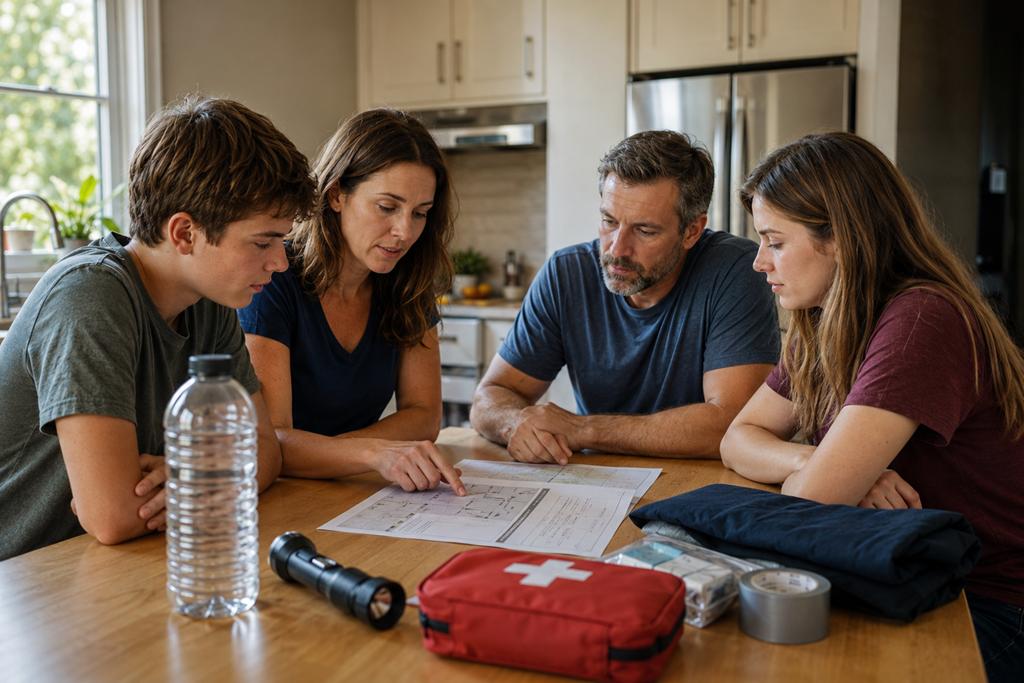
Learning how to store water safely, cook simple meals without full power, keep a basic first aid kit, grow a few herbs, organize important documents, or communicate during an outage gives a person something concrete to do. These are not dramatic actions. They are steady, practical habits that make life easier when things do not go according to plan.
Preparedness becomes less intimidating when it is treated as a set of useful life skills rather than a response to constant danger.
Fear Can Start The Conversation, But It Cannot Carry The Lifestyle
It is normal for concern to be part of the beginning. A storm, a news story, a personal emergency, or a difficult season can make someone realize they are less prepared than they thought.
That awareness can be useful.
The problem comes when fear becomes the main source of energy. Fear can push someone to buy too much too quickly, focus on unlikely scenarios, or spend more time imagining problems than building practical ability.
A calmer prepper mindset asks different questions.
Instead of asking, “What terrible thing might happen?” it asks, “What would help my household function better if something interrupted our normal routine?”
That shift matters. It brings preparedness back into real life.
Skills Give People A Sense Of Agency
One reason many preppers value skills is that skills help people feel less helpless.
When someone knows how to do something useful, even at a basic level, they often feel more grounded. They may not be able to control the weather, the power grid, the economy, or every emergency around them. But they can control some of their own habits, supplies, knowledge, and household systems.
That sense of agency is important.
A person who knows how to prepare simple shelf-stable meals, maintain a flashlight kit, check smoke alarms, filter water, or keep a printed contact list is not trying to control everything. They are simply reducing avoidable stress.
Preparedness does not remove uncertainty. It helps people meet uncertainty with more steadiness.
Everyday Preparedness Is Usually Quiet
There is a common misunderstanding that prepping is always extreme, dramatic, or fear-based. In reality, much of useful preparedness is ordinary and quiet.
It may look like keeping extra batteries in one drawer. It may mean knowing where the shutoff valves are in the home. It may mean having a few meals available when the fridge is low. It may mean filling the car before a storm, keeping cash in a safe place, or learning how to handle minor injuries until help is available.
None of that is dramatic.
It is closer to good household management than panic. Many practical preppers are not trying to live outside society. They are trying to be less fragile when everyday systems are delayed, interrupted, or unavailable for a while.
Fear Often Creates Clutter Instead Of Readiness
When people prep from fear, they may collect items without a clear plan for using them.
They may buy emergency gear they do not understand, stock food their family will not eat, or fill closets with supplies that are never organized. At first, this can feel productive. But over time, it can create clutter, confusion, and even more anxiety.
Practical skills help prevent that.
A person who learns how they actually cook, clean, communicate, stay warm, stay informed, and care for family members during interruptions can make better choices. They are less likely to chase every product or scenario. They can focus on what fits their real household.
This is one reason skills matter so much. They help separate useful preparation from nervous accumulation.
Practical Prepping Fits Real Life Better
Most people do not have unlimited time, money, space, or energy. They have work, family responsibilities, bills, health concerns, pets, homes, apartments, aging relatives, and normal daily pressures.
A fear-based approach can ignore that reality. It can make people feel like they are always behind.
A practical approach is more forgiving.
It allows someone to build preparedness slowly. One person may start by organizing important papers. Another may learn basic first aid. Another may create a small pantry shelf. Another may practice cooking a simple meal without relying on the microwave.
These small improvements count. They make a home more resilient without requiring a person to redesign their entire life.
The Best Preparedness Reduces Anxiety Instead Of Feeding It
A helpful sign of practical preparedness is that it usually creates more calm over time.
The goal is not to think about emergencies constantly. The goal is to build enough basic readiness that small disruptions feel less chaotic. When the power goes out, the person knows where the flashlights are. When a storm is coming, they already have a simple plan. When money is tight, they have a few pantry meals available. When someone gets hurt, they know where the first aid supplies are.
This kind of preparedness does not make life perfect. But it can reduce avoidable panic.
Fear says, “Something might go wrong.”
Skill says, “If something goes wrong, I have a few useful things I can do.”
That difference is the heart of practical prepping.
Prepping Is Often About Responsibility, Not Paranoia
Another reason many preppers focus on skills is because they see preparedness as a form of responsibility.
They may want to take care of their family, protect their home, help a neighbor, or avoid becoming completely dependent on outside help during a short-term disruption. This does not mean they distrust everyone or expect disaster around every corner.
It often means the opposite.
A prepared person may be better able to stay calm, share resources wisely, make thoughtful decisions, and avoid adding pressure to already strained systems. Practical preparedness can make someone more useful to the people around them.
That is a very different picture from the stereotype of fear-driven prepping.
Preparedness Starts With What Is Most Likely
Practical preppers often focus first on ordinary risks, not rare extremes.
Power outages, weather delays, minor injuries, financial interruptions, illness, transportation problems, and temporary supply issues are more relatable starting points than dramatic worst-case scenarios. These are the kinds of situations many households actually experience.
That does not mean larger emergencies are impossible. It simply means preparedness becomes more realistic when it begins with the most likely disruptions.
This keeps the mindset grounded.
A person does not need to prepare for every imagined possibility before they benefit from preparedness. They can start with the situations most likely to affect their home and build from there.
The Real Goal Is A Steadier Life
Many preppers focus on practical skills because skills support a steadier life.
They help people respond instead of react. They turn vague worry into useful action. They make preparedness feel less like fear and more like maturity, care, and common sense.
At its healthiest, prepping is not about living afraid. It is about becoming a little more capable, a little more organized, and a little less dependent on perfect conditions.
That is why practical skills matter so much.
They do not promise control over everything. They simply give people a better way to meet uncertainty with calm, clarity, and useful action.
Download Our Free E-book!