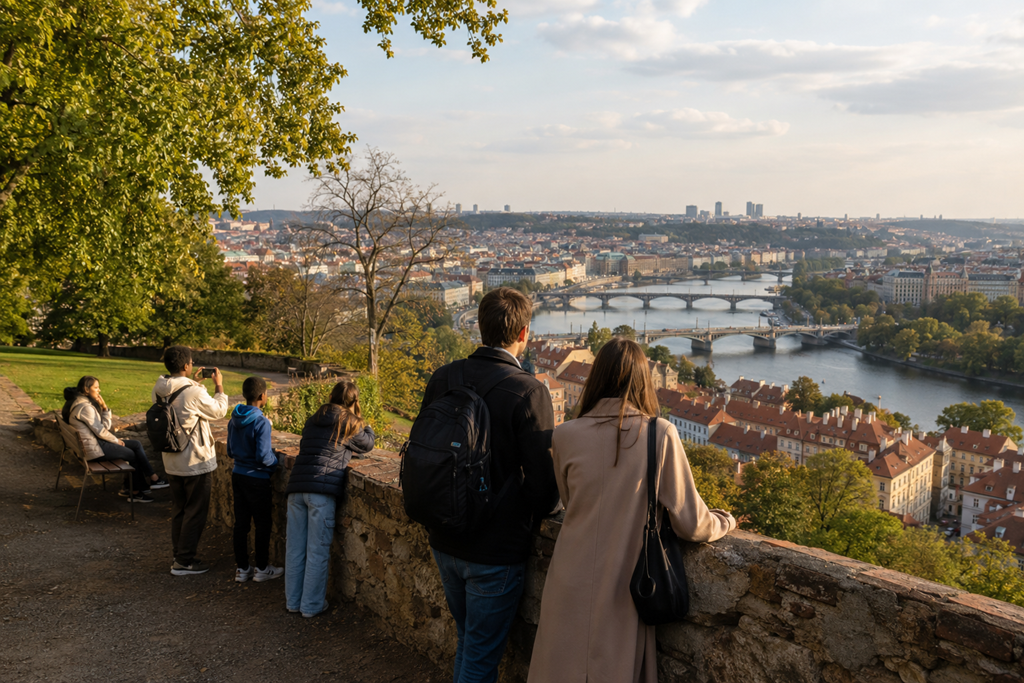
Prague is one of Europe’s most rewarding cities for a first visit: beautiful, walkable, historic, and full of neighborhoods that reveal themselves slowly. With three days, you can see the major landmarks without rushing from one attraction to the next.
This itinerary is built for first-time visitors who want a clear, realistic plan. It balances Prague Castle and Charles Bridge with quieter walks, scenic viewpoints, local food experiences, and enough flexibility to adjust for weather, energy, and personal interests.
Before You Begin: How to Use This Prague Itinerary
Prague is best experienced on foot, but the city’s public transportation system is also useful when you want to save time or avoid steep hills. This itinerary groups sights by area so you can spend less time backtracking and more time enjoying the city.
A few helpful planning notes:
- Wear comfortable walking shoes, especially for cobblestone streets and castle-area hills.
- Check current opening hours before visiting churches, museums, and historic interiors.
- Book ahead during busy travel periods for popular attractions and guided tours.
- Start early for places like Charles Bridge, Old Town Square, and Prague Castle if you want a quieter experience.
- Leave space for wandering. Some of Prague’s best moments happen between the major stops.
Day One: Old Town, Charles Bridge, and Classic Prague Views
Your first day focuses on Prague’s historic core. This is where many of the city’s most recognizable sights are located, and it gives you a strong sense of Prague’s layout, architecture, and atmosphere.
Morning: Start in Old Town Square
Begin in Old Town Square, one of Prague’s most famous gathering places. It is surrounded by colorful facades, Gothic towers, churches, and historic buildings that make it a natural first stop.
Spend time taking in the square before moving too quickly. Look for the Church of Our Lady before Týn, the Old Town Hall, and the Astronomical Clock. The clock is popular with visitors, but it is best appreciated as part of the larger square rather than as a single must-see moment.
If you enjoy viewpoints, consider visiting the Old Town Hall tower for a broad view over the red rooftops and surrounding streets. Check current access and hours before going.
Late Morning: Wander the Old Town Streets
After Old Town Square, explore the nearby lanes at an easy pace. Prague’s Old Town is full of narrow streets, small courtyards, historic storefronts, and architectural details that reward slow walking.
You do not need a strict route here. Let yourself move through the side streets between Old Town Square, the Jewish Quarter, and the river. This part of the city can feel busy, but stepping just a little away from the main paths often makes the experience more relaxed.
Midday: Visit the Jewish Quarter
Prague’s Jewish Quarter, also known as Josefov, is one of the most historically important areas of the city. It is home to several synagogues, the Old Jewish Cemetery, and sites connected to centuries of Jewish history in Prague.
This is a good place to slow down and approach the visit thoughtfully. Depending on your interests, you may want to visit the Jewish Museum sites or simply walk through the neighborhood and learn more about its history. If you plan to enter multiple sites, check current ticketing details before you go.
Afternoon: Cross Charles Bridge
From the Old Town side, walk toward Charles Bridge. This historic stone bridge connects Old Town with Malá Strana and offers one of the most memorable walks in Prague.
Charles Bridge is beautiful at almost any time, but it is also one of the busiest places in the city. If you prefer fewer crowds, return early on another morning. For your first crossing, take your time, look back toward Old Town, and notice the statues, river views, and skyline of Prague Castle ahead.
Late Afternoon: Explore Malá Strana
Once across the bridge, spend time in Malá Strana, also called Lesser Town. This neighborhood has baroque buildings, quiet lanes, garden walls, churches, and a softer pace than the busiest parts of Old Town.
Good stops in this area include St. Nicholas Church, Kampa Island, and the streets leading toward the castle hill. Kampa Island is especially nice for a slower walk along the water, with views back toward Charles Bridge and the Old Town skyline.
Evening: Enjoy Dinner Near Malá Strana or Old Town
For your first evening, choose dinner in Malá Strana or return to Old Town. Prague has plenty of traditional Czech restaurants, modern European dining, cafés, and casual places for a simple meal.
For a classic first-night experience, look for dishes such as roast meats, dumplings, cabbage, soups, or Czech-style goulash. Beer culture is also a major part of Prague’s food scene, though you can enjoy the city’s restaurants without making beer the focus.
If you still have energy after dinner, walk along the river or return to Old Town Square after dark. Prague’s historic buildings are especially atmospheric in the evening.
Day Two: Prague Castle, Gardens, and Malá Strana
Your second day focuses on Prague Castle and the hill above the city. This is one of the most important areas in Prague, and it deserves enough time to explore without feeling rushed.
Morning: Visit Prague Castle
Start your day at Prague Castle, one of the city’s essential sights. The castle complex includes courtyards, churches, palaces, museums, and viewpoints. It is not just one building, so plan to spend several hours here.
The highlight for many visitors is St. Vitus Cathedral, with its Gothic architecture, stained glass, and dramatic interior. Other notable areas may include the Old Royal Palace, Golden Lane, and St. George’s Basilica, depending on your ticket and interests.
Because details can change, check current visitor information before you go. Some areas may require specific tickets, and certain parts of the complex may have different access rules.
Midday: Take in the Castle Views
One of the best parts of visiting Prague Castle is the view back over the city. From the castle area, you can see the Vltava River, Old Town, church towers, bridges, and Prague’s red rooftops.
This is a good moment to pause rather than immediately moving on to the next sight. The elevated perspective helps you understand how the city fits together.
Afternoon: Walk Down Through Malá Strana
After visiting the castle, walk downhill through Malá Strana. This is more enjoyable than rushing back by transit because the streets, stairways, and views are part of the experience.
Depending on your route, you may pass quiet lanes, historic houses, embassies, small cafés, and church domes. This is a good time to take a break for coffee, lunch, or something sweet.
Optional Stop: The Wallenstein Garden
If the garden is open during your visit, the Wallenstein Garden can be a peaceful stop near Malá Strana. It is known for its formal layout, historic atmosphere, and elegant setting.
Because garden access can vary by season and schedule, treat this as a flexible addition rather than a fixed requirement.
Late Afternoon: Visit Petřín Hill or Letná Park
For another viewpoint, choose either Petřín Hill or Letná Park.
Petřín Hill is a green escape with walking paths and wide city views. It is a good choice if you want a nature break and do not mind a climb or using transportation part of the way.
Letná Park offers one of the best views of Prague’s bridges over the Vltava River. It is especially rewarding if you enjoy photography, skyline views, or a less formal outdoor stop.
You do not need to do both in one day. Choose based on your energy level and where you want to end up for the evening.
Evening: Dinner and a Slower Night
After a castle-focused day, keep the evening simple. Choose a neighborhood restaurant, take a river walk, or enjoy a relaxed drink in Malá Strana, Old Town, or near your hotel.
This is also a good night for a classical music performance if that interests you. Prague has a long musical tradition, and concerts are often held in churches and historic venues. Since schedules vary, check current listings while planning.
Day Three: New Town, Vyšehrad, and Local Prague
Your third day gives you a broader sense of Prague beyond the most famous postcard views. You will still see historic places, but the focus shifts toward neighborhoods, everyday streets, and a more rounded experience of the city.
Morning: Explore Wenceslas Square and New Town
Begin in New Town, which is newer than Old Town by Prague standards but still deeply historic. Wenceslas Square is one of the city’s major public spaces and has been the setting for important moments in Czech history.
This area feels different from Old Town. It is busier, broader, and more commercial, but it helps show Prague as a living capital rather than only a preserved historic center.
Nearby, you can visit the National Museum if you are interested in Czech history, culture, or architecture. Check current exhibitions and entry details before planning your visit.
Late Morning: Walk Toward the Dancing House and Riverfront
From New Town, make your way toward the river and the Dancing House. This modern architectural landmark is a striking contrast to Prague’s older buildings and makes a worthwhile quick stop.
Continue along the riverfront for views across the Vltava. This part of the city is good for a slower walk and offers a different perspective from the busier Charles Bridge area.
Midday: Visit Vyšehrad
Spend the middle part of your day at Vyšehrad, a historic fortress area south of the main center. It is one of the best places to experience Prague with more space and fewer first-time visitor crowds.
Vyšehrad offers fortress walls, river views, green areas, and the Basilica of St. Peter and St. Paul. The cemetery here is also significant, with many important Czech cultural figures buried there.
This is a strong third-day stop because it adds depth to your understanding of Prague. You still get history and views, but in a quieter setting than Prague Castle or Old Town Square.
Afternoon: Choose a Museum, Market, or Neighborhood Walk
For your final afternoon, choose one experience based on your travel style.
If you enjoy museums, consider spending more time at the National Museum, the National Gallery, or another cultural institution that fits your interests.
If you prefer food and everyday life, look for a market hall, bakery, café, or traditional Czech meal in a neighborhood outside the most crowded tourist streets.
If you want a scenic walk, return to the river, explore more of Malá Strana, or wander through Vinohrady, a residential neighborhood known for leafy streets, cafés, and local character.
The goal is not to squeeze in every possible sight. It is to end your trip with a more personal sense of the city.
Evening: Return to Your Favorite View
For your final evening, return to the place that stood out most: Charles Bridge, Letná Park, Old Town Square, the riverfront, or a quiet street in Malá Strana.
Prague is a city that rewards repetition. Seeing the same view at a different time of day often feels like a new experience.
Where to Stay for a First Prague Visit
For a first visit, the most convenient areas are Old Town, Malá Strana, New Town, and areas close to reliable public transportation.
Old Town is best if you want to be close to major landmarks and do not mind more crowds. Malá Strana is scenic and historic, with easier access to Prague Castle and Charles Bridge. New Town can be practical for transportation, restaurants, and a slightly more everyday city feel.
Vinohrady is a good option if you prefer a neighborhood atmosphere while still being close to the center by transit.
Getting Around Prague
Prague is very walkable, especially in the central areas, but public transportation is useful for longer distances, hills, and tired feet. Trams, metro lines, and buses connect much of the city.
For this itinerary, you can walk most routes if you are comfortable covering several miles a day. Use trams or the metro when moving between farther areas like Vyšehrad, Vinohrady, or your hotel.
Before using public transportation, check current ticket rules and validation requirements. Systems can vary by city, and it is worth understanding the basics before your first ride.
Best Time to Visit Prague
Prague can be visited year-round, but spring and fall are especially appealing for comfortable walking weather and a pleasant city atmosphere. Summer brings longer days and more visitors, while winter can be atmospheric with colder temperatures and shorter daylight hours.
No season is perfect for everyone. If you want mild weather, aim for shoulder-season travel. If you enjoy festive streets and do not mind the cold, winter has its own charm. If you travel in peak periods, book lodging and major attractions earlier.
What to Eat and Drink in Prague
Czech food is hearty, comforting, and well suited to a walking-heavy itinerary. Traditional meals often include roasted meats, sauces, dumplings, potatoes, cabbage, soups, and baked dishes.
Prague is also known for beer culture, historic pubs, cafés, pastries, and a growing range of international restaurants. For a balanced food experience, try at least one traditional Czech meal, one café stop, and one casual neighborhood restaurant away from the busiest sightseeing streets.
You do not need to chase famous restaurants to eat well in Prague. Focus on places that fit your route, feel comfortable, and offer a menu that matches the kind of meal you want.
A Realistic 3-Day Prague Itinerary at a Glance
Day One
Old Town Square
Old Town streets
Jewish Quarter
Charles Bridge
Malá Strana
Dinner in Old Town or Malá Strana
Day Two
Prague Castle
St. Vitus Cathedral
Castle viewpoints
Malá Strana walk
Petřín Hill or Letná Park
Optional evening concert or river walk
Day Three
Wenceslas Square
New Town
Dancing House and riverfront
Vyšehrad
Museum, market, or neighborhood walk
Final evening viewpoint
Final Planning Notes for First-Time Visitors
Three days in Prague gives you enough time to see the classic sights while still leaving room for wandering, food, and slower moments. The key is to group your days by geography: Old Town and Charles Bridge first, Prague Castle and Malá Strana second, then New Town and Vyšehrad on the final day.
Try not to treat Prague as a checklist. The major landmarks are worth seeing, but the city’s real appeal often comes from the walk between them: a quiet courtyard, a view over rooftops, a tram passing through a historic street, or a simple meal after a long day of exploring.
With a thoughtful plan and enough flexibility, three days is a satisfying amount of time for a first visit.
Download Our Free E-book!