Monterey is one of California’s most rewarding coastal destinations because it combines ocean scenery, marine wildlife, local history, and easy-to-enjoy waterfront areas in a compact trip. You can spend the morning watching sea otters, the afternoon walking Cannery Row, and the evening looking out over Monterey Bay without feeling like you need to rush across a large city.
This guide focuses on classic, durable things to do in Monterey: scenic drives, waterfront walks, historic sites, wildlife experiences, beaches, parks, and local food experiences that are likely to remain useful for first-time visitors and returning travelers alike.
Monterey’s Waterfront And Coastal Classics
1)) Visit the Monterey Bay Aquarium
The Monterey Bay Aquarium is one of Monterey’s most important attractions and a strong starting point for understanding the region’s marine environment. It sits at the ocean’s edge on historic Cannery Row and focuses on the wildlife and ecosystems of Monterey Bay and the Pacific Coast.
It is especially worthwhile if you enjoy sea otters, kelp forest exhibits, jellyfish, tide pool life, and ocean conservation. Families, couples, solo travelers, and first-time visitors can all get something meaningful from it.
Because it is popular, check current ticketing and entry details before you go. If Monterey Bay Aquarium is a major reason for your trip, plan it early in your itinerary rather than saving it for your final hour in town.
2)) Walk Cannery Row
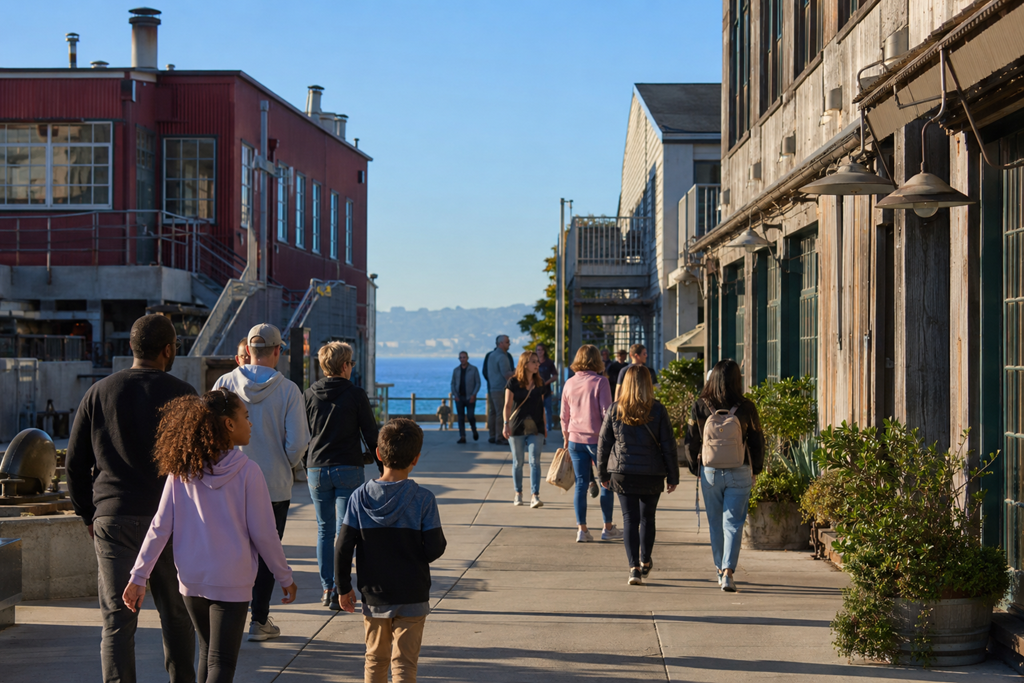
Cannery Row is Monterey’s most famous waterfront district, known for its historic sardine-canning past, John Steinbeck connection, shops, restaurants, lodging, and views of Monterey Bay. The Cannery Row Business Association describes it as a waterfront district along the Monterey Bay National Marine Sanctuary and notes its connection to Steinbeck’s 1945 novel Cannery Row.
It is not a hidden gem, but it is still worth doing because it brings together many of Monterey’s signature experiences in one walkable area. You can browse, eat, look for sea otters offshore, visit the aquarium, and take in the old industrial character that shaped the city.
For a better experience, walk beyond the busiest storefronts and spend time near the water. Cannery Row is best when you treat it less like a shopping stop and more like a historic coastal district.
3)) Stroll Old Fisherman’s Wharf
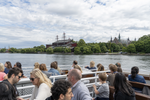
Old Fisherman’s Wharf is another classic Monterey stop, especially for visitors who want bay views, seafood, boat tours, and a lively harbor atmosphere. The official wharf site highlights whale watching, fishing, sailing, live theater, and observing sea lions as key activities.
This is a good place to walk without a strict plan. You can look across the harbor, listen for sea lions, consider a bay cruise, or sit down for a seafood meal. It is touristy in parts, but it still offers an easy introduction to Monterey’s working waterfront and visitor-friendly harbor scene.
If you are short on time, pair Old Fisherman’s Wharf with the nearby Custom House Plaza and downtown historic sites.
4)) Follow the Monterey Bay Coastal Recreation Trail
The Monterey Bay Coastal Recreation Trail is one of the easiest ways to enjoy Monterey without needing a car for every stop. The trail links major waterfront areas and gives visitors access to ocean views, beaches, harbor areas, and Cannery Row.
It is ideal for walking, biking, or simply connecting several attractions at a slower pace. A good first-time route is to walk between Old Fisherman’s Wharf and Cannery Row, stopping for harbor views, wildlife watching, coffee, or photos along the way.
This is one of the best things to do in Monterey because it helps the city feel connected. Instead of seeing each attraction as a separate stop, the trail lets you experience the coastline as one continuous part of the trip.
5)) Look for Sea Lions and Sea Otters Along the Bay
Monterey is one of the best California coastal towns for casual wildlife watching. You do not always need a formal tour to enjoy it. Around the harbor, wharf, Cannery Row, coastal trail, and rocky shoreline, visitors often look for sea lions, harbor seals, sea birds, and sea otters.
The key is to slow down and scan the water. Sea otters can be easy to miss at first because they may look like floating kelp from a distance. Bring binoculars if you have them, and always watch wildlife from a respectful distance.
This activity is especially good for travelers who want a memorable Monterey experience without adding another paid attraction to the day.
Scenic Drives, Viewpoints, And Outdoor Experiences
6)) Drive 17-Mile Drive
17-Mile Drive is one of the Monterey Peninsula’s most famous scenic routes, known for coastal views, cypress trees, golf courses, rocky shoreline, and stops such as the Lone Cypress. See Monterey lists 17-Mile Drive among the area’s iconic attractions, along with Monterey Bay Aquarium, Point Lobos, Cannery Row, and Old Fisherman’s Wharf.
It is best for travelers who want a classic coastal drive with easy scenic stops. Give yourself enough time to pull over, take photos, and enjoy the landscape rather than treating it like a quick road between Monterey and Carmel.
Before you go, check current access details, since fees and entry points can change.
7)) Visit Point Lobos State Natural Reserve
Point Lobos State Natural Reserve is just south of Monterey near Carmel and is one of the most beautiful natural areas on the Central Coast. It is known for rocky coves, trails, ocean views, coastal wildlife, and dramatic meeting points between land and sea.
Although it is outside Monterey proper, it belongs on most Monterey-area itineraries because it captures the wild coastal beauty that makes the region special. It is especially good for hikers, photographers, nature lovers, and anyone who wants a quieter counterpoint to Cannery Row.
Parking can be limited during busy travel periods, so arrive earlier in the day when possible and check current park guidance before visiting.
8)) Spend Time at Lovers Point Park
Lovers Point Park in nearby Pacific Grove is a scenic coastal stop with lawns, rocky shoreline, beach access, and open water views. It works well as a short visit, a picnic stop, or part of a longer walk or bike ride along the coast.
This is one of the best lower-effort things to do near Monterey because it gives you the feeling of the Peninsula without requiring a long hike. It is also a good sunrise or morning stop if you want a peaceful start before busier attractions.
Pair it with Pacific Grove, the coastal trail, or the Monarch Butterfly Sanctuary if you are exploring beyond downtown Monterey.
9)) Walk Asilomar State Beach
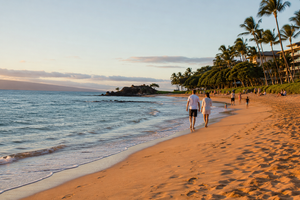
Asilomar State Beach in Pacific Grove offers a different coastal mood than Monterey’s harborfront. Expect dunes, boardwalk sections, wave views, and a more open stretch of shoreline.
It is a good choice if you want a less commercial beach experience and enjoy walking rather than sunbathing. The scenery is simple and restorative: sand, surf, native coastal plants, and wide ocean views.
Bring layers, since the Monterey Peninsula can feel cool and breezy even when inland California is warm.
10)) Relax at Del Monte Beach
Del Monte Beach is a long sandy beach in Monterey that works well for a quieter beach walk, especially if you want something less crowded than the main visitor areas. It is not the place to go for a packed boardwalk scene. Its appeal is space, sand, and an easy shoreline experience.
This is a good option for travelers staying in Monterey who want to start or end the day by the water. It is also useful for families who need a simple outdoor break between structured sightseeing stops.
As with any Central Coast beach, expect changing wind, fog, and water conditions. Dress for comfort rather than assuming warm beach weather.
History, Culture, And Local Character
11)) Explore Monterey State Historic Park
Monterey State Historic Park preserves some of the city’s most important historic buildings and gives visitors a deeper sense of Monterey’s role in California history. The City of Monterey notes the area’s Spanish-era adobes and long history as part of what welcomes visitors to the city.
This is a good activity for travelers who want more than scenery. You can explore historic plazas, adobe buildings, and interpretive areas that help explain Monterey’s past as a Spanish, Mexican, and early American settlement.
It pairs naturally with Old Fisherman’s Wharf and downtown Monterey, making it easy to add history to a waterfront-focused day.
12)) Visit Custom House Plaza
Custom House Plaza is a useful stop if you want an easy introduction to Monterey’s historic core. It is near the wharf and connects well with nearby historic buildings, walking routes, and downtown areas.
The plaza is not usually a full-day attraction, but it adds context. It helps visitors see Monterey as more than an aquarium-and-coast destination. The city has deep roots, and this area makes those roots visible.
Visit it before or after Old Fisherman’s Wharf, especially if you enjoy historic architecture and open public spaces.
13)) See Colton Hall
Colton Hall is one of Monterey’s key historic landmarks and is closely connected to early California government history. It is a worthwhile stop for travelers interested in civic history, architecture, or the story of California’s transition into statehood.
This is not the flashiest attraction in Monterey, which is part of its value. It gives the trip a quieter historical layer and helps balance the more visitor-heavy waterfront areas.
Check current access before you go, since smaller historic sites may have changing hours or limited interior availability.
14)) Walk Through Downtown Monterey
Downtown Monterey is worth exploring for restaurants, historic buildings, local businesses, and a more everyday sense of the city. It is especially useful as a meal stop or evening walk after spending time along the bay.
The area around Alvarado Street is one of the main downtown corridors. Rather than building your whole trip around it, use downtown Monterey as a flexible anchor: a place to eat, walk, browse, and reset between coastal activities.
It is also a practical base if you want to stay somewhere walkable to both the wharf and historic sites.
15)) Visit the Monterey Museum of Art
The Monterey Museum of Art is a good choice when you want a cultural stop that is not centered on the water. It can be especially helpful on foggy, windy, or rainy days when a fully outdoor plan feels less appealing.
The museum gives visitors a chance to connect with regional creativity and visual culture. It is best for travelers who enjoy art, slower-paced indoor stops, or adding variety to a trip that might otherwise be dominated by coastline and seafood.
Check current exhibitions and hours before visiting, since museum programming can change over time.
Wildlife, Boats, And Family-Friendly Stops
16)) Take a Whale-Watching Tour
Monterey Bay is widely known for whale watching, and Old Fisherman’s Wharf is a common departure area for boat tours. See Monterey describes Old Fisherman’s Wharf as a destination for whale watching, fishing, sailing, marine life, dining, shopping, and bay views.
A whale-watching tour can be one of the most memorable things to do in Monterey, but it is best approached with realistic expectations. Wildlife is never guaranteed, ocean conditions vary, and the experience can be chilly or bumpy.
Bring layers, consider motion-sickness preparation if needed, and choose a reputable operator. Book ahead during busy periods, especially if your schedule is limited.
17)) Go Kayaking or Paddle Near Cannery Row
Kayaking gives you a closer, lower-to-the-water view of Monterey Bay. Depending on conditions, visitors may paddle near kelp beds, look for sea otters from a safe distance, and experience the shoreline from a different angle.
This is best for active travelers who are comfortable on the water or willing to take a guided outing. It can feel more personal than viewing the bay from land, but it also depends more on weather and ocean conditions.
Check current conditions, choose a responsible outfitter, and follow all wildlife-distance guidance. Monterey’s marine environment is beautiful, but it should be treated carefully.
18)) Visit Dennis the Menace Playground
Dennis the Menace Playground is a strong option for families with younger children who need a break from museums, shopping, and scenic drives. It is a classic Monterey family stop with space for kids to move, climb, and play.
This activity is less about sightseeing and more about making the trip easier for everyone. If you are traveling with children, a well-timed playground stop can make the rest of the day smoother.
Pair it with nearby downtown or waterfront activities so you are not adding unnecessary driving.
19)) Stop by Pacific Grove’s Monarch Butterfly Sanctuary
Pacific Grove’s Monarch Butterfly Sanctuary is a seasonal nature experience, but it remains one of the area’s distinctive wildlife-related stops. Because monarch presence varies by season and year, treat it as a thoughtful add-on rather than the only reason for a visit.
It is best for travelers who enjoy nature, quiet walks, and learning about local habitats. If butterflies are present during your trip, it can be memorable. If not, Pacific Grove is still worth visiting for its coastline, small-town feel, and nearby beaches.
Check current seasonal guidance before making a special trip.
20)) Eat Seafood With a View of the Bay
Seafood is part of the Monterey experience, especially around Old Fisherman’s Wharf, Cannery Row, and the waterfront. You do not need to chase one “best” restaurant to enjoy it. A simple meal with clam chowder, grilled fish, calamari, or local seafood near the bay can be just as satisfying as a heavily planned reservation.
For an evergreen approach, focus less on trendy rankings and more on setting, freshness, menu fit, and convenience. Choose a place that matches your day: a casual wharf meal after a boat tour, a Cannery Row dinner after the aquarium, or a quieter downtown restaurant if you want to step away from the busiest visitor zones.
During popular travel periods, book ahead for sit-down meals or keep a backup option in mind.
How To Prioritize Your Time In Monterey
If you only have one day in Monterey, focus on the waterfront: Monterey Bay Aquarium, Cannery Row, the coastal trail, Old Fisherman’s Wharf, and one good seafood meal. This gives you the clearest sense of the city without spending too much time in the car.
With two days, add 17-Mile Drive, Pacific Grove, and a beach or scenic walk. This makes the trip feel more complete and gives you time to enjoy the Peninsula’s coastline beyond the main visitor corridor.
With three or more days, include Point Lobos, kayaking or whale watching, downtown historic sites, and a slower meal or museum stop. Monterey is best when you leave space for weather, wildlife, and unplanned views.
Practical Monterey Travel Notes
Monterey’s weather can be cool, foggy, and breezy even when the rest of California feels warm. Pack layers, comfortable walking shoes, and a wind-resistant outer layer if you plan to spend time near the water.
A car is helpful for 17-Mile Drive, Point Lobos, Carmel, Pacific Grove, and beaches farther from downtown. But once you are near the waterfront, walking and biking can be more pleasant than repeatedly moving your car.
For popular attractions, boat tours, and peak travel periods, check current hours, reservation requirements, and access details before you go. The best Monterey trip is usually not overpacked. Choose a few major experiences, leave room for the coastline, and let the bay be part of the plan.
Download Our Free E-book!