A staycation feels restful when it stops feeling like a normal day at home.
That does not mean you need to turn your house into a resort, buy a long list of supplies, or plan every hour like an itinerary. It means creating enough separation from your usual routine that your mind and body can recognize the time as a real break.
For many people, the problem is not that staying home cannot be relaxing. The problem is that home is already loaded with chores, unfinished tasks, screens, work reminders, clutter, errands, and habits that keep the day feeling ordinary. A restful staycation needs a little intention, not a full production.
The goal is simple: make your time at home feel different enough to be restorative, while keeping it easy enough that planning it does not become another chore.
A Staycation Should Feel Like Permission to Pause
A good staycation gives you permission to step out of normal responsibility mode for a while.
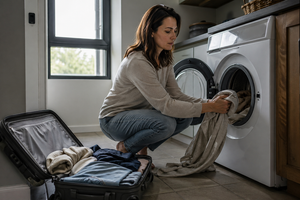
That can be surprisingly hard at home. When you are in your own space, it is easy to notice laundry, dishes, email, bills, repairs, and everything else that usually competes for your attention. Even when you technically have free time, your environment may keep reminding you of what still needs to be done.
This is why a staycation can feel disappointing. You may have imagined a restful weekend, but by Sunday night, it feels like you mostly scrolled, cleaned, snacked, watched random shows, and never fully relaxed.
A restful staycation is not about doing nothing perfectly. It is about gently changing the conditions around you so rest feels easier to enter.
The Most Relaxing Staycations Have Boundaries
One of the simplest ways to make a staycation feel restful is to create a boundary between normal home life and staycation time.
That boundary does not have to be dramatic. It may be as simple as deciding that one room is your relaxation space for the day. It may mean putting work materials out of sight, pausing nonessential chores, or setting a loose “vacation mode” rule where you only do what supports rest, pleasure, or comfort.
Without boundaries, a staycation can become a regular weekend with a nicer label. You are home, but your brain never receives the message that you are off duty.
A few helpful boundaries might include:
- No work email during staycation hours
- No major cleaning projects
- No errands unless they directly support the day
- No guilt for not being productive
- No turning the staycation into a self-improvement marathon
The point is not to control every moment. It is to protect the feeling of being away, even while you are physically still at home.
Make One Part of Your Home Feel Different
You do not need to redesign your whole home to enjoy a staycation. It is often enough to make one area feel noticeably calmer.
That might be your bedroom, living room, patio, bathroom, reading chair, dining table, or backyard. The space does not need to look perfect. It only needs to feel slightly removed from the usual pace of daily life.
Small changes can help:
- Fresh sheets or a made bed
- A cleared-off nightstand
- Soft lighting in the evening
- A clean bathroom counter
- A favorite drink prepared slowly
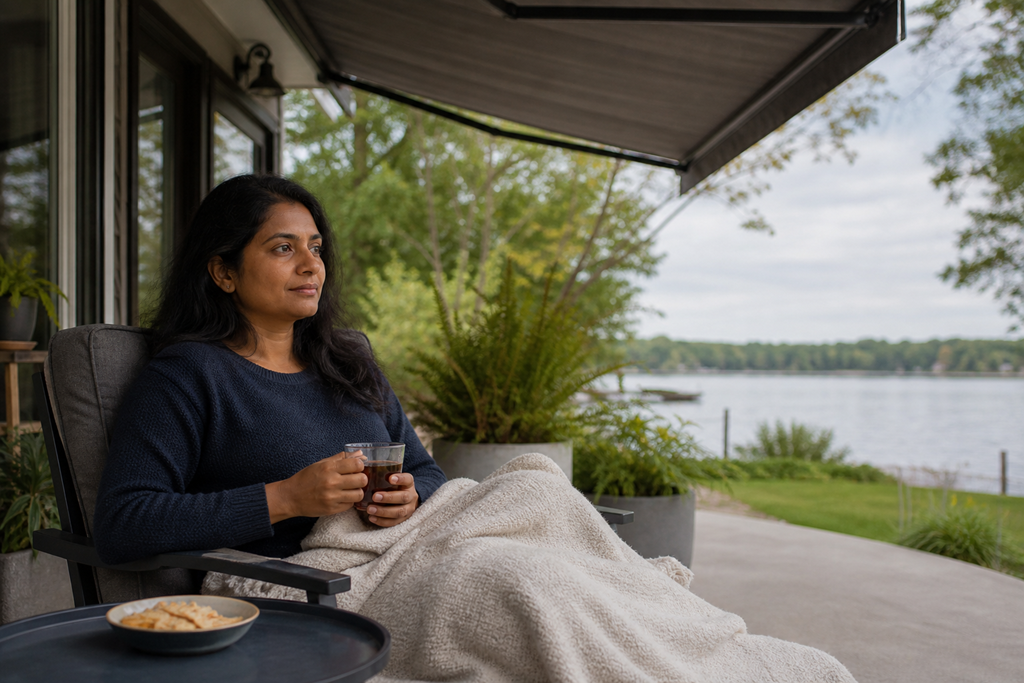
- A cozy blanket placed where you will actually use it
- A chair near a window
- A quiet corner without your laptop nearby
The mistake many people make is thinking the whole house has to be clean before they can relax. That turns the staycation into a preparation project. Instead, choose one small zone and let that be enough.
A staycation becomes more restful when your environment gives you fewer signals to keep working.
Choose Rest That Matches What You Actually Need
Not everyone relaxes the same way.
Some people need quiet. Others need novelty. Some need sleep. Some need gentle movement. Some need time alone. Some need a slow meal, a movie, a long bath, a creative activity, or a walk around the neighborhood.
A staycation feels better when you stop copying someone else’s version of rest and ask what kind of recovery you actually need.
If you are mentally drained, you may need fewer decisions and less screen time.
If you are physically tired, you may need sleep, stretching, simple meals, and low-effort comfort.
If you feel emotionally overloaded, you may need quiet, journaling, music, or time away from constant conversation.
If life has felt repetitive, you may need novelty: breakfast outside, a living-room movie night, a new recipe, a scenic drive, or a different morning routine.
Rest is not always silence. It is whatever helps your system stop bracing, rushing, performing, or managing.
Plan Lightly So the Day Does Not Disappear
A staycation does not need a strict schedule, but a little structure helps.
Without any plan, the day can dissolve into default habits. You may wake up late, check your phone, start doing chores, lose track of time, and then feel like the break never really began.
A light plan gives the day shape without making it rigid.
For example, you might decide:
- Morning is for slow coffee, reading, or breakfast
- Afternoon is for one enjoyable activity
- Evening is for a meal, bath, movie, or early bedtime
That is enough. You do not need to fill every hour.
The purpose of planning is not productivity. It is protection. You are protecting the day from becoming ordinary by giving yourself a few simple anchors.
Avoid Turning Relaxation Into Another Assignment
One reason people struggle to relax at home is that they accidentally turn rest into a task list.
They plan the perfect bath, perfect meal, perfect movie night, perfect morning routine, perfect digital detox, and perfect home atmosphere. Then the staycation becomes something to execute instead of something to experience.
A restful staycation should have room for ease. It should not require constant setup, documenting, optimizing, or measuring.
You are allowed to keep it simple.
You are allowed to nap instead of making the day impressive.
You are allowed to order takeout instead of cooking something special.
You are allowed to enjoy a clean corner even if the rest of the house is not perfect.
You are allowed to stop trying to make the staycation look like an online version of relaxation.
The best staycation is not the one that photographs well. It is the one that helps you feel more like yourself again.
Let Food Feel Easy and Enjoyable
Food can make a staycation feel more intentional, but it should not create more stress.
A simple breakfast, a snack tray, a favorite drink, a slow dinner, or a no-rush lunch can help the day feel different from your normal routine. You do not need restaurant-level meals. You just need food that supports the mood you want.
For some people, that means making something special at home. For others, it means choosing takeout without guilt. For someone else, it might mean prepping easy meals the day before so the staycation itself feels lighter.
The key is to avoid turning meals into another performance. Let food be part of the rest, not the thing that drains your energy before you even get to relax.
Give Yourself a Break From Normal Inputs
A staycation often feels more restful when you reduce the noise around you.
That does not mean you have to avoid all screens or sit in silence. It means being honest about what keeps pulling you back into stress, comparison, urgency, or distraction.
For many people, the biggest problem is not watching a movie or listening to music. It is the constant checking: email, messages, news, social media, shopping apps, work platforms, and anything else that keeps the mind alert.
A gentle reset might look like:
- Keeping your phone in another room for part of the day
- Turning off work notifications
- Watching one chosen movie instead of scrolling endlessly
- Listening to music while cooking or resting
- Taking a walk without headphones
- Reading a physical book or magazine
- Having a screen-free first hour of the morning
The goal is not perfection. It is relief.
Even a few hours with fewer inputs can make home feel calmer.
Do Something That Feels Slightly Out of the Ordinary
Part of what makes travel refreshing is novelty. You see different surroundings, follow a different rhythm, and step outside your usual patterns.
A staycation can borrow some of that feeling without requiring a trip.
You might eat breakfast outside, sleep in fresh sheets, visit a local park, set up a hotel-style coffee tray, have a slow afternoon bath, watch a movie in the middle of the day, sit somewhere in your home you usually ignore, or take a scenic walk in your own neighborhood.
The activity does not have to be big. It just needs to interrupt autopilot.
When the day has even one moment that feels distinct, your mind is more likely to register it as time set apart.
Keep Chores From Taking Over the Break
Chores are one of the biggest reasons staycations fail.
Because you are home, it feels reasonable to “just do a few things.” But a few things can easily become a full reset of the house. Before you know it, the day has become cleaning, organizing, errands, and catching up.
That does not mean you cannot do any practical tasks. Sometimes a quick reset helps you relax. But there is a difference between clearing the kitchen so you can enjoy the evening and deep-cleaning the entire house because you feel guilty resting.
Try asking:
“Will this task help me enjoy the staycation, or is it pulling me back into normal responsibility mode?”
If the task supports the break, keep it small. If it expands the break into a workday, let it wait.
A Restful Staycation Does Not Have to Be Productive
One of the quiet pressures around time off is the feeling that it should somehow improve you.
You might feel like you should read more, cook better, exercise, declutter, journal, organize your life, reconnect with everyone, sleep perfectly, and return to normal life refreshed and transformed.
That is too much pressure for a day or weekend at home.
A staycation does not have to fix your life to be worthwhile. It can simply give you breathing room. It can help you slow down, enjoy your space, and remember that rest does not need to be earned through exhaustion.
Sometimes the most useful staycation is not impressive at all. It is quiet, simple, and ordinary in the best way.
What Actually Makes the Staycation Feel Restful
The most restful staycations usually have a few things in common.
They create separation from normal routines. They reduce unnecessary inputs. They make one part of home feel calmer. They include a few enjoyable moments. They avoid becoming chore days. And they give you permission to rest without turning rest into another project.
You do not need a perfect plan.
You need a clear signal that this time is different.
That signal might be a slower morning, a cleaner corner, a turned-off laptop, an easy meal, a long bath, a quiet walk, a movie you actually chose, or an evening where you do not try to catch up on everything.
A restful staycation is not about pretending you are somewhere else. It is about making where you are feel more peaceful, more intentional, and more supportive for a little while.
When you approach it that way, relaxing at home becomes much easier to believe in — and much easier to actually feel.
Download Our Free E-book!