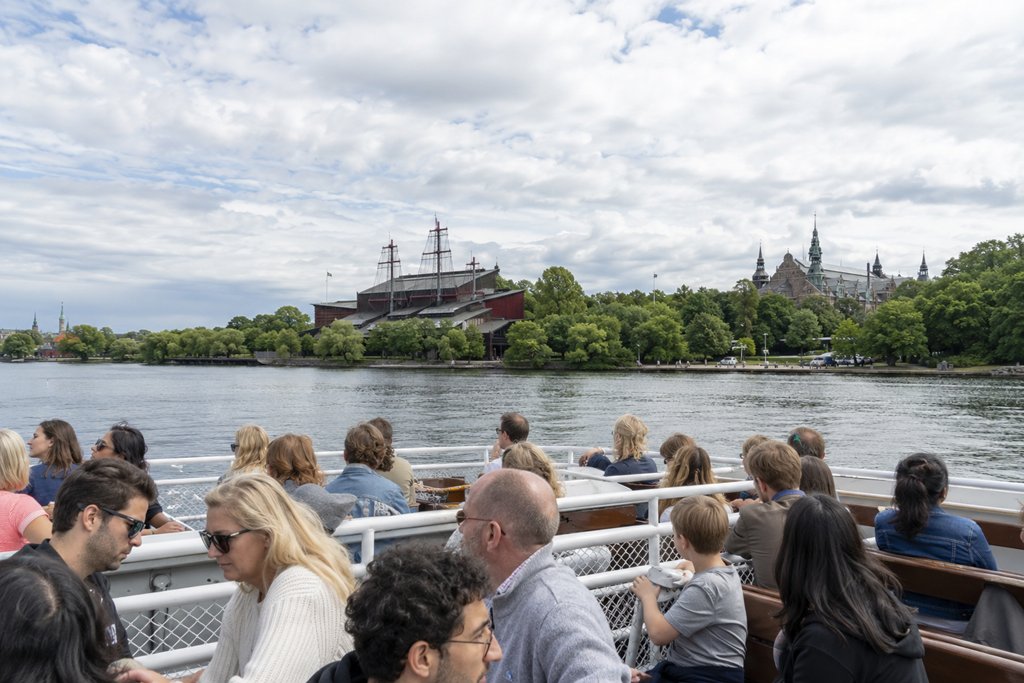
Stockholm is one of Europe’s most rewarding cities for first-time visitors because it feels both historic and easy to navigate. Built across islands and shaped by water, parks, design, museums, and walkable neighborhoods, the Swedish capital offers a trip that can be as cultural, scenic, or relaxed as you want it to be.
This guide will help you understand the city before you arrive: when to go, where to stay, which neighborhoods to explore, what attractions are worth prioritizing, how to get around, what to eat, and how to plan your time without feeling like you have to see everything at once.
Why Visit Stockholm?
Stockholm combines old-world streets, waterfront views, royal history, Nordic design, and peaceful green spaces in a way that feels distinct from many other European capitals. Visit Sweden describes the city as a place where rich history, nature, culture, modern architecture, and water all shape the experience.
For first-time visitors, the appeal is simple: you can walk through medieval Gamla Stan in the morning, visit world-class museums on Djurgården in the afternoon, take a ferry across the harbor, and end the day in a stylish neighborhood filled with cafés, restaurants, and design shops.
Stockholm is especially good for travelers who enjoy:
- History and architecture
- Museums and cultural attractions
- Scenic walks and waterfront views
- Public transportation that is easy to use
- Food, coffee, bakeries, and Nordic design
- A city experience that still feels close to nature
Best Time To Visit Stockholm
Stockholm has four distinct seasons, and each one changes the feel of the trip. Summers are bright and lively, winters can be cold or snowy, autumn brings strong colors in parks, and spring is a pleasant time for outdoor cafés and longer walks.
Late Spring To Early Fall
Late spring through early fall is the easiest period for a first visit. Days are longer, outdoor dining is more comfortable, parks are greener, and boat trips or waterfront walks are more appealing.
Summer is the most popular season, especially for visitors who want long daylight hours, island-hopping, and outdoor sightseeing. Book accommodations and major timed-entry attractions ahead during busier travel periods.
Autumn
Autumn can be a strong choice if you prefer cooler weather, fewer crowds, and atmospheric city walks. Stockholm’s parks, waterfronts, and older neighborhoods are especially pleasant when the leaves change.
Winter
Winter offers a quieter, cozier version of the city. It is best for travelers who do not mind cold weather and shorter daylight hours. Museums, cafés, restaurants, and design shops become a bigger part of the experience. Pack carefully, build in indoor breaks, and check current hours before visiting attractions.
How Many Days Do You Need In Stockholm?
For a first trip, three full days is a good minimum. That gives you enough time to explore the historic center, visit major museums, see several neighborhoods, and enjoy the waterfront without rushing.
A simple planning framework:
- 2 days: Good for a quick city break focused on Gamla Stan, Djurgården, and a few major sights
- 3 days: Best balance for most first-time visitors
- 4–5 days: Better if you want museums, slower meals, shopping, local neighborhoods, and a short archipelago experience
- 6+ days: Useful if Stockholm is part of a broader Sweden trip or you want day trips and deeper exploration
Best Areas To Stay In Stockholm
Stockholm’s central districts each have their own personality. Visit Stockholm highlights seven central areas inside the city, including Gamla Stan, Djurgården, Södermalm, Östermalm, Norrmalm, Vasastan, and Kungsholmen.
Gamla Stan
Gamla Stan, Stockholm’s Old Town, is the most atmospheric place to stay if you want cobblestone streets, historic buildings, and easy access to major landmarks. It is convenient for first-time sightseeing, but some streets can feel busy during the day.
Stay here if you want charm, history, and a central base.
Norrmalm
Norrmalm is Stockholm’s modern city center, useful for transportation, shopping, hotels, restaurants, and easy access to trains. It may feel less picturesque than Gamla Stan, but it is practical and well-connected.
Stay here if convenience matters most.
Södermalm
Södermalm has a more local, creative feel, with cafés, vintage shops, restaurants, viewpoints, and a slightly less formal atmosphere. Visit Stockholm describes it as an area known for nightlife, restaurants, and trend-focused shopping.
Stay here if you want a neighborhood feel with good food, shops, and views.
Östermalm
Östermalm is polished, elegant, and well-suited to travelers who want classic architecture, refined restaurants, boutiques, and access to cultural institutions. It is a good choice for a quieter, upscale base.
Stay here if you prefer a more refined city experience.
Djurgården
Djurgården is green, scenic, and home to many major attractions, including museums and family-friendly sights. It is lovely during the day, though it may feel less convenient at night depending on where you stay.
Stay here if museums, parks, and a quieter setting are priorities.
Key Neighborhoods To Explore
You do not need to see every neighborhood on your first visit. Focus on a few areas that give you a broad sense of the city.
Gamla Stan
Gamla Stan is the historic heart of Stockholm and one of the best places to begin. Walk slowly through the narrow lanes, stop at Stortorget, visit the Royal Palace area, and leave time to wander without a strict route.
It is best early in the morning or later in the day when the streets feel less crowded.
Djurgården
Djurgården is one of Stockholm’s most visitor-friendly areas because it combines museums, nature, waterfront paths, and family attractions in one place. Visit Stockholm notes that many of the city’s best-known attractions are located here, including the Vasa Museum, ABBA The Museum, Nordiska Museet, and Skansen.
Plan at least half a day here, or a full day if you enjoy museums.
Södermalm
Södermalm is ideal for cafés, independent shops, casual restaurants, and viewpoints. Monteliusvägen is one of the classic places to see Stockholm from above, with views across the water toward City Hall and the old city.
This is a good area to explore in the afternoon or evening.
Östermalm
Östermalm offers elegant streets, food halls, design stores, and a more classic Stockholm atmosphere. It is a good area for browsing, dining, and seeing a polished side of the city.
Norrmalm
Norrmalm is practical rather than romantic, but it is useful for shopping, transportation, hotels, and cultural stops. It is also a good area to pass through when connecting different parts of the city.
Top Attractions And Experiences For First-Time Visitors
Stockholm is not a city where you need to chase every attraction. A better approach is to choose a few major sights, add scenic walks, and give yourself time to enjoy the city’s slower details.
Vasa Museum
The Vasa Museum is one of Stockholm’s most important attractions and a strong priority for first-time visitors. It centers on the preserved 17th-century warship Vasa and gives you a memorable look at Swedish maritime history.
This is especially worth prioritizing if you enjoy history, ships, design, or museums that feel unique to the destination.
Gamla Stan And Stortorget
Gamla Stan is a must for first-time visitors because it gives you the clearest sense of old Stockholm. Stortorget, the main square, is one of the most recognizable spots in the Old Town.
Rather than rushing through, treat the area as a walking experience. Look for side streets, small courtyards, old façades, and quiet corners away from the busiest paths.
The Royal Palace
The Royal Palace is one of the major landmarks in Gamla Stan. Even if you do not tour the interior, the exterior and surrounding streets are worth seeing as part of a walk through the Old Town.
Check current visitor details before you go, especially if you plan to enter.
Stockholm City Hall
Stockholm City Hall is one of the city’s most recognizable buildings and a good stop for architecture, history, and waterfront views. Visit Stockholm notes that the Nobel Banquet is held annually there and that the tower offers broad views over the city.
It fits well before or after a walk toward Gamla Stan.
Skansen
Skansen is an open-air museum on Djurgården that introduces Swedish history, traditional buildings, crafts, and cultural life. It is especially good for families, first-time visitors, and travelers who want context beyond central Stockholm.
Because it is partly outdoors, your experience may vary by weather and season.
ABBA The Museum
ABBA The Museum is a strong choice for music fans and anyone interested in Swedish pop culture. It is interactive and located on Djurgården, making it easy to combine with other museums in the area.
Book ahead during busy periods if it is a must-do for your trip.
Fotografiska
Fotografiska is a photography-focused museum with exhibitions, dining, and views over the water. It pairs well with time in Södermalm and can be a good indoor option if the weather is not ideal.
Monteliusvägen
Monteliusvägen is one of the best easy viewpoints in Stockholm. The path gives you classic views across the water toward Gamla Stan, Riddarholmen, and City Hall. It is especially nice around golden hour, though it is worth visiting at any time of day.
Stockholm’s Subway Art
Stockholm’s metro system is often treated as an attraction in itself because many stations include large-scale art and design. Visit Stockholm describes the underground as decorated with works by different artists.
You do not need a complicated route. Build it naturally into your transit use and stop at a few well-known stations if you enjoy public art.
A Waterfront Walk Or Ferry Ride
Water is central to the Stockholm experience. Even a simple ferry ride between central areas can make the city feel more memorable. Visit Stockholm notes that Djurgården can be reached by commuter ferry from Gamla Stan, which is a scenic and practical way to move between major sightseeing areas.
If you have extra time, consider a short archipelago outing, but do not force it into a short first visit.
Food And Drink In Stockholm
Stockholm’s food scene can be approached in a simple, enjoyable way: try Swedish classics, make time for coffee breaks, visit a food hall or market-style space, and leave room for modern Nordic cooking if it fits your budget.
Try A Traditional Swedish Meal
Look for classic dishes such as meatballs, herring, cured or smoked fish, potatoes, lingonberries, crispbread, and seasonal ingredients. Traditional meals are a good way to understand Swedish food culture without needing to chase specific restaurants.
Make Time For Fika
Fika is the Swedish coffee-and-pastry break, but it is also a social habit and a natural pause in the day. For travelers, it is one of the easiest ways to slow down between museums, walks, and sightseeing.
Try a cinnamon bun, cardamom bun, or simple pastry with coffee or tea.
Visit A Food Hall
A food hall is a practical way to sample Swedish flavors, see local ingredients, and take a break indoors. It can work well for lunch, browsing, or a low-pressure meal.
Balance Reservations And Flexibility
For special dinners, book ahead. For casual days, leave flexibility so you can stop when you find a café, bakery, or restaurant that fits your route.
Avoid building your trip around “best restaurant” lists alone. In Stockholm, the simple food moments—coffee, bread, seafood, market browsing, and relaxed lunches—can be just as memorable.
Getting Around Stockholm
Stockholm is easy to navigate without renting a car. For most first-time visitors, walking and public transportation are enough.
Stockholm’s public transportation system includes metro, tram, bus, ferry, and commuter train options, and SL is responsible for buses, underground trains, commuter trains, trams, and certain ferry lines in Greater Stockholm.
Walking
Many central areas are walkable, especially Gamla Stan, Norrmalm, Östermalm, and parts of Södermalm. Comfortable shoes matter because cobblestones, bridges, stairs, and waterfront paths are part of the experience.
Metro
The metro is useful, efficient, and visually interesting because of the station art. It is a good choice for longer distances or when the weather is cold or wet.
Ferries
Ferries are both practical and scenic. Use them when they make sense for your route, especially when connecting waterfront areas or visiting Djurgården.
Trams And Buses
Trams and buses fill in gaps where the metro is less convenient. They are useful for reaching certain museums, parks, and neighborhoods.
Airport Transfers
Stockholm has multiple airport transfer options depending on where you arrive, your budget, and your final destination. Before booking, compare train, bus, taxi, and ride service options using current information.
Practical Tips For First-Time Visitors
Plan By Area, Not By Attraction
Stockholm rewards geographic planning. Group Gamla Stan, City Hall, and central waterfront sights together. Save Djurgården for a museum-focused day. Pair Södermalm with viewpoints, cafés, and Fotografiska.
This reduces backtracking and makes the trip feel easier.
Check Opening Hours Before You Go
Museums, churches, palaces, and attractions may change hours by season or day of the week. Check current opening hours before you visit, especially for places that require tickets or timed entry.
Book Ahead For Must-Do Museums
You do not need to reserve everything, but if a museum or experience is central to your trip, book ahead during busy travel periods.
Bring Layers
Weather can shift, and waterfront areas may feel cooler than expected. Layers are useful in every season, especially if your day includes ferries, long walks, or evening viewpoints.
Use Cards, But Keep A Backup
Stockholm is highly card-friendly, and many travelers rarely need cash. Still, it is wise to have a backup payment method in case your card has an issue.
Do Not Overload Your Days
Stockholm is best when you leave time for walking, coffee, water views, and unplanned discoveries. Two major attractions in a day plus one neighborhood walk is often more enjoyable than trying to fit in five separate stops.
A Simple First-Time Stockholm Plan
Here is an easy framework for a first visit.
Day One: Old Stockholm And The Waterfront
Start in Gamla Stan. Walk the old streets, see Stortorget, pass the Royal Palace, and continue toward Stockholm City Hall or the surrounding waterfront.
In the afternoon, take your time with cafés, views, and central streets rather than rushing into too many museums.
Day Two: Djurgården Museums And Green Space
Spend the day on Djurgården. Choose one or two major attractions, such as the Vasa Museum, Skansen, ABBA The Museum, or Nordiska Museet.
Add a waterfront walk or ferry ride so the day does not feel entirely indoors.
Day Three: Södermalm, Views, And Local Stockholm
Explore Södermalm for cafés, shops, Fotografiska, and Monteliusvägen. Later, spend time in Östermalm or Norrmalm for food, design, shopping, or an evening cultural performance.
This gives you a balanced view of historic, cultural, scenic, and local Stockholm.
What To Prioritize If You Have Limited Time
If you only have a short stay, prioritize:
- Gamla Stan
- Vasa Museum
- A ferry or waterfront walk
- Djurgården
- Monteliusvägen or another city viewpoint
- Fika at least once
- One neighborhood beyond the old center, such as Södermalm or Östermalm
This combination gives you history, culture, water, food, and everyday city atmosphere without trying to do too much.
Common First-Time Mistakes To Avoid
Staying Too Far From The Center To Save A Little Money
A cheaper hotel far from your main sightseeing areas can cost you time and energy. If your visit is short, a central or well-connected base is usually worth it.
Treating Stockholm Like A Checklist
Stockholm is not just a museum-and-monument city. Some of the best moments come from ferries, viewpoints, quiet streets, parks, cafés, and slow walks near the water.
Forgetting That Weather Shapes The Trip
Build a flexible plan with indoor and outdoor options. Museums are helpful on cold or rainy days, while parks, ferries, and viewpoints are better when the weather is clear.
Skipping Public Transportation
Public transportation is part of the Stockholm experience. The metro, trams, buses, and ferries make it easy to see more of the city without relying on taxis.
Final Thoughts On Visiting Stockholm
Stockholm is a strong first-time destination because it offers variety without feeling chaotic. You can focus on history, museums, food, design, nature, or scenic walks and still come away with a satisfying trip.
The best way to experience the city is to plan lightly but thoughtfully: choose a central base, group your days by neighborhood, prioritize a few meaningful attractions, and leave enough space for coffee breaks, ferry rides, and quiet views over the water.
For many travelers, Stockholm’s appeal is not just one famous landmark. It is the way the city fits together: old streets, clean design, island views, green parks, thoughtful museums, and everyday moments that make the trip feel easy to enjoy.
Download Our Free E-book!