Copenhagen is one of Europe’s easiest cities to enjoy on a short trip. It has royal palaces, colorful harbor views, walkable neighborhoods, excellent museums, design shops, bike-friendly streets, and plenty of places where you can slow down without feeling like you are missing out.
This guide focuses on classic, lasting Copenhagen experiences that work especially well for a city break. You will find a mix of landmarks, neighborhoods, cultural stops, scenic walks, and food-focused ideas so you can build a trip that feels full but not rushed.
Classic Copenhagen Sights
1)) Walk Around Nyhavn
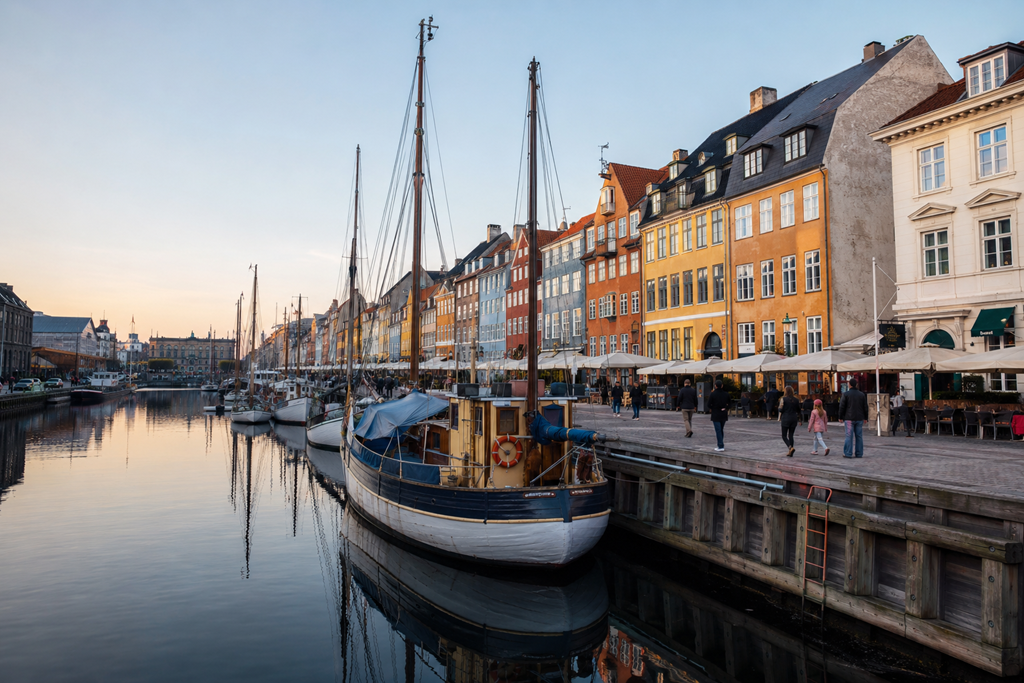
Nyhavn is one of Copenhagen’s most recognizable places, known for its colorful townhouses, historic harbor setting, and canal-side atmosphere. It is a popular first stop because it gives you an immediate sense of the city’s maritime past and postcard beauty. VisitDenmark lists Nyhavn among Copenhagen’s classic must-sees.
It is worth visiting even if you only walk through for a short time. The best way to enjoy it is not to treat it as a checklist photo stop, but as a starting point for exploring nearby streets, canals, and waterfront views.
Best for: first-time visitors, photographers, couples, and anyone who wants an easy introduction to Copenhagen.
Planning note: It can get busy, especially in pleasant weather. Go earlier in the day or walk just beyond the main harborfront for a quieter feel.
2)) Visit Tivoli Gardens
Tivoli Gardens is one of Copenhagen’s signature attractions, blending amusement park rides, gardens, restaurants, architecture, and old-world atmosphere. VisitDenmark describes Tivoli as a world-class amusement park and one of the city’s must-sees.
Even if you are not interested in rides, Tivoli can still be worthwhile for its landscaping, lighting, historic character, and central location. It works well in the afternoon or evening, especially if you want one attraction that feels distinctly Copenhagen rather than just another museum or monument.
Best for: families, couples, first-time visitors, and travelers who enjoy historic amusement parks.
Planning note: Check current opening dates and hours before you go, since seasonal schedules can vary.
3)) Take a Canal Tour
A canal tour is one of the easiest ways to understand Copenhagen’s layout. From the water, you can see historic buildings, modern architecture, bridges, houseboats, and waterfront landmarks without doing too much walking. VisitDenmark notes that canal tours often pass sights such as the Opera House, The Black Diamond library, The Little Mermaid, and Christianshavn’s canals.
This is especially useful early in your trip because it helps you decide which areas you may want to revisit on foot. It is also a good option when you want a lighter activity between bigger sightseeing stops.
Best for: first-time visitors, relaxed sightseeing, families, and anyone with limited time.
Planning note: Weather can change the experience, so dress in layers and check whether boats are covered or open-air.
4)) See Amalienborg Palace
Amalienborg Palace is the royal residence in Copenhagen, arranged around a grand square with four rococo palaces. VisitDenmark notes that two of the palace buildings are open to the public and that visitors can explore royal history through paintings and objects.
This is a good stop if you enjoy history, architecture, or royal traditions. The square itself is impressive even if you do not tour the interior, and it pairs well with nearby waterfront walks, Frederik’s Church, and the route toward The Little Mermaid.
Best for: history lovers, architecture fans, and travelers who enjoy royal sites.
Planning note: If you want to see interior rooms or museum exhibits, check current access before visiting.
5)) Explore Christiansborg Palace
Christiansborg Palace is one of Copenhagen’s most important civic and historic buildings. It is home to Danish political institutions and also includes royal reception rooms and historic spaces that visitors can explore.
For a city break, Christiansborg is useful because it combines architecture, history, and central location. It sits close to the old city, canals, museums, and shopping streets, making it easy to fit into a half-day walking route.
Best for: history travelers, architecture fans, and visitors who want a deeper understanding of Denmark’s public life.
Planning note: Some areas may be affected by official functions, so check current visitor information before planning your day around it.
Museums, History, and Culture
6)) Visit Rosenborg Castle and the King’s Garden
Rosenborg Castle is a strong choice if you want Copenhagen history in a setting that is easy to enjoy. The castle has a fairy-tale quality from the outside, while the surrounding King’s Garden gives you space to walk, rest, and break up a museum-heavy day.
This stop works especially well because it does not feel isolated from the rest of the city. You can pair it with nearby streets, design shops, cafés, or a walk toward the lakes.
Best for: history lovers, garden walkers, photographers, and first-time visitors.
Planning note: If you want to tour the interior, consider booking ahead during busy travel periods.
7)) Spend Time at the National Museum of Denmark
The National Museum of Denmark is a practical choice for travelers who want context, not just sightseeing. It helps explain Danish history, culture, and identity in a way that can make the rest of Copenhagen more meaningful.
This is especially useful on a rainy day or when you want a slower indoor activity. It is also a good option for families because large national museums usually offer a variety of exhibits rather than one narrow theme.
Best for: history-focused travelers, families, museum lovers, and rainy-day planning.
Planning note: Give yourself enough time, but do not feel pressured to see everything. Choose the sections that match your interests.
8)) Walk Up the Round Tower
The Round Tower, or Rundetårn, is one of Copenhagen’s most enjoyable viewpoints. Its interior spiral ramp makes the climb feel different from a typical tower staircase, and the view from the top helps you understand the scale and shape of the old city.
This is a good activity when you want something short, memorable, and easy to combine with nearby shopping streets, cafés, and central landmarks.
Best for: viewpoint lovers, photographers, couples, and first-time visitors.
Planning note: Go on a clear day if views are important to you.
Neighborhoods and Local Life
9)) Wander Through Christianshavn
Christianshavn is one of Copenhagen’s most atmospheric neighborhoods, with canals, houseboats, cobbled streets, and a more village-like feeling in parts. VisitDenmark highlights canal tours through Christianshavn as a way to see its older buildings, houseboats, and cozy waterways.
It is worth exploring on foot because the neighborhood gives you a different feel from central Copenhagen. You can stroll along the canals, pause by the water, and enjoy a slower side of the city without leaving the main sightseeing area.
Best for: walkers, photographers, couples, and travelers who like scenic neighborhoods.
Planning note: Christianshavn pairs well with a canal tour, the waterfront, or nearby food stops.
10)) Explore Vesterbro and Nørrebro
Copenhagen becomes more interesting when you move beyond the most famous landmarks. Vesterbro and Nørrebro are two neighborhoods that help show the city’s everyday personality.
VisitCopenhagen describes Vesterbro as a former red-light district that now mixes family life, nightlife, fashion boutiques, old-school character, and a more local edge. VisitDenmark also highlights Vesterbro and Nørrebro as neighborhoods worth exploring, with Vesterbro known for shops, restaurants, bars, and its Meatpacking District atmosphere.
Nørrebro is a good choice if you want a more multicultural, lived-in side of Copenhagen. It is especially enjoyable for independent shops, casual food, parks, and street life.
Best for: repeat visitors, food-focused travelers, younger travelers, and anyone who wants a less polished view of the city.
Planning note: Choose one neighborhood for a slow afternoon rather than trying to rush through both.
How to Prioritize Your Copenhagen City Break
If you only have a short visit, start with Nyhavn, a canal tour, Tivoli Gardens, and one royal or historic site. That gives you the classic Copenhagen experience without overloading your schedule.
If you have more time, add Rosenborg Castle, the National Museum of Denmark, Christianshavn, and one neighborhood afternoon in Vesterbro or Nørrebro. These stops help balance the famous sights with a more local sense of the city.
Copenhagen is also a city where walking, biking, and public transportation can shape the trip. VisitCopenhagen describes the city as easy to explore on foot, by bike, or from the canals. Instead of filling every hour, leave room for unplanned streets, waterfront pauses, and café breaks.
Practical Tips for Visiting Copenhagen
Plan by area, not just by attraction
Copenhagen is compact enough for efficient sightseeing, but your trip will feel smoother if you group nearby places together. For example, Nyhavn, Amalienborg, Christianshavn, and the waterfront can work well in the same day. Tivoli, City Hall Square, Strøget, Christiansborg, and the National Museum can also be grouped naturally.
Book ahead for the places that matter most
For major attractions, museums, palace interiors, and popular experiences, check current opening hours and reservation requirements before you go. Some attractions may use timed-entry reservations during busy periods.
Use the water to understand the city
A canal tour is not just a scenic activity. It helps you see how Copenhagen’s historic center, modern waterfront, and canal neighborhoods connect.
Leave space for walking
Some of Copenhagen’s best moments come between attractions: quiet side streets, harbor views, courtyards, design windows, bakeries, and small squares. A good city break here should include open time, not just reservations.
Think seasonally without depending on seasonal plans
Copenhagen works year-round, but the feeling of the trip changes with the season. Warmer months are better for long walks, harbor areas, outdoor dining, and parks. Cooler months can be better for museums, cafés, shopping streets, and atmospheric evening walks.
A Simple 2-Day Copenhagen Plan
Day One: Classic Copenhagen
Start with Nyhavn, then take a canal tour to get your bearings. Walk toward Amalienborg Palace and the waterfront, then continue through the city center. In the afternoon or evening, visit Tivoli Gardens.
Day Two: History, Views, and Neighborhoods
Begin with Rosenborg Castle and the King’s Garden, then visit the Round Tower for city views. Spend the afternoon at the National Museum of Denmark or Christiansborg Palace. End the day in Christianshavn, Vesterbro, or Nørrebro depending on whether you want canals, restaurants, or a more local neighborhood feel.
Final Thoughts on the Best Things To Do in Copenhagen
The best Copenhagen city break is not about rushing through every attraction. It is about choosing a few strong landmarks, adding one or two cultural stops, spending time near the water, and leaving enough space to enjoy the city’s neighborhoods at a human pace.
For most first-time visitors, Nyhavn, Tivoli Gardens, a canal tour, Amalienborg, Christiansborg, Rosenborg Castle, the National Museum, the Round Tower, Christianshavn, and either Vesterbro or Nørrebro will create a well-rounded trip. Together, they offer history, scenery, design, food, local life, and the relaxed rhythm that makes Copenhagen so rewarding for a short city break.
Download Our Free E-book!