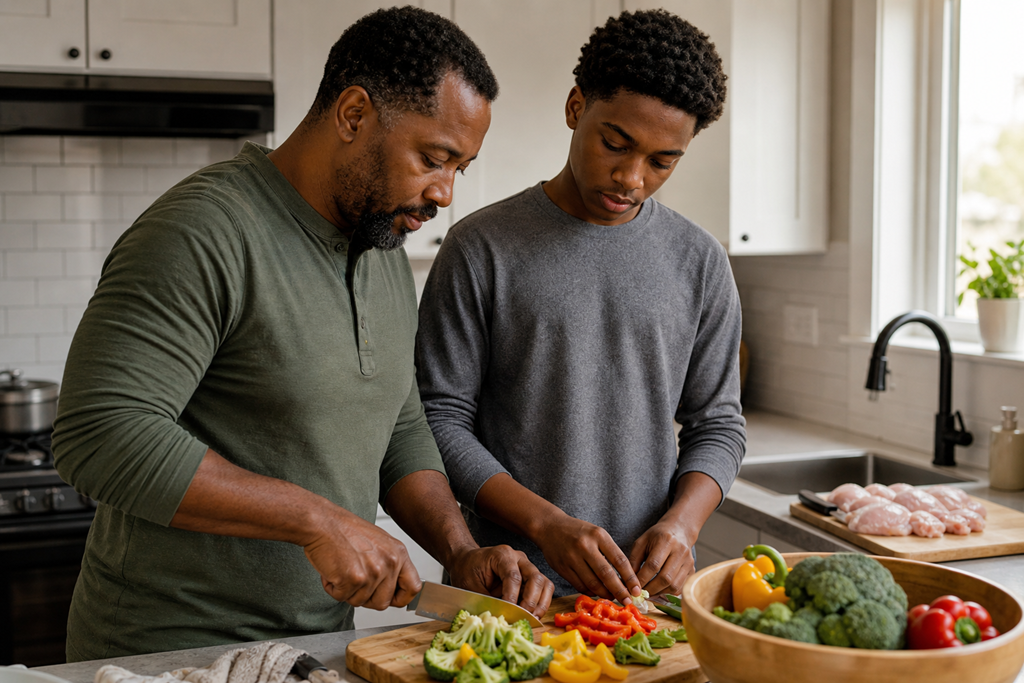
Food safety at home does not have to feel complicated. Most of it comes down to a few ordinary habits: keeping hands and surfaces clean, keeping raw foods away from ready-to-eat foods, cooking food thoroughly, and chilling leftovers before they sit out too long. Public food safety guidance often summarizes this as clean, separate, cook, and chill.
That may sound basic, but home kitchens get busy. Someone is unpacking groceries, someone else is making lunch, a cutting board gets reused, leftovers sit on the counter longer than planned, or the refrigerator gets crowded after a grocery run. Food safety problems often happen in these ordinary moments, not because someone is careless, but because everyday routines move quickly.
Improving food safety in your home is really about making safer choices easier to repeat.
Start With Clean Hands Before Food Touches Anything
One of the simplest ways to improve food safety is to wash your hands before cooking, during food prep, and before eating. This matters most after handling raw meat, poultry, seafood, eggs, flour, trash, pets, or anything that could spread germs.
The CDC recommends washing hands for at least 20 seconds with soap and water before, during, and after preparing food and before eating.
This is not about making your kitchen feel perfect. It is about interrupting the small ways germs move from hands to handles, counters, utensils, and food.
Keep Raw Meat Away From Ready-To-Eat Foods
Raw meat, poultry, seafood, and eggs can spread germs to foods that will not be cooked again. That is why separation matters.
A safer home routine might mean using a separate cutting board for raw meat, keeping raw chicken below produce in the refrigerator, and never placing cooked food back on a plate that held raw meat unless the plate has been washed first.
This one habit can prevent a lot of hidden cross-contamination because the risky part is not always visible.
Use Different Cutting Boards When You Can
If your household has more than one cutting board, it helps to separate them by use. One can be used for raw meat, poultry, or seafood. Another can be used for fruits, vegetables, bread, or ready-to-eat foods.
If you only have one cutting board, the order matters. Prepare ready-to-eat foods first, wash the board well, and then handle raw meat later.
The goal is not to create a complicated system. The goal is to avoid letting raw food residue travel into foods that are already safe to eat.
Wash Counters, Utensils, And Boards Between Food Tasks
A kitchen can look clean and still carry food residue from the last task. After preparing raw meat, poultry, seafood, eggs, or unwashed produce, wash the surfaces and tools you used before moving on to the next food.
FoodSafety.gov and CDC guidance both emphasize washing utensils, cutting boards, and countertops as part of basic home food safety.
This is especially helpful during busy meal prep when several foods are being handled at once.
Rinse Fruits And Vegetables Under Running Water
Fresh produce should usually be rinsed under running water before eating, cutting, or cooking. This helps remove dirt and some germs from the surface.
This matters even when you plan to peel the produce, because a knife can move germs from the outside into the inside as it cuts through.
You do not need to make this dramatic. A simple rinse under running water is usually the practical habit to build.
Do Not Rely On Looks Alone To Know Food Is Done
Food can look cooked on the outside and still not be safely cooked inside. This is especially true for poultry, ground meats, casseroles, and reheated leftovers.
Using a food thermometer is one of the clearest ways to know whether food has reached a safe internal temperature. FoodSafety.gov states that cooking to the right temperature and using a thermometer are key parts of safe home food handling.
This is one of those small tools that can reduce second-guessing in the kitchen.
Put Leftovers Away Before They Linger Too Long
Leftovers are easy to forget, especially after dinner, a family gathering, or a busy evening. But food that sits out too long can become less safe even if it still looks and smells fine.
A helpful household habit is to put leftovers away soon after the meal, using shallow containers when needed so food cools more evenly.
This also makes the next day easier because the food is already portioned, covered, and ready to reheat.
Keep Your Refrigerator From Becoming Too Crowded
A packed refrigerator can make it harder for cold air to move around. It can also make leftovers easier to forget.
Better food safety often starts with a simpler refrigerator: raw meat stored low, leftovers visible, older foods toward the front, and spills cleaned when they happen.
This is not about having a picture-perfect fridge. It is about being able to see what needs to be used, what needs to stay cold, and what should not touch other foods.
Store Raw Meat Where It Cannot Drip
Raw meat, poultry, and seafood should be stored in a way that prevents juices from dripping onto other foods. A plate, tray, sealed bag, or lower refrigerator shelf can help.
This habit is small, but it protects foods that may be eaten without further cooking, such as fruit, salad ingredients, cheese, or leftovers.
A safer kitchen is often built through quiet placement decisions like this.
Be Careful With Sponges, Towels, And Reusable Cloths
Sponges, dish towels, and reusable cloths can spread germs when they are used across too many tasks without being cleaned or replaced.
A towel used to wipe hands after handling raw chicken should not also be used to dry clean dishes. A cloth used for a spill near raw meat should not then be used on the dining table.
One simple improvement is to change towels often and use paper towels or freshly cleaned cloths for messier raw-food cleanup.
Reheat Leftovers Thoroughly
Leftovers should be reheated until they are hot all the way through. Stirring soups, sauces, rice dishes, and casseroles can help heat spread more evenly.
This is especially useful when using a microwave, where some areas may heat faster than others.
A calm rule of thumb: do not just warm the edges. Make sure the whole portion is heated well before eating.
Make Food Safety A Household Routine, Not One Person’s Job
Food safety becomes easier when everyone in the home understands the basic pattern. Wash hands. Keep raw foods separate. Cook food thoroughly. Put food away promptly.
This does not need to become a lecture or a rigid kitchen rulebook. It can be built into ordinary routines: where raw meat goes in the fridge, which board is used for chicken, when leftovers get packed, and who wipes the counter after dinner.
The more predictable the routine becomes, the less mental effort it takes.
The Biggest Food Safety Mistake Is Assuming “Fine” Means Safe
One reason food safety is easy to overlook is that risk is often invisible. Food can smell fine, look fine, and still have been handled in a way that increases risk.
That does not mean you need to feel anxious about every meal. It simply means that safer routines are more reliable than guessing.
A home does not need to be spotless to be safer. It needs a few consistent habits in the moments that matter most: before cooking, while handling raw foods, when checking doneness, and after the meal is over.
A Safer Kitchen Can Still Feel Simple
Improving food safety in your home is not about becoming afraid of food or turning dinner into a complicated process. It is about building small habits that protect your household without adding unnecessary stress.
Clean what needs to be clean. Separate what needs to stay separate. Cook food thoroughly. Chill leftovers before they sit out too long.
Those basics may seem simple, but repeated consistently, they can make your kitchen calmer, safer, and easier to trust.
Download Our Free E-book!