Amsterdam is one of those cities that rewards both planning and wandering. Its canals, museums, neighborhoods, markets, parks, and historic streets are close enough together to explore without feeling like every day needs to be packed.
This guide focuses on the best things to do in Amsterdam for a first-time or return trip, with practical notes to help you decide what belongs on your itinerary. You’ll find major landmarks, classic cultural experiences, scenic areas, and local-feeling places that are likely to stay worth visiting long after trends change.
Classic Amsterdam Experiences
1)) Take a Canal Cruise
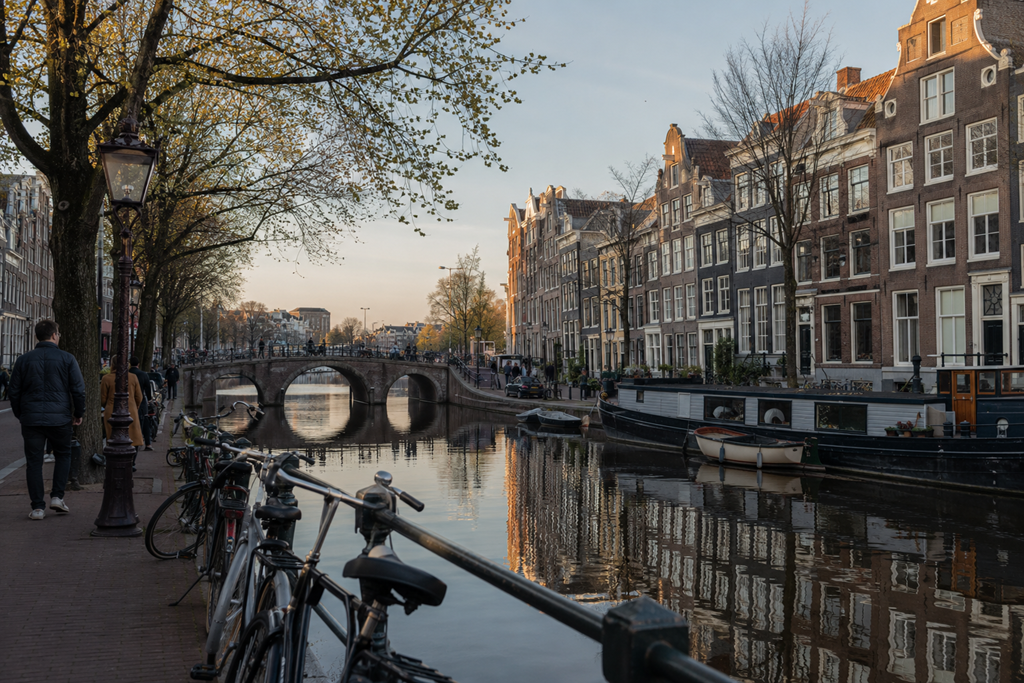
A canal cruise is one of the easiest ways to understand Amsterdam’s layout. From the water, the city’s narrow houses, arched bridges, houseboats, and tree-lined canals make more sense than they do from a map.
It’s especially helpful early in your trip because it gives you a gentle overview of the historic center. Many cruises pass through or near the canal belt, which is one of Amsterdam’s most recognizable areas and a defining part of the city’s character. Amsterdam’s official visitor guide highlights canal cruises as a classic part of the visitor experience.
This is best for first-time visitors, photographers, couples, and anyone who wants a scenic introduction without a lot of walking. For a quieter experience, look for smaller boats or less crowded departure times, and check current schedules before you go.
2)) Walk Through the Canal Belt
Amsterdam’s canal belt is not just something to see from a boat. It is also one of the best areas to explore on foot. Walking along canals such as Herengracht, Keizersgracht, and Prinsengracht gives you a close look at the architecture, bridges, doorways, bikes, and everyday rhythm of the city.
This is a good activity when you want something flexible and low-pressure. You can turn it into a short walk between attractions or make it the focus of an entire morning. The best approach is to choose a small area and move slowly rather than trying to cover every canal.
It’s especially worthwhile for travelers who enjoy architecture, street photography, and quiet city walks. Wear comfortable shoes, watch for bikes before stepping into the street, and leave room in your schedule to follow interesting side streets.
3)) Visit the Rijksmuseum
The Rijksmuseum is one of Amsterdam’s essential museums and a strong choice if you only have time for one major art museum. It focuses on Dutch art and history, with thousands of works displayed in a grand historic building near Museumplein. The museum describes itself as the national museum of the Netherlands and highlights major works by artists such as Rembrandt and Vermeer.
This is where many visitors go to see Rembrandt’s The Night Watch, Vermeer’s The Milkmaid, and other works tied to Dutch history and culture. But the museum is also valuable because it gives context to the city outside its walls: trade, craftsmanship, domestic life, portraiture, and the Dutch Golden Age.
It’s best for art lovers, history-focused travelers, and anyone who wants a deeper understanding of the Netherlands. Book ahead during busy travel periods and give yourself enough time so the visit does not feel rushed.
4)) See the Van Gogh Museum
The Van Gogh Museum is another major Amsterdam highlight, especially if you are interested in the life and development of a single artist. The museum is dedicated to Vincent van Gogh and presents his work in a way that helps visitors understand his influences, struggles, experiments, and artistic growth.
This museum is often more emotionally direct than a broad collection museum because it follows one artist’s path over time. Even travelers who do not usually spend hours in art museums may find it accessible.
It pairs well with the Rijksmuseum because both are located near Museumplein, but doing both in one day can be a lot. If you want to visit both, consider one major museum in the morning and the other on a separate day, or balance the day with a park walk afterward. Because availability can change, check current ticketing and entry details before visiting.
5)) Spend Time at the Anne Frank House
The Anne Frank House is one of Amsterdam’s most important and moving historic sites. The museum tells the story of Anne Frank, her diary, and the Secret Annex through photos, quotes, videos, and original items. The official museum site describes it as “a museum with a story,” centered on the experience of Anne Frank and those who hid there.
This is not a casual sightseeing stop. It is a place to visit with time, attention, and respect. The experience is often quiet and reflective, and it gives a powerful human connection to the history of World War II and the persecution of Jewish people in the Netherlands.
It’s best for history-minded travelers, families with older children or teens, and anyone who wants to engage with Amsterdam beyond its scenic side. Tickets often require advance planning, so check the official museum information before your trip.
Neighborhoods, Streets, and Local Atmosphere
6)) Explore the Jordaan
The Jordaan is one of Amsterdam’s most appealing neighborhoods for slow wandering. It has narrow streets, small bridges, canal views, independent shops, galleries, cafés, and a residential feel that contrasts nicely with the busiest parts of the center.
This is a good area to explore after visiting the Anne Frank House, since they are close to each other. Rather than treating the Jordaan as a checklist stop, let it be a neighborhood walk. Look for quiet courtyards, small storefronts, and streets that feel removed from the main visitor flow.
The Jordaan is best for travelers who enjoy atmosphere more than formal attractions. It’s also a good place to pause for coffee, browse shops, or take a break from museum-heavy days.
7)) Wander the Nine Streets
The Nine Streets, often called De Negen Straatjes, are a compact group of shopping and strolling streets within the canal belt. They are known for boutiques, vintage shops, cafés, design stores, and photogenic canal crossings.
This area can get busy, but it remains one of the most enjoyable places to walk if you like browsing rather than rushing. It is also a useful route between major canal areas, so you can include it naturally while exploring the city center.
It’s best for travelers who like independent shops, small cafés, and attractive streetscapes. You do not need a strict plan here. Choose a few streets, leave time to stop, and avoid treating it like a shopping mall. The pleasure is in the details.
8)) Visit De Pijp and the Albert Cuyp Market
De Pijp is one of Amsterdam’s livelier neighborhoods, with a mix of food, markets, cafés, shops, and residential streets. Its best-known stop is the Albert Cuyp Market, located in the heart of the district. I amsterdam describes the market as part of one of the city’s liveliest areas, surrounded by shops, cafés, restaurants, and bars.
The market is a good place to sample simple local foods, browse stalls, and see a more everyday side of the city. It’s also a nice contrast to the polished museum district and the historic canal belt.
This is best for food-curious travelers, market lovers, and anyone who wants a neighborhood with energy. Because markets can vary by day, weather, and season, check current operating details before making a special trip.
9)) Walk Through the Museum Quarter
The Museum Quarter is home to some of Amsterdam’s most important cultural institutions, including the Rijksmuseum, Van Gogh Museum, and Stedelijk Museum. It also connects easily to Vondelpark, making it one of the most practical areas for a well-paced day.
Even if you are not visiting every museum, the area is worth walking through. Museumplein gives you space to pause between indoor attractions, and the surrounding streets have a more open, elegant feel than the tighter canal center.
This is best for travelers who want to combine culture with easy logistics. A good plan is to visit one museum, have lunch nearby, then walk toward Vondelpark rather than scheduling back-to-back museum visits without a break.
Parks, Views, and Outdoor Time
10)) Relax in Vondelpark
Vondelpark is Amsterdam’s best-known park and one of the easiest places to slow down during a busy trip. I amsterdam calls it the city’s most popular park, used by tourists, residents, and everyone in between.
It’s a natural addition to a Museum Quarter day because it is close to the Rijksmuseum and Van Gogh Museum. You can walk, sit on the grass, people-watch, or use it as a reset between attractions. It is especially useful if you are traveling with kids or if your itinerary has become too museum-heavy.
This is best for anyone who wants a break without leaving the city. Amsterdam is compact, but it can still feel busy; Vondelpark gives you room to breathe, move, and regroup.
11)) Ride a Bike Carefully—or Take a Guided Bike Tour
Cycling is deeply tied to daily life in Amsterdam, and seeing the city by bike can be memorable. But it is important to be realistic. Amsterdam’s bike lanes are active transportation routes, not sightseeing paths, and local cyclists move with confidence.
If you are comfortable biking in urban environments, a guided bike tour can be a practical way to experience the city with structure. If you are nervous, it may be better to walk, use public transport, or bike in a quieter park or less crowded area.
This is best for confident cyclists and travelers who want a local-feeling perspective. Always follow local rules, stay alert, avoid stopping suddenly in bike lanes, and do not bike after drinking.
12)) Take the Ferry to Amsterdam Noord
Amsterdam Noord, across the IJ from Central Station, offers a different view of the city. Free ferries connect the central station area with the north side, making it easy to add a short crossing to your itinerary.
The ferry ride itself is part of the appeal. It gives you a quick look at Amsterdam’s waterfront and a break from the historic center. Once across, you can explore modern cultural spaces, waterfront paths, cafés, and changing urban scenery.
This is best for return visitors, architecture fans, and travelers who want to see more than the postcard version of Amsterdam. It also works well when you want a short, low-cost outing that feels different from another canal walk.
Food, Culture, and Everyday Pleasures
13)) Try Classic Dutch Snacks and Sweets
Amsterdam is not only about museums and canals. Food is part of the experience, especially simple Dutch snacks and sweets. Look for stroopwafels, bitterballen, Dutch pancakes, apple pie, fries with sauce, herring if you are curious, and cheese shops that offer a taste of local food culture.
The point is not to chase the most famous place. For an evergreen trip, it is better to understand what to try and stay flexible about where you try it. Markets, casual cafés, bakeries, and neighborhood food stops often provide a more relaxed experience than places built entirely around visitor lines.
This is best for travelers who like low-key food experiences. Try a few things throughout your trip instead of turning food into a separate checklist.
14)) Visit a Smaller Museum or Canal House Museum
Amsterdam’s major museums deserve their reputation, but smaller museums can be just as rewarding, especially if you prefer quieter spaces. Canal house museums, history museums, photography spaces, and specialized collections can help you see the city from a more intimate angle.
A canal house museum is especially useful because it connects interior spaces with the architecture you see while walking. Instead of only admiring the outside of a canal house, you get a sense of how people lived, worked, displayed wealth, and used space.
This is best for repeat visitors, slower travelers, and anyone who gets tired of very large museums. Choose one smaller museum based on your interests rather than trying to add several.
15)) End a Day With an Evening Canal Walk
Amsterdam is beautiful during the day, but an evening walk along the canals can be one of the most memorable parts of a trip. As lights reflect on the water and the streets settle, the city feels different without requiring another ticketed activity.
This is a good way to close a day after dinner, especially around quieter stretches of the canal belt or the Jordaan. Keep the walk simple and familiar; choose an area you already know rather than wandering far from your route late at night.
This is best for couples, photographers, solo travelers, and anyone who wants a reflective final memory of the city. As in any major destination, stay aware of your surroundings and use common-sense judgment.
Practical Planning Notes for Amsterdam
Amsterdam is very walkable, but it is still worth grouping activities by area. Pair the Rijksmuseum, Van Gogh Museum, Museumplein, and Vondelpark together. Combine the Anne Frank House with the Jordaan and nearby canals. Visit De Pijp and Albert Cuyp Market as a separate neighborhood outing.
Public transport can help when your feet need a break. The city’s trams, buses, metro, and ferries make it easier to move between neighborhoods without relying on taxis. Amsterdam’s official visitor information recommends reviewing transportation and trip essentials before you go.
For major attractions, check current opening hours, ticket rules, and reservation requirements before your visit. Timed-entry museums and popular sites can sell out during busy travel periods, while markets and outdoor plans can be affected by weather.
A balanced Amsterdam itinerary usually includes one major museum or ticketed attraction per day, one neighborhood walk, and some open time. The city is at its best when you leave room for small bridges, quiet canals, unplanned cafés, and the pleasure of moving slowly through beautiful streets.
Download Our Free E-book!