Berlin is one of Europe’s most layered cities. It has grand landmarks, powerful memorials, world-class museums, creative neighborhoods, wide public parks, and a nightlife scene that has shaped global music culture.
For first-time visitors, the challenge is not finding things to do. It is deciding what is actually worth your time.
This guide focuses on classic, durable Berlin experiences: the places and activities that help you understand the city’s history, culture, architecture, food, neighborhoods, and after-dark energy without building your trip around short-lived trends or temporary events.
Start With Berlin’s Historic Landmarks
1)) Visit the Brandenburg Gate
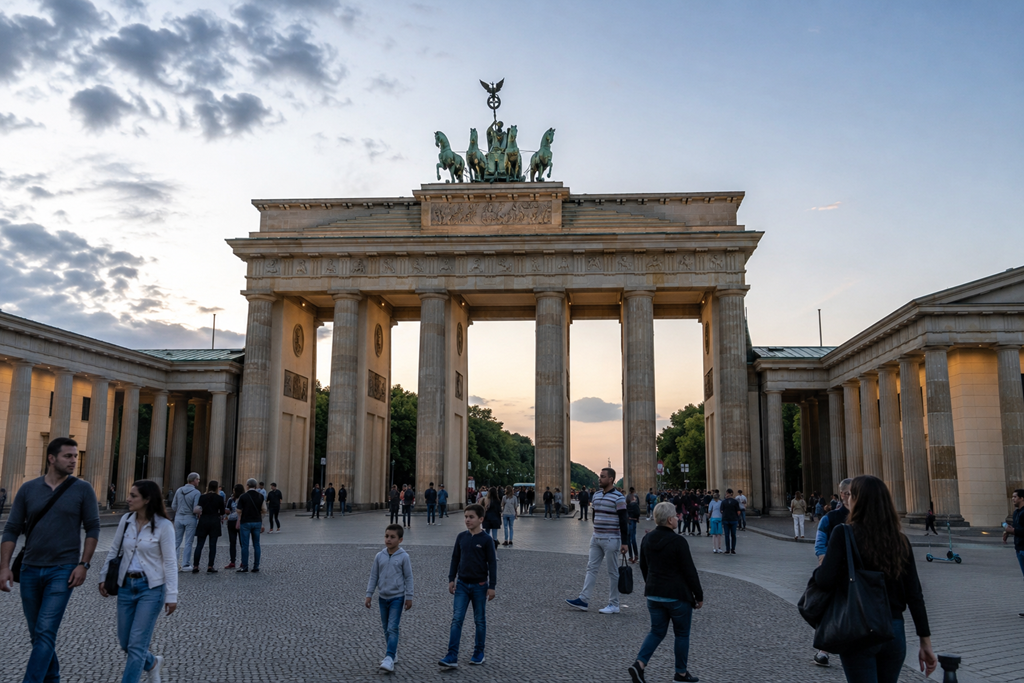
The Brandenburg Gate is one of Berlin’s most recognizable landmarks and a natural starting point for understanding the city. Once a symbol of division during the Cold War, it is now strongly associated with reunification and public life in modern Germany.
It is worth visiting both during the day and in the evening, when the lighting gives the square a different feel. The surrounding area is also easy to combine with other major sights, including the Reichstag, Tiergarten, and the Memorial to the Murdered Jews of Europe.
This is best for first-time visitors, history-focused travelers, and anyone who wants a strong sense of place early in the trip. Berlin’s official tourism site highlights landmarks such as the Brandenburg Gate, Reichstag, Museum Island, and TV Tower among the city’s expected must-see sights.
2)) Tour the Reichstag and Its Glass Dome
The Reichstag Building is home to Germany’s parliament and one of the most meaningful architectural stops in Berlin. Its restored historic structure and modern glass dome reflect the city’s blend of old and new.
The dome offers a view over central Berlin, but the real value is the symbolism: transparency, democracy, and reconstruction after a difficult century. It is especially worthwhile if you enjoy architecture, political history, or panoramic city views.
Visits often require advance planning, so check current reservation requirements before you go.
3)) Walk Through the Memorial to the Murdered Jews of Europe
Located near the Brandenburg Gate, the Memorial to the Murdered Jews of Europe is one of Berlin’s most important places of remembrance. Its field of concrete stelae creates a quiet, disorienting space that invites reflection rather than explanation.
This is not a casual sightseeing stop. Give yourself time to walk through it respectfully, and consider visiting the information center if you want more historical context.
It is best for travelers who want to engage seriously with Berlin’s history and understand how memory is woven into the modern city.
4)) See the Berlin Wall Memorial
The Berlin Wall Memorial on Bernauer Strasse gives one of the clearest views into the city’s divided past. Unlike smaller wall fragments around Berlin, this site helps visitors understand how the border system actually worked and how it affected daily life.
The memorial includes preserved sections of the former border area, outdoor exhibits, and places for reflection. It is more detailed and historically grounded than a quick photo stop at a wall segment.
Prioritize this if you want to understand Cold War Berlin beyond the surface.
5)) Visit Checkpoint Charlie With Realistic Expectations
Checkpoint Charlie is one of Berlin’s most famous Cold War locations, but it is also one of the city’s more commercialized historic sites. It is still worth seeing if you are nearby, especially because of its symbolic role as a crossing point between East and West Berlin.
The best way to approach it is as a brief stop, not the centerpiece of your day. Pair it with deeper Cold War sites such as the Berlin Wall Memorial or the Topography of Terror for better historical context.
Berlin’s city portal lists Checkpoint Charlie alongside other major attractions, but visitors should understand that the experience today is more symbolic than immersive.
Explore Berlin’s Museums and Cultural Sites
6)) Spend Time on Museum Island
Museum Island is one of Berlin’s great cultural areas and a UNESCO-listed museum ensemble in the historic center. It is home to several major museums, each with its own focus, from ancient art and archaeology to European painting and sculpture.
You do not need to visit every museum to appreciate the area. For many travelers, choosing one or two museums and leaving time to walk around the island is a better experience than trying to rush through everything.
Check current museum access, renovation updates, and timed-entry requirements before planning your visit. This is especially important because individual museums may be affected by long-term restoration projects.
7)) Visit the Berlin Cathedral
Berlin Cathedral, located near Museum Island, is one of the city’s most striking buildings. Its large dome, detailed interior, and riverside setting make it a strong stop for travelers who enjoy architecture, photography, and historic churches.
It works well as part of a half-day route through central Berlin. You can combine it with Museum Island, the Lustgarten, Unter den Linden, and nearby historic streets.
Even if you do not go inside, the exterior and surrounding area are worth seeing.
8)) Learn at the Topography of Terror
The Topography of Terror is one of Berlin’s most important historical documentation sites. Built on the former grounds of Nazi institutions, it focuses on the machinery of persecution and state violence during the Nazi era.
The exhibits are serious, detailed, and direct. It is not light travel content, but it is valuable for understanding Berlin and Germany’s 20th-century history.
This is best for travelers who want meaningful historical context and are willing to spend time reading and reflecting.
9)) See the East Side Gallery
The East Side Gallery is a long open-air gallery painted on a preserved section of the Berlin Wall. It combines history, public art, and urban energy in a way that feels very Berlin.
Some visitors come for quick photos, but it is worth walking slowly and noticing how the murals reflect ideas of freedom, memory, protest, and change. The area around the gallery also connects easily to the Spree River, Friedrichshain, and Kreuzberg.
It is one of the best stops for travelers who want a visually memorable Berlin experience tied to the city’s divided past.
Experience Berlin’s Neighborhoods and Everyday Culture
10)) Walk Unter den Linden
Unter den Linden is Berlin’s grand historic boulevard, stretching through the city center and connecting several major landmarks. A walk here gives you a sense of Berlin’s formal architecture, cultural institutions, and historical scale.
It is especially useful for first-time visitors because it links naturally with the Brandenburg Gate, Museum Island, Berlin Cathedral, and nearby squares.
Rather than treating it as a single attraction, use it as a route that helps you understand how central Berlin fits together.
11)) Explore Kreuzberg
Kreuzberg is one of Berlin’s most distinctive neighborhoods, known for its multicultural food scene, street art, canal walks, independent shops, and relaxed local energy.
It is a good place to experience Berlin beyond the major landmarks. Spend time around the Landwehr Canal, explore side streets, stop for Turkish food or casual cafés, and let the neighborhood unfold slowly.
Kreuzberg is best for travelers who enjoy everyday city life, food, creative culture, and neighborhoods with a lived-in feel.
12)) Spend an Afternoon in Prenzlauer Berg
Prenzlauer Berg offers a softer, more residential side of Berlin. It is known for leafy streets, restored old buildings, cafés, small shops, and a slower pace compared with some of the city’s busier central areas.
It is a good choice if you want a break from heavy historical sightseeing. Walk around Kollwitzkiez, sit at a café, browse local shops, or visit a market if one is happening during your stay.
This area is especially appealing for couples, families, and travelers who like neighborhood wandering.
13)) Visit Tempelhofer Feld
Tempelhofer Feld is one of Berlin’s most unusual public spaces: a former airport turned into a huge open park. The old runways are now used for walking, cycling, skating, picnicking, and open-air relaxation.
It is a reminder of how Berlin often repurposes history into public life. The space feels wide, informal, and distinctly local.
Visit when you want room to breathe, especially after several days of museums, memorials, and dense city sightseeing.
Enjoy Berlin’s Views, Parks, Food, and Nightlife
14)) Relax in Tiergarten
Tiergarten is Berlin’s large central park and one of the easiest ways to add green space to your trip. It sits near several major landmarks, making it simple to combine with the Brandenburg Gate, Reichstag, or Victory Column.
You can walk, sit, bike, or simply use the park as a quieter route between sights. It is especially helpful if your itinerary is starting to feel too packed.
Tiergarten is best for travelers who want a restorative pause without leaving the city center.
15)) Experience Berlin After Dark
Berlin’s nightlife is famous, especially its electronic music and club culture, but the city’s after-dark scene is broader than one type of venue. You can find quiet wine bars, casual beer gardens, live music, neighborhood pubs, late-night food, and major clubs depending on your style.
The best approach is to choose nightlife based on your comfort level. Berlin rewards openness, but you do not need to force yourself into a scene that is not your fit.
For a low-pressure evening, start with dinner in Kreuzberg, Neukölln, Friedrichshain, or Mitte, then continue with a bar, music venue, or late walk along the Spree. For clubbing, research current entry rules, dress expectations, and transportation options before going.
How to Plan Your Berlin Sightseeing
Berlin is large, but it is manageable when you group your days by area. The city’s public transportation network includes S-Bahn, U-Bahn, buses, trams, and ferries, and a valid ticket can be used across multiple forms of transport within the appropriate zones.
For a first visit, avoid trying to see everything in one long route. A better plan is to build each day around one main area.
A practical structure could look like this:
- Central Berlin: Brandenburg Gate, Reichstag, Memorial to the Murdered Jews of Europe, Unter den Linden, Museum Island
- Cold War and modern history: Berlin Wall Memorial, Checkpoint Charlie, Topography of Terror, East Side Gallery
- Neighborhood day: Kreuzberg, Prenzlauer Berg, Friedrichshain, or Neukölln
- Slower day: Tiergarten, Tempelhofer Feld, cafés, markets, and casual evening plans
Berlin’s public transport is one of the easiest ways to connect these areas, and the official tourism site describes the city as served by a developed network of S-Bahn, U-Bahn, buses, and trams.
What to Prioritize on a Short Trip
If you only have two or three days, focus on the experiences that best explain Berlin.
Start with the Brandenburg Gate, Reichstag, the Memorial to the Murdered Jews of Europe, and Museum Island. Then add either the Berlin Wall Memorial or the East Side Gallery to understand the city’s divided past.
After that, choose one neighborhood experience. Kreuzberg is a strong choice if you want food, street life, and creative energy. Prenzlauer Berg is better if you want a gentler, café-focused afternoon.
For nightlife, keep it flexible. Berlin is better experienced with space in the schedule than with every hour planned.
Best Time to Visit Berlin
Berlin can be visited year-round, but the experience changes by season.
Spring and early fall are often pleasant for walking, parks, outdoor cafés, and neighborhood exploring. Summer brings long days and more outdoor life, but popular areas can be busier. Winter can be cold and gray, but it also suits museums, historic sites, cafés, and indoor cultural experiences.
No matter when you visit, pack for walking and changing weather. Berlin is a city best understood on foot, even when you are using public transportation between neighborhoods.
Final Thoughts on the Best Things to Do in Berlin
The best things to do in Berlin are not only the famous sights. The city becomes more interesting when you connect its landmarks, memorials, museums, neighborhoods, parks, and nightlife into one bigger story.
Visit the major historic sites, but leave room for slower experiences too: a walk along the canal, an afternoon in a neighborhood café, a quiet moment in Tiergarten, or an evening that unfolds without a strict plan.
That balance is what makes Berlin memorable. It is a city shaped by history, but still very much alive in its streets, parks, galleries, food, and late-night conversations.
Download Our Free E-book!