Barcelona is one of those cities where a first visit can feel both exciting and a little overwhelming. There are famous Gaudí landmarks, historic neighborhoods, beach walks, food markets, museums, hilltop views, and day trips all competing for your time.
This guide focuses on the best things to do in Barcelona for travelers who want a trip that feels memorable, manageable, and well-paced. You’ll find classic attractions, cultural experiences, scenic areas, and practical planning notes to help you decide what is truly worth adding to your itinerary.
Barcelona is popular year-round, so for major sights like the Sagrada Família and Park Güell, it is wise to check current opening details and book ahead during busy travel periods. Official visitor sources note that some major attractions use advance ticketing or timed entry, especially at high-demand sites.
Barcelona’s Essential Landmarks
1)) Visit the Sagrada Família
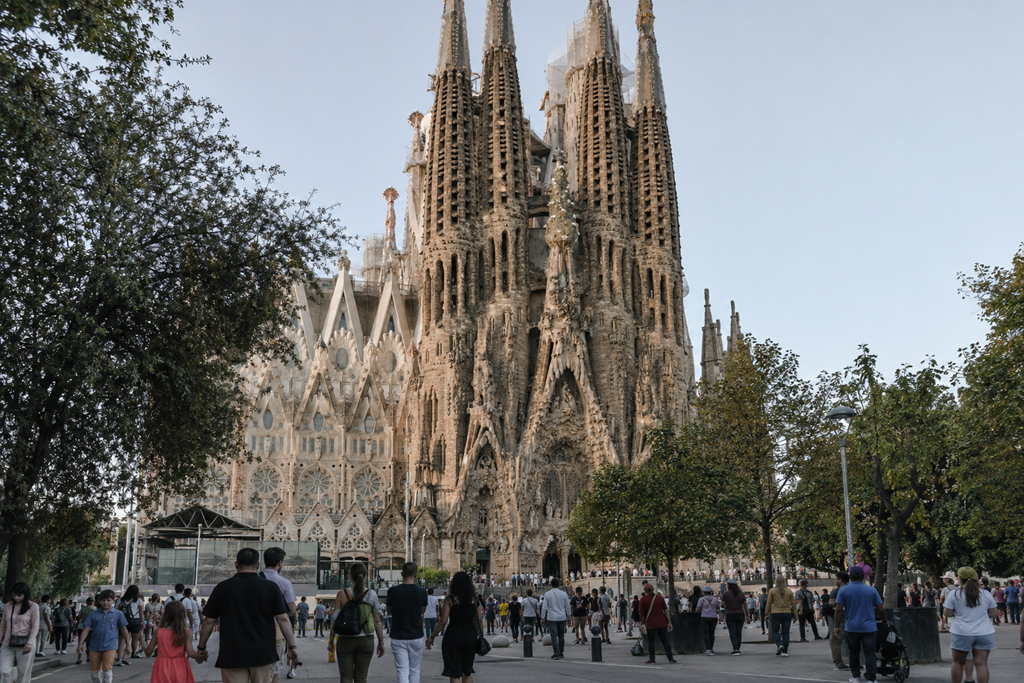
The Sagrada Família is Barcelona’s most famous landmark and one of the most unforgettable buildings in Europe. Designed by Antoni Gaudí, the basilica combines religious symbolism, natural forms, stained glass, sculptural facades, and soaring interior columns in a way that feels unlike almost any other church.
It is worth visiting even if you only have a short time in Barcelona. The exterior is impressive, but the interior is where the building’s scale, color, and design really come together. The light through the stained glass can make the space feel completely different depending on the time of day.
This is best for first-time visitors, architecture lovers, photographers, and anyone who wants to understand why Gaudí is so central to Barcelona’s identity. Buy tickets through the official site and reserve ahead when possible, since the basilica is one of the city’s most in-demand attractions.
2)) Explore Park Güell
Park Güell is another essential Gaudí experience, but it has a very different feel from the Sagrada Família. Instead of stepping into a basilica, you walk through a hillside park filled with mosaics, stone walkways, curved benches, whimsical architecture, and city views.
The most famous area is the Monumental Zone, where you’ll find the colorful mosaic terrace and some of the park’s most recognizable design details. But Park Güell is also worth enjoying slowly. Its paths, greenery, and viewpoints make it feel like part landmark, part public garden, and part open-air design lesson.
This is a good choice for travelers who want a mix of architecture and outdoor time. The official Park Güell site notes that tickets should be purchased in advance and online, so plan ahead rather than assuming you can walk up at the last minute.
3)) Walk Passeig de Gràcia
Passeig de Gràcia is one of Barcelona’s most elegant avenues and a useful place to understand the city’s Modernista architecture. It is also where you’ll find two of Gaudí’s most famous residential buildings: Casa Batlló and Casa Milà, also known as La Pedrera.
Even if you do not go inside every building, walking this avenue gives you a strong sense of Barcelona’s architectural personality. The façades are full of curves, balconies, tilework, and imaginative details that reward a slower pace.
Passeig de Gràcia is best for travelers who enjoy architecture, window-shopping, urban walks, and easy-to-combine sightseeing. It also works well as a relaxed activity between larger ticketed attractions.
4)) Tour Casa Batlló
Casa Batlló is one of Gaudí’s most playful and visually striking works. Its façade, with mask-like balconies and colorful ceramic details, is one of the most photographed sights in Barcelona. Inside, the design continues through curved rooms, organic shapes, light wells, attic spaces, and a rooftop that feels almost sculptural.
The official Casa Batlló site describes it as a UNESCO World Heritage Site and a Gaudí masterpiece, and it is especially appealing if you want to experience Barcelona’s architecture from the inside rather than simply admiring it from the street.
This is best for visitors who are especially interested in design, photography, and immersive architecture. If you are choosing between multiple Gaudí interiors, Casa Batlló is a strong pick for visual drama and accessibility.
5)) Visit La Pedrera — Casa Milà
La Pedrera, officially Casa Milà, is another major Gaudí landmark on Passeig de Gràcia. Compared with Casa Batlló, it has a more stone-like, sculptural feel, with an undulating façade, interior courtyards, attic arches, and one of the city’s most memorable rooftops.
The official La Pedrera site identifies Casa Milà as a UNESCO World Heritage Site and Gaudí’s last civil work, making it especially meaningful for travelers who want a deeper look at his architectural evolution.
This is a good choice if you are interested in rooftop views, architectural structure, and Gaudí’s more mature style. If your time is limited, you can compare Casa Batlló and La Pedrera before booking, since both are worthwhile but offer different moods.
Historic Neighborhoods and Walkable Areas
6)) Wander the Gothic Quarter
The Gothic Quarter is one of the best places in Barcelona to simply walk without rushing. Its narrow lanes, small squares, old stone buildings, churches, and hidden corners give you a sense of the city’s long history.
This area is ideal for slow exploration. You might pass Barcelona Cathedral, find a quiet courtyard, stop for coffee, or follow a side street that looks interesting. It is less about checking off one single attraction and more about experiencing the texture of old Barcelona.
The Gothic Quarter is best for first-time visitors, history lovers, photographers, and anyone who enjoys wandering through atmospheric streets. Go earlier in the day if you prefer a quieter experience, and stay aware of your belongings in crowded areas.
7)) See Barcelona Cathedral
Barcelona Cathedral is sometimes overshadowed by the Sagrada Família, but it deserves time of its own. Located in the Gothic Quarter, the cathedral is an important historic and religious site with a grand façade, Gothic interior, cloister, and surrounding square.
It is especially worth visiting if you are already exploring the old city. The area around the cathedral often becomes a natural pause point during a walking route through the Gothic Quarter.
This is best for travelers interested in history, sacred architecture, and older layers of Barcelona. Check current visitor access before going, since churches may adjust entry for services, events, or restoration work.
8)) Explore El Born
El Born is one of Barcelona’s most enjoyable neighborhoods for a mix of culture, food, shopping, and wandering. It has narrow medieval streets like the Gothic Quarter, but often feels a little more relaxed and creative.
You’ll find small boutiques, tapas bars, wine bars, galleries, and cultural stops such as the Picasso Museum and the Basilica of Santa Maria del Mar. El Born works especially well in the late afternoon or early evening, when you can combine sightseeing with a meal or drink.
This neighborhood is best for travelers who like local atmosphere, independent shops, and walkable streets with plenty of places to pause. It is also a good area to explore without a strict schedule.
9)) Stroll La Rambla Without Making It Your Whole Plan
La Rambla is Barcelona’s most famous pedestrian boulevard, running between Plaça de Catalunya and the waterfront. It is busy, touristy, and sometimes crowded, but it remains a recognizable part of the city.
The best way to approach La Rambla is to treat it as a short walk rather than a major destination. Use it to connect nearby sights, stop briefly at La Boqueria Market, or experience the energy of central Barcelona.
This is best for first-time visitors who want to see one of the city’s iconic streets, but it does not need to take up much of your day. Keep valuables secure, avoid rushing into tourist-trap meals, and use it as a gateway to more rewarding nearby areas.
Food, Markets, and Local Flavor
10)) Visit La Boqueria Market
La Boqueria is Barcelona’s best-known food market and a popular stop just off La Rambla. It is colorful, lively, and easy to visit, with produce, seafood, cured meats, sweets, juices, and small food counters.
Because it is so famous, it can be crowded. Still, it is worth seeing if you enjoy food culture and market photography. For a better experience, go with realistic expectations: browse, taste something simple, and avoid treating it as the only food experience you need in Barcelona.
This is best for food-focused travelers, first-time visitors, and anyone who wants a quick look at the city’s market culture. For a less crowded experience, consider visiting other neighborhood markets as well.
11)) Try Classic Catalan and Spanish Food
Barcelona is a wonderful city for eating, especially if you make room for both Catalan dishes and broader Spanish favorites. Look for simple, traditional foods such as pa amb tomàquet, escalivada, seafood rice dishes, crema catalana, tortilla, jamón, and seasonal produce.
Rather than chasing trendy restaurant lists, focus on neighborhoods, pacing, and the kind of meal you want. A casual tapas meal, a market lunch, a seafood dinner near the coast, or a traditional Catalan restaurant can all be memorable in different ways.
This is best for almost every traveler, but especially those who want to understand Barcelona beyond its landmarks. Book ahead for popular restaurants, but leave space for spontaneous meals too.
12)) Enjoy Tapas or Pintxos in a Lively Neighborhood
Tapas culture is part of the pleasure of visiting Barcelona, even though the city’s food identity is also distinctly Catalan. For a fun, low-pressure meal, choose a neighborhood with several bars and make an evening of small plates.
Pintxos, often associated with Basque-style bar snacks, are also easy to find in parts of Barcelona and can make for a relaxed casual meal. This kind of dining works well when you do not want a long formal dinner.
This is best for couples, groups, solo travelers, and anyone who likes grazing instead of committing to one large meal. Go early by local standards if you prefer a quieter experience.
Museums, Art, and Culture
13)) Visit the Picasso Museum
The Picasso Museum is one of Barcelona’s most important art museums, especially for understanding the artist’s early years and his connection to the city. The museum’s official collection includes paintings, drawings, ceramics, sculpture, graphic works, illustrated books, and sketchbooks.
It is located in El Born, which makes it easy to combine with neighborhood wandering, Santa Maria del Mar, and a meal nearby. The setting itself, spread through historic buildings, adds to the experience.
This is best for art lovers and travelers who want a cultural stop that fits naturally into a walking day. Check current ticketing and entry details before visiting, especially during busier travel periods.
14)) Spend Time at Montjuïc
Montjuïc is a broad hilltop area with gardens, museums, viewpoints, historic sites, and cultural venues. It is one of the best places in Barcelona to step away from the densest parts of the city and get a wider view of the landscape.
Depending on your interests, you can visit the Museu Nacional d’Art de Catalunya, walk through gardens, see Montjuïc Castle, or simply enjoy the views back toward the city and sea. It is not a single quick stop, so it helps to choose a few priorities rather than trying to cover everything.
This is best for travelers who like viewpoints, museums, gardens, and slower half-day exploring. Wear comfortable shoes, because the area involves hills and spread-out sights.
15)) Visit the Museu Nacional d’Art de Catalunya
The Museu Nacional d’Art de Catalunya, often shortened to MNAC, is one of the city’s major museums and a strong choice if you want art, architecture, and views in one stop. It sits on Montjuïc in a grand palace-like building overlooking Plaça d’Espanya.
The museum is especially known for Catalan art, including Romanesque church paintings, Gothic works, Modernista art, and other collections that help place Barcelona within a broader cultural context.
This is best for museum lovers, art-focused travelers, and anyone already planning to spend time on Montjuïc. Even if you do not visit the full collection, the area around the museum offers some of the city’s classic views.
Parks, Views, and the Waterfront
16)) Walk the Barcelona Waterfront
Barcelona’s waterfront gives the city a different rhythm from its dense historic center. You can walk near Port Vell, continue toward Barceloneta, or spend time by the beach depending on the weather and your energy.
This is a good way to balance a trip heavy on architecture and museums. The sea air, open space, and long promenades make it easy to slow down between busier sightseeing days.
This is best for travelers who want outdoor time, casual walks, and a break from ticketed attractions. Barceloneta Beach is popular, so treat it as a lively urban beach rather than a secluded coastal escape.
17)) See the City from Bunkers del Carmel
Bunkers del Carmel is one of Barcelona’s best-known viewpoint areas, offering wide views across the city. From here, you can see the grid of the Eixample, the Sagrada Família, the hills, and the coastline.
It takes more effort to reach than a central landmark, but the reward is a broader sense of Barcelona’s geography. It is especially appealing near golden hour, though popular times can be crowded.
This is best for photographers, repeat visitors, and travelers who enjoy viewpoints. Bring water, wear comfortable shoes, and be respectful of the surrounding residential neighborhoods.
18)) Take a Day Trip to Montserrat
If you have more than two or three days in Barcelona, Montserrat is one of the most worthwhile day trips. The mountain landscape, monastery, walking paths, and views make it feel very different from the city.
Montserrat is especially good for travelers who want nature, scenery, spirituality, or a break from urban sightseeing. It can be done independently by public transportation or as part of a guided day trip.
This is best for visitors with enough time to slow down and add variety to their itinerary. If your Barcelona trip is short, focus on the city first. If you have a longer stay, Montserrat can be a memorable addition.
How to Prioritize Your Time in Barcelona
For a first visit, start with the Sagrada Família, Park Güell, one Gaudí house, the Gothic Quarter, El Born, La Boqueria, and the waterfront. That gives you a strong mix of architecture, history, food, walking, and scenery.
If you have more time, add Montjuïc, the Picasso Museum, MNAC, Bunkers del Carmel, and a day trip to Montserrat. Barcelona rewards both planning and wandering, so it is usually better to build a flexible itinerary than to fill every hour.
Public transportation is useful for connecting major areas, and the city’s transit operator provides guidance for visiting Barcelona by metro and bus. Still, many of the best experiences happen on foot once you are in the right neighborhood.
Before you go, check current opening hours, ticket requirements, and reservation rules for major attractions. For the most popular sights, advance planning can make the difference between a smooth visit and a frustrating one.
Download Our Free E-book!