London is one of those cities where a first visit can feel both exciting and overwhelming. There are royal landmarks, world-class museums, historic streets, riverside views, parks, markets, theatres, pubs, and neighborhoods that each show a different side of the city.
This guide focuses on classic, worthwhile things to do in London for first-time visitors. Instead of trying to see everything, use it to choose the experiences that match your pace, interests, and trip length.
London’s official visitor guide highlights many of the city’s best-known attractions, including the London Eye, Buckingham Palace, Tower of London, Westminster Abbey, and St Paul’s Cathedral, which makes them natural starting points for a first trip.
Iconic London Landmarks
1)) See Big Ben and the Houses of Parliament
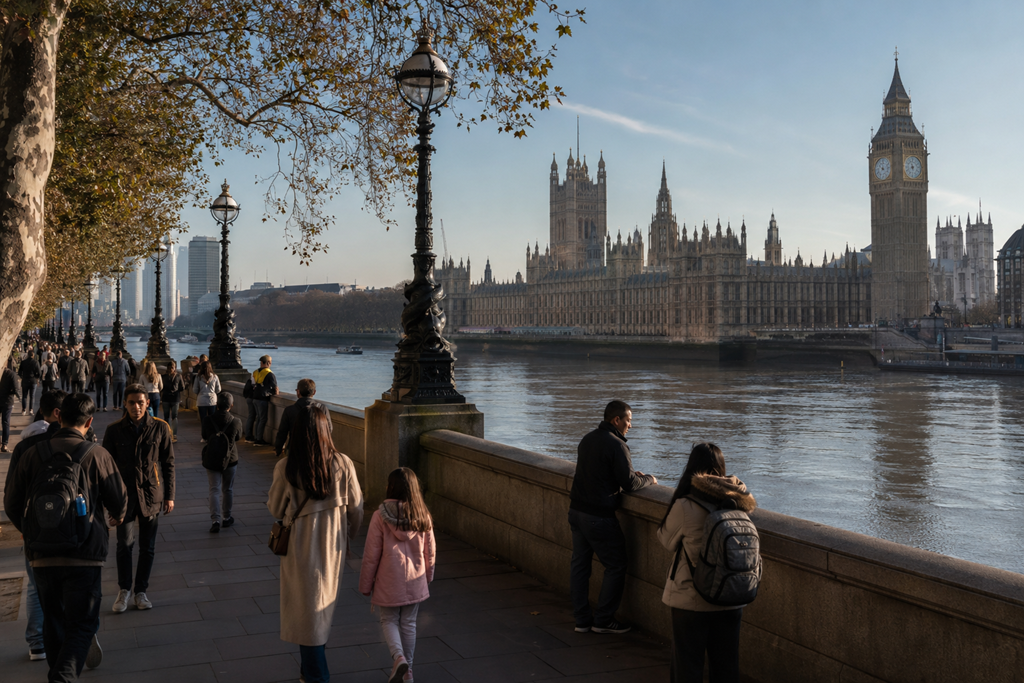
For many first-time visitors, this is the London moment. The Elizabeth Tower, commonly known as Big Ben, rises beside the Houses of Parliament along the River Thames, creating one of the city’s most recognizable views.
You do not need a complicated plan to enjoy it. Walk across Westminster Bridge, pause along the riverside, and take in the view from both sides of the Thames. It is especially memorable near sunrise, sunset, or early evening when the river and buildings feel more atmospheric.
This is best for travelers who want a classic London photo, a strong sense of place, and an easy starting point near several other major sights.
2)) Visit Westminster Abbey
Westminster Abbey is one of London’s most important historic and ceremonial sites. It has more than ten centuries of history and remains a working church, which gives it a different feeling from a standard museum or monument.
Inside, visitors can see remarkable architecture, royal history, memorials, chapels, and centuries of British cultural life in one place. It is especially worthwhile for travelers interested in history, architecture, monarchy, literature, or religious heritage.
Because it is an active church and occasionally closes for services or special events, check current visitor information before you go.
3)) Walk Around Buckingham Palace and St James’s Park
Buckingham Palace is one of London’s most famous royal landmarks, but the best first-time experience is often the broader area around it. Start near the palace gates, walk down The Mall, and spend time in St James’s Park, one of the most pleasant green spaces in central London.
This is a good activity if you want royal London without spending your whole day around one attraction. The park also gives you space to slow down between busier sightseeing stops.
If you are interested in the Changing of the Guard, check current schedules before planning your day around it. It can be crowded, and many visitors enjoy the area just as much without centering the visit around the ceremony.
4)) Explore the Tower of London
The Tower of London is one of the most worthwhile paid attractions for a first visit. It combines fortress walls, royal history, prison stories, Crown Jewels, Yeoman Warders, ravens, and views of Tower Bridge in one place.
The Tower has nearly 1,000 years of history and has served as a fortress, royal palace, prison, Royal Mint, and home to the Crown Jewels. It is the kind of place where a guided tour or audio guide can make the visit much more meaningful.
Give yourself enough time here. Visit London notes that at least three hours is recommended, and that is a helpful planning baseline if you want to avoid rushing.
5)) Walk Across Tower Bridge
Tower Bridge is close to the Tower of London, so it makes sense to pair the two. Even if you do not go inside the bridge exhibition, walking across it gives you excellent views of the Thames, the Tower, the City of London, and the modern skyline.
This is one of the easiest high-value activities in London. It is free to walk across, simple to reach, and visually memorable. For first-time visitors, it also helps connect London’s older history with its modern riverfront.
Museums, Culture, and History
6)) Spend Time at the British Museum
The British Museum is one of the world’s major museums and a strong choice for first-time visitors, especially if you enjoy history, archaeology, and global culture. Its galleries include objects connected to ancient Egypt, the Islamic world, Sutton Hoo, and many other civilizations.
The museum is large, so do not try to see everything in one visit. Choose a few galleries or highlights in advance, then leave room to wander. The British Museum advises booking a free ticket ahead of time for priority entry during busy periods, while walk-up visits may still be available depending on crowd levels.
This is best for curious travelers, rainy days, and anyone who wants a major cultural experience without building the entire day around paid attractions.
7)) Visit the National Gallery
The National Gallery sits on Trafalgar Square, making it easy to combine with nearby sights like Covent Garden, Westminster, or Leicester Square. It is especially worthwhile if you enjoy painting, European art, or quiet indoor time between busy sightseeing stops.
You do not need to be an art expert to enjoy it. Choose one or two sections, spend time with a handful of paintings, and treat the visit as a slower break from the city.
For first-time visitors, the National Gallery works well because it is central, culturally important, and easy to fit into a flexible itinerary.
8)) Explore the Natural History Museum
The Natural History Museum is one of London’s most memorable museums, especially for families, science lovers, and anyone who enjoys dramatic architecture. The building itself is part of the experience, with grand interior spaces and a strong sense of discovery.
It is a good choice if your trip includes South Kensington, where you can also find the Science Museum and the Victoria and Albert Museum nearby. Rather than trying to visit all three in one day, choose the one that fits your interests best.
This is especially useful for families, rainy weather, or travelers who want a museum visit that feels lively and accessible.
9)) See St Paul’s Cathedral
St Paul’s Cathedral is one of London’s most important architectural landmarks. Its dome is a defining part of the skyline, and the interior gives visitors a sense of London’s religious, civic, and ceremonial history.
It pairs well with a walk across the Millennium Bridge to Tate Modern and the South Bank. That route gives you one of the best combinations of old and modern London in a relatively short walk.
St Paul’s is best for travelers interested in architecture, history, city views, or a quieter alternative to some of the most crowded central landmarks.
10)) Visit Tate Modern and Walk the South Bank
Tate Modern is a major modern and contemporary art museum housed in a former power station on the South Bank. Even if modern art is not your main interest, the building, riverside setting, and surrounding walk make it worth considering.
The South Bank itself is one of London’s best walking areas for first-time visitors. You can see the river, bridges, street performers, book stalls, food spots, and views toward St Paul’s and the City.
This is a strong choice if you want a flexible afternoon without locking yourself into a strict schedule.
Views, Walks, and Neighborhoods
11)) Ride the London Eye
The London Eye is one of London’s best-known modern landmarks and offers broad views over the Thames, Westminster, and the city skyline. It is especially appealing for first-time visitors who want a simple, scenic overview of central London.
Because it is popular, consider booking ahead during busy travel periods and choosing a time of day that fits the kind of view you want. Daytime offers clearer landmark spotting, while evening can feel more atmospheric.
This is best for travelers who enjoy observation wheels, skyline views, and iconic first-trip experiences.
12)) Walk Through Covent Garden
Covent Garden is a lively area with historic market buildings, shops, restaurants, theatres, street performers, and small side streets. It is polished and tourist-friendly, but still worth visiting because it is easy to enjoy without much planning.
Come here for atmosphere rather than a checklist. Wander through the market area, explore nearby Neal’s Yard, stop for coffee or a meal, and use it as a base before a West End show.
Covent Garden is best for first-time visitors who want an easy, walkable neighborhood with food, shopping, theatre, and people-watching in one place.
13)) Explore Soho and the West End
Soho and the West End show a more energetic side of central London. This area is known for theatres, restaurants, nightlife, music history, Chinatown, and busy streets that feel very different from royal and museum-focused London.
For a first visit, the best approach is to walk through during the late afternoon or early evening, have dinner nearby, and see a show if that interests you. You do not have to stay out late to enjoy the area.
This is best for travelers who want theatre, dining, nightlife, and a more urban London experience.
14)) Spend a Morning in Notting Hill
Notting Hill is known for colorful houses, elegant streets, small shops, cafés, and Portobello Road Market. It is a good neighborhood for a slower morning, especially if you want a break from major monuments.
Portobello Road can get crowded, so arrive earlier if you prefer an easier walk. The area is especially enjoyable when you allow time to explore side streets instead of only staying on the busiest route.
This is best for travelers who enjoy neighborhoods, photography, casual shopping, and a softer residential feel.
15)) Walk Through Hyde Park and Kensington Gardens
London’s parks are part of what makes the city feel balanced. Hyde Park and Kensington Gardens give first-time visitors a spacious break from traffic, crowds, and museum lines.
You can walk by the Serpentine, visit the Diana Memorial Fountain, continue toward Kensington Palace, or simply use the park as a scenic route between neighborhoods.
This is best for travelers who like walking, need a slower day, or want to balance indoor sightseeing with fresh air.
Markets, Food, and Local Experiences
16)) Eat Your Way Through Borough Market
Borough Market is one of London’s best food experiences for first-time visitors. It is close to London Bridge, the South Bank, and the Tate Modern, making it easy to fit into a sightseeing day.
Go with enough appetite to sample a few things rather than treating it as a quick stop. You can find British classics, international food, baked goods, cheeses, produce, coffee, and casual meals.
This is best for food lovers, flexible lunches, and travelers who want a lively market without needing a formal restaurant plan.
17)) Have Afternoon Tea
Afternoon tea is a classic London experience, but it does not have to be overly formal. You can choose a grand hotel, a traditional tea room, a museum café, or a simpler version depending on your budget and style.
The experience is less about checking off a tourist ritual and more about slowing down for tea, sandwiches, scones, and conversation. Book ahead for popular places, especially on weekends or during busy travel periods.
This is best for couples, families, friends, and anyone who wants a slower, more traditional London moment.
18)) Visit a Traditional Pub
A traditional pub is one of the easiest ways to experience everyday London culture. You can stop for a drink, have a casual meal, or simply enjoy the atmosphere of an older building tucked into a side street.
For a first visit, look for pubs in historic areas such as Westminster, Covent Garden, Fleet Street, Hampstead, or near the river. Avoid judging pubs only by online rankings; sometimes the best choice is the one that fits naturally into your walking route.
This is best for travelers who want a relaxed local-feeling experience without needing a reservation-heavy dining plan.
Easy Day-to-Day Planning Experiences
19)) Take a Thames River Walk or River Cruise
The Thames helps make London easier to understand. Walking or cruising along the river connects many major sights, including Westminster, the London Eye, South Bank, St Paul’s, Tate Modern, Tower Bridge, and the Tower of London.
If you prefer flexibility, walk sections of the river at your own pace. If you want to rest your feet while still seeing the city, consider a river cruise or river bus.
This is one of the best first-time activities because it gives you context. London feels less scattered once you see how many landmarks sit along the river.
20)) Learn to Use the Tube, Buses, and Walking Routes
Getting around London is part of the trip. The city is large, but many first-time visitor areas are well connected by public transport and walkable clusters.
Transport for London says pay as you go is often the easiest way to travel, using contactless payment, an Oyster card, or a Visitor Oyster card. It also notes that using the same card or device to touch in and out helps ensure the correct fare.
A helpful first-time strategy is to group nearby sights instead of crossing the city repeatedly. For example, pair Westminster with Buckingham Palace and St James’s Park, the Tower of London with Tower Bridge, and Tate Modern with the South Bank.
A Simple Way to Prioritize Your First London Trip
For a short first trip, do not try to complete all 20 activities. Choose a balanced mix:
Pick two or three major landmarks, one museum, one market or food experience, one park, one neighborhood walk, and one evening activity such as a West End show or pub visit.
London rewards both planning and wandering. Give yourself a few anchor experiences each day, then leave room for slow walks, tea breaks, unexpected side streets, and time by the river. That balance often makes a first visit feel more memorable than a packed checklist.
Download Our Free E-book!