MLB All-Star Game travel is easier to enjoy when you plan for the whole event experience, not just the game itself. The biggest mistake many travelers make is treating the trip like a normal baseball weekend, when it is really a major sports tourism event with larger crowds, higher prices, tighter schedules, and more moving pieces than a typical regular-season game.
The goal is not to plan every minute perfectly. It is to avoid the preventable mistakes that can make an exciting trip feel rushed, expensive, confusing, or harder than it needs to be.
The All-Star Game Trip Is Bigger Than One Night at the Ballpark
A regular MLB trip usually centers around one game, one stadium, and a fairly predictable schedule. All-Star Game travel feels different because the event brings together out-of-town fans, league events, sponsor activities, media attention, local crowds, and visitors who may not know the host city well.
That means the experience often starts before first pitch. Hotel availability, restaurant reservations, public transportation, rideshare demand, ballpark security lines, fan events, and downtown crowd flow can all affect how the trip feels.
This is where travelers often get caught off guard. They may have tickets secured and still feel underprepared because they did not think through the surrounding travel realities.
A Good Ticket Does Not Automatically Create a Smooth Trip
Getting into the All-Star Game is only one part of the plan. Once the ticket is handled, the next question is how the day will actually work.
Where are you staying? How far is it from the stadium in real traffic? Are you planning to walk, drive, take transit, or use rideshare? Do you know when gates open? Are you building time for security, food, merchandise, and photos? Are you expecting to eat near the ballpark right before the game?
These details may sound small, but they shape the comfort of the entire trip. A traveler can have a great seat and still feel stressed if they arrive late, overpay for last-minute transportation, or spend the whole afternoon trying to solve problems that could have been handled earlier.
For MLB All-Star Game travel, the smoother trips usually come from boring but useful planning: lodging location, arrival timing, transportation options, and realistic expectations.
The Most Common Mistake Is Planning Too Close to the Game Itself
Many people build the trip around the scheduled start time. That works poorly for a major event.
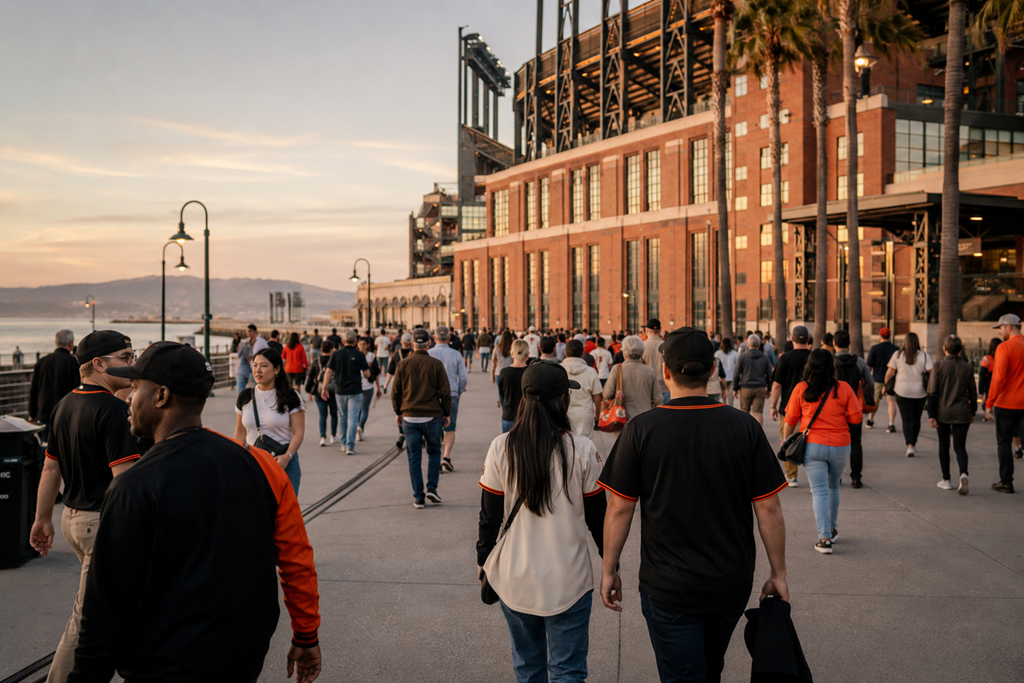
On All-Star Game day, the area around the stadium may get crowded well before the game begins. Fans arrive early, traffic patterns change, restaurants fill up, and security can take longer than expected. Even people who are used to attending MLB games may underestimate how different the All-Star atmosphere can feel.
A better approach is to treat the game as the center of a larger event day. Give yourself more room than you think you need. Plan to be near the stadium earlier than you would for a normal game. Decide ahead of time where you will eat, where you will meet your group, and how you will leave after the game.
The less you are trying to figure out in the final two hours before first pitch, the more enjoyable the trip becomes.
Staying Too Far Away Can Cost More Than It Saves
A hotel farther from the stadium may look like the smarter budget choice at first. Sometimes it is. But during a major event, distance can create hidden costs.
Those costs may include expensive rideshares, longer travel times, parking issues, missed events, or the frustration of needing to return to the hotel between activities. If you are traveling with children, older relatives, or a group with different energy levels, the distance can feel even more noticeable.
This does not mean you must stay next to the ballpark. It means you should compare the full cost of convenience, not just the nightly hotel rate.
A slightly more expensive room in a better location may reduce transportation stress. A cheaper hotel farther away may still make sense if it has reliable transit access or easy parking. The important thing is to judge lodging by how it supports the actual trip, not only by the room price.
Transportation Needs a Backup Plan
Transportation is one of the easiest parts of MLB All-Star Game travel to underestimate. Visitors often assume they can simply drive, park, or request a rideshare like they would on any other night.
That assumption can create problems.
Parking may be limited or expensive. Rideshare pickup zones may be crowded. Public transportation may be busy. Walking routes may take longer because of crowds, street closures, or postgame congestion. After the game, thousands of people may be trying to leave the same area at once.
The practical fix is simple: have a first-choice plan and a backup plan.
For example, you might plan to take public transportation to the ballpark but know where you would request a rideshare afterward if needed. Or you might drive but identify parking options before arriving in the city. Or you might stay within walking distance but still check the safest and most direct route back to your hotel.
A backup plan does not need to be complicated. It just keeps one transportation problem from affecting the whole night.
Do Not Assume Every Fan Event Will Fit Into One Trip
All-Star travel can come with more to do than most visitors can comfortably manage. Fan events, sightseeing, meals, stadium experiences, photos, shopping, and the game itself can quickly fill the schedule.
Trying to do everything can make the trip feel more like a race than a getaway.
This is especially true if you are traveling with people who care about different parts of the experience. One person may want to spend hours near the stadium. Another may want to explore the city. Someone else may care most about food, photos, or simply not feeling rushed.
The better approach is to choose the parts that matter most. Maybe the priority is the game and a relaxed dinner. Maybe it is arriving early for the full ballpark atmosphere. Maybe it is adding one local activity the day before and keeping game day simple.
A good All-Star trip does not need to include every possible event. It needs enough space for the parts you actually came to enjoy.
Restaurant and Food Plans Matter More Than People Expect
Food can become a surprisingly stressful part of major sports travel. Around the stadium, restaurants may be crowded, reservations may be limited, and casual walk-in plans may not work the way they do on a normal night.
Inside the ballpark, lines can also be longer, especially before the game and during popular breaks in the action.
This does not mean you need an elaborate dining plan. But it helps to decide whether food is part of the experience or just something you need to handle.
If you want a sit-down meal near the stadium, plan it early. If you are fine eating inside the ballpark, arrive with enough time. If you are traveling with kids or anyone who needs predictable meals, avoid waiting until everyone is hungry and surrounded by crowds.
A little food planning can make the entire day feel calmer.
Group Travel Needs Clear Meeting Points
MLB All-Star Game travel often involves families, friend groups, couples, or multi-generational trips. Group travel can be fun, but it also creates small coordination problems that feel bigger in crowded environments.
People move at different speeds. Some want merchandise. Some want photos. Some want food. Some need restrooms. Phone service may be slow in dense crowds. A vague “we’ll meet outside” plan can become frustrating quickly.
Set simple meeting points before the day gets busy. Choose one place outside the stadium and one place inside if your group separates. Make sure everyone knows the hotel name, transportation plan, and what to do if service is unreliable.
This is not about overplanning. It is about reducing confusion when the environment is busy.
The Trip Feels Better When You Leave Room for the City
The All-Star Game may be the reason for the trip, but the host city is still part of the experience. One mistake travelers make is packing the schedule so tightly around the game that they barely experience the destination at all.
That can lead to a strange kind of disappointment. The traveler technically attended the event, but the trip feels thin because everything happened in a rush: airport, hotel, stadium, hotel, airport.
Even one small city-based experience can make the trip feel more complete. That might be a local breakfast, a walk through a nearby neighborhood, a museum visit, a waterfront stop, or a relaxed morning before traveling home.
You do not need to turn the trip into a full destination guide. Just give yourself enough breathing room to remember where you went, not only what you attended.
Watch for the Planning Patterns That Create Stress
Most MLB All-Star Game travel mistakes come from the same few patterns.
One is assuming the event will function like a normal baseball game. Another is waiting too long to think about lodging, transportation, or meals. A third is building a schedule around best-case timing, where every ride is quick, every line is short, and everyone in the group stays energized all day.
There is also the mistake of spending heavily on the visible parts of the trip while underplanning the practical parts. Tickets, flights, and hotels get attention first, but the experience often depends on smaller decisions: when to arrive, where to eat, how to get back, and what not to overpack into the day.
These mistakes are understandable. Big event travel is exciting, and it is easy to focus on the headline moment. But the trip usually feels better when the less exciting details are handled early.
A Smarter Way to Plan MLB All-Star Game Travel
The best way to avoid planning mistakes during MLB All-Star Game travel is to think in terms of comfort, timing, and flexibility.
Choose lodging based on how it supports your event day. Build more time around the stadium than you think you need. Have a transportation backup. Keep meals realistic. Decide which experiences matter most instead of trying to do everything. Make sure your group has simple plans for meeting, separating, and reconnecting.
The All-Star Game is already a special event. Your planning does not need to make it bigger, busier, or more complicated. It only needs to protect the experience from the avoidable problems that make sports travel feel stressful.
When the basics are handled, you have more room to enjoy the atmosphere, the city, the ballpark, and the reason you planned the trip in the first place.
Download Our Free E-book!